
Tools and Techniques for Monitoring Your Progress in Learning New Skills Independently

The Magic of Self-Directed Learning
Embarking on a journey of self-directed learning is like standing at the edge of a vast ocean, filled with possibilities that can both excite and overwhelm. With an infinite array of skills and knowledge waiting to be uncovered, tracking your progress becomes crucial. Understanding your current standing not only fuels your motivation to push beyond your limits but also helps refine your learning methods for better outcomes.
To effectively monitor your self-directed learning, it is important to integrate various tools and techniques into your routine. Below, we explore some key strategies that can significantly enhance your self-assessment and overall learning experience:
- Journaling: Keeping a daily or weekly journal of your learning journey allows you to document experiences, insights, and challenges. Imagine writing about a breakthrough moment when you grasp a challenging concept or reflecting on the struggles you faced while mastering a skill. Such journaling not only serves as a valuable resource for self-reflection but also provides a tangible record of your growth.
- Milestone Tracking: Setting clear, measurable goals is pivotal. Instead of vague aims like “learn to code,” redefine objectives to be more specific, such as “complete a two-week online Python course.” Celebrating milestones when you achieve these goals boosts your confidence and makes the learning process rewarding.
- Online Platforms: Leverage productivity tools like Trello or Notion for task management and visual progress tracking. These platforms can help you organize your learning path by creating boards for different skills, where each card represents a topic or task, making your journey more visually engaging and manageable.
Technology can also be a powerful ally in monitoring your skill development. Consider the following tools:
- Apps: There are numerous productivity and skill-tracking applications tailored specifically for various learning objectives. Apps like Habitica not only track your learning progress but gamify the experience, making it more immersive and fun.
- Feedback: Actively seek feedback from peers, mentors, or through online forums. Constructive criticism provides different perspectives on your growth, helping you identify areas that need improvement or further exploration.
- Self-Assessments: Engage in quizzes or tests related to your learning topics to evaluate your understanding. Websites such as Khan Academy offer practice tests that guide you in identifying strengths and weaknesses, ultimately informing your educational approach.
By utilizing these tools and techniques, you can create a robust framework for independently monitoring your progress as you dive into learning new skills. Armed with the right strategies, you are not just learning; you are building a journey of personal growth and intellectual expansion. The adventure of self-directed learning awaits you, bursting with opportunities for knowledge and discovery. So take the plunge and explore how you can effectively enhance your learning experience today!
DISCOVER MORE: Click here to delve into visualization techniques
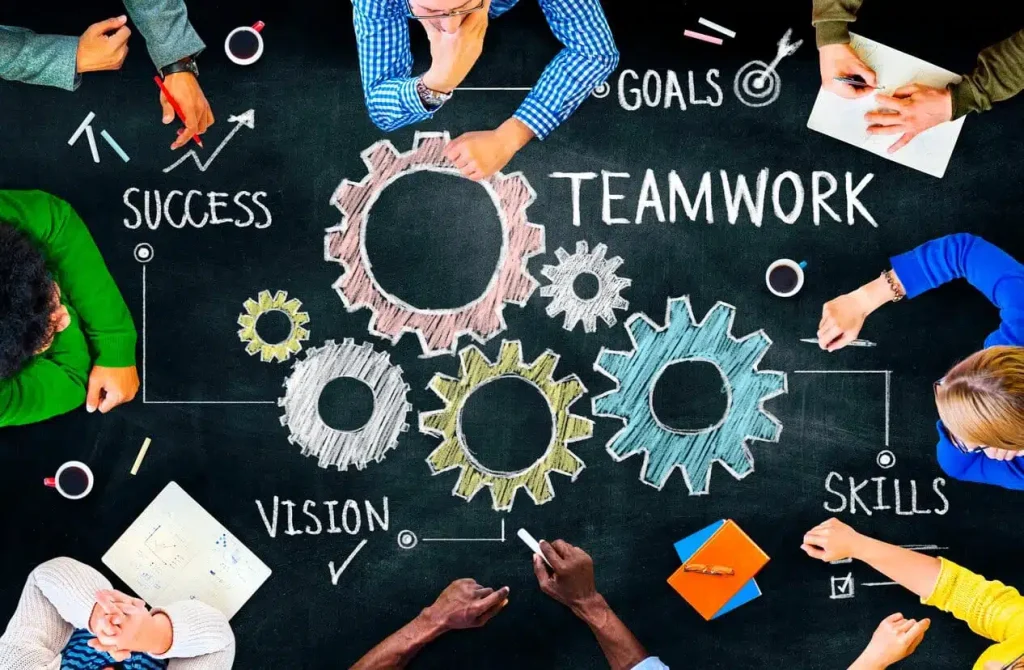
Essential Strategies for Self-Monitoring Your Learning Journey
As you embark on the exciting adventure of self-directed learning, it’s important to have effective strategies in place to monitor your progress. This not only keeps you accountable but also allows you to adapt your methods for optimal learning. By employing a variety of tools and techniques, you can create a robust system that plays a crucial role in guiding your educational path.
One of the first steps to effective progress monitoring is to establish a consistent routine. Dedicate specific times during your week to focus exclusively on your learning objectives. By doing so, you cultivate a habit that enables you to track your commitment and the time invested in acquiring new skills. Consider the following approaches:
- Goal Setting: Identify long-term and short-term goals. For instance, if you’re learning a new language, a long-term goal might be to have a 10-minute conversation with a native speaker, while a short-term goal could be to learn 50 new vocabulary words in a month. Keeping your goals SMART—Specific, Measurable, Achievable, Relevant, and Time-bound—ensures they are attainable and provides clear benchmarks for success.
- Progress Logs: Create a visual representation of your progress over time using charts or graphs. Platforms like Excel can help you create line graphs that show how much time you spend on different skills or how your knowledge grows over days, weeks, and months. This tangible visualization keeps motivation high and reinforces the idea that improvement is happening.
- Skill Assessment Groups: Join study groups or communities relevant to your learning objectives. Platforms like Meetup or Discord offer opportunities to connect with individuals who share similar goals. Group activities, such as skill demonstrations or peer reviews, can enrich your understanding and provide various perspectives that enhance learning outcomes.
In addition to these foundational strategies, leveraging technology plays a pivotal role in your self-assessment journey:
- Online Courses: Engage with structured courses on websites like Coursera, Udemy, or edX. These platforms often include quizzes and assignments that give you immediate feedback on your understanding. Moreover, completing courses grants you certificates that serve as milestones in your learning journey.
- Learning Management Systems: Utilize tools like Google Classroom or Moodle to keep your learning materials organized. These systems often come with built-in tracking features, allowing you to monitor your progress towards completing specific tasks or modules.
- Interactive Tools: Explore interactive learning tools such as Quizlet or Duolingo for language learning. These apps incorporate gamification elements, making learning feel less like a chore and more like an engaging challenge. Tracking results within these platforms helps you visualize your progress effectively.
By implementing these strategies, you foster a supportive learning environment that not only keeps you motivated but also helps you stay aligned with your objectives. Investigating and integrating various tools allows you to tailor your approach, ensuring you’re not just learning, but evolving in your quest for knowledge.
| Monitoring Tools | Advantages |
|---|---|
| Digital Journals | Track progress over time and identify growth patterns. |
| Skill Assessments | Measure proficiency levels and pinpoint areas needing improvement. |
| Goal Setting Apps | Encourage accountability by setting milestones. |
| Time Tracking Software | Optimize learning schedules and track time spent on each skill. |
| Online Communities | Gain insights and support from fellow learners. |
With a variety of monitoring tools available today, learners can effectively streamline their independent study journeys. Digital journals are especially beneficial, allowing individuals to document their progress and highlight patterns that may emerge, showcasing how far they’ve come. Utilizing skill assessments can provide insightful feedback, offering a concrete measure of skills to focus on. By incorporating goal-setting apps, one can enhance personal accountability and maintain motivation towards achieving meaningful milestones.Moreover, time tracking software serves a dual purpose of increasing productivity and ensuring that learners maximize their study time efficiently. Engaging with online communities not only provides emotional support but also taps into a vast reservoir of collective knowledge, which proves invaluable. Each of these techniques plays a crucial role in enhancing the overall learning experience and ensuring continuous progress. Delving deeper into these methods can unveil powerful strategies for anyone dedicated to mastering new skills independently.
DON’T MISS: Click here to unlock the secrets of learning on YouTube
Effective Reflection Practices to Enhance Learning
In addition to structured tracking and technological tools, engaging in reflection practices can significantly elevate your capacity to monitor and assess your learning progress. Reflection is not merely about looking back at what has been learned; it’s an active process that encourages critical thinking and fosters deeper understanding. Here are some effective methods to incorporate reflective practices into your self-learning journey:
- Journaling: Keeping a learning journal allows you to document your thoughts, feelings, and experiences throughout your learning process. Set aside time each week to write about what you have learned, the challenges you faced, and how you plan to overcome them. This practice fosters accountability, articulates your learning experiences, and reveals patterns in your growth that you may not have previously recognized.
- Monthly Reviews: Dedicate time each month to evaluate your progress against your set goals. This involves reviewing your progress logs, course completions, or journal entries. By systematically examining your achievements and areas that need improvement, you gain insights into your learning strategies and can adjust them accordingly to enhance your future performance.
- Self-Assessment Quizzes: Create or utilize online quizzes related to the skills you are learning. Websites such as Kahoot or Google Forms can help you design quizzes that test your knowledge. The immediate feedback from these assessments enables you to recognize gaps in your understanding and adjust your focus areas, ensuring efficient learning.
Building a Community for Feedback and Accountability
Connecting with others is crucial in the learning process, as it creates opportunities for feedback and accountability. A community not only supports you but also enriches your learning experience through shared insights and diverse perspectives:
- Mentorship: Cultivating a relationship with a mentor or coach who has expertise in your area of interest can provide valuable feedback on your progress. A mentor can guide you, offer resources, and share their own learning experiences, setting a framework for your own growth.
- Online Forums and Discussion Groups: Engage with platforms dedicated to your learning topic, such as Reddit, Stack Exchange, or dedicated Facebook groups. These forums can provide feedback on your questions or projects from individuals with similar interests, creating a supportive environment where you can learn from each other.
- Accountability Partners: Pair up with a friend or colleague who is also pursuing new skills. Regular check-ins can keep you both accountable for achieving your goals, share insights, and motivate each other to stay on track. This camaraderie can enhance your learning experience and help prevent feelings of isolation.
Leveraging Analytics for Tailored Learning
Another effective technique for monitoring your learning progress is leveraging analytics available through various tools and platforms. Understanding your performance patterns can guide you in adjusting your approach:
- Learning Analytics: Platforms like LinkedIn Learning and Skillshare offer analytics dashboards that display your learning paths and highlight strengths and weaknesses. Reviewing these analytics helps you focus on skills that need further development, ensuring a more personalized learning experience.
- Used Based Features: If you are using tools like Trello or Notion to organize your learning content, take advantage of their built-in analytics features. For instance, using task completion statistics can reveal your productivity patterns, enabling you to identify what types of tasks you consistently succeed in or struggle with.
By incorporating these reflective practices, community interactions, and analytics into your independent learning strategy, you’ll not only monitor your progress more effectively but also become a more adaptive and resilient learner. Each of these tools contributes to a holistic approach to self-directed education, ultimately optimizing your experience as you endeavor to master new skills.
DISCOVER MORE: Click here to enhance your learning space
Conclusion: Embracing a Holistic Approach to Self-Learning
In an age where continuous learning is essential, mastering the art of monitoring your progress in acquiring new skills can set you on a path to success. The integration of reflection practices, engagement with communities, and the utilization of analytics create a robust framework for assessing your journey. By establishing a consistent routine of journaling and conducting monthly reviews, you foster self-awareness that cultivates accountability and fuels motivation. Connecting with mentors and peers not only enriches your learning experience but provides a supportive backdrop, converting potential isolation into opportunities for collaboration and innovation.
Moreover, leveraging analytics equips you with vital insights into your learning patterns, allowing you to adapt your strategies dynamically. Whether using online learning platforms with built-in analytics or tools like Trello and Notion, data-driven decision-making can personalize and enhance your educational endeavors. This multifaceted approach ensures you remain not only focused but also agile, ready to pivot when necessary to optimize skill acquisition.
Ultimately, the key to effective self-learning lies in recognizing that every learner’s path is unique. As you combine these tools and techniques, remain open to continual adaptation and exploration. By doing so, you not only monitor your progress effectively but also build the resilience and confidence necessary to conquer new challenges. Embrace this journey with enthusiasm and curiosity, and watch your skills flourish.