Incorporating Gamification Techniques to Boost Self-Motivation in Skill Learning
Understanding the Impact of Gamification on Learning
In recent years, the educational landscape has been transformed by innovative methodologies that appeal to the modern learner’s sensibilities. One such methodology is gamification, which harnesses the inherent elements of game design and incorporates them into various learning environments. Its effectiveness lies in its ability to engage learners in ways that traditional approaches could not, leading to improved motivation and a deeper understanding of complex subjects.
So, what makes gamification stand out in the world of education and skill acquisition? Let’s take a closer look at its key features and the distinct advantages they offer.
- Point Systems: In gamification, point systems operate as a powerful motivational tool. Learners earn points not just for their completion of tasks but also for their participation and creativity in learning. For example, platforms like Duolingo use this system to encourage language learners to practice regularly and enhance their skills through daily challenges.
- Badges and Achievements: This visual representation of progress is vital in keeping motivation levels high. When learners unlock badges after completing specific milestones, it provides a sense of achievement and encourages them to pursue further goals. Educational platforms such as Khan Academy employ badges to recognize students’ accomplishments, which substantiates their effort and encourages ongoing participation.
- Leaderboards: Competition, when positively framed, can strengthen community bonds among learners. By featuring leaderboards, platforms like Codecademy allow users to see how they stack up against peers, fostering an environment where learners feel inspired to improve their skills and engage more with the content.
Research underscores that gamification not only enhances enjoyment but also cultivates resilience among learners—helping them to navigate obstacles and maintain focus on their objectives. This transformative effect echoes across various domains, from education to professional development. For instance, companies are increasingly integrating gamified training programs that simulate real-world scenarios, such as project management games, which can significantly enhance workers’ engagement and performance retention.
As we explore the nuanced dimensions of gamification further, it’s critical to recognize how these techniques can foster self-motivation and spark genuine interest in learning. By weaving fun into the fabric of education, and providing practical examples of gamified learning, we can catalyze a fresh enthusiasm for skill acquisition. Prepare to uncover cutting-edge ways that gamification can invigorate your educational journey!
DIVE DEEPER: Click here to discover the power of self-discipline
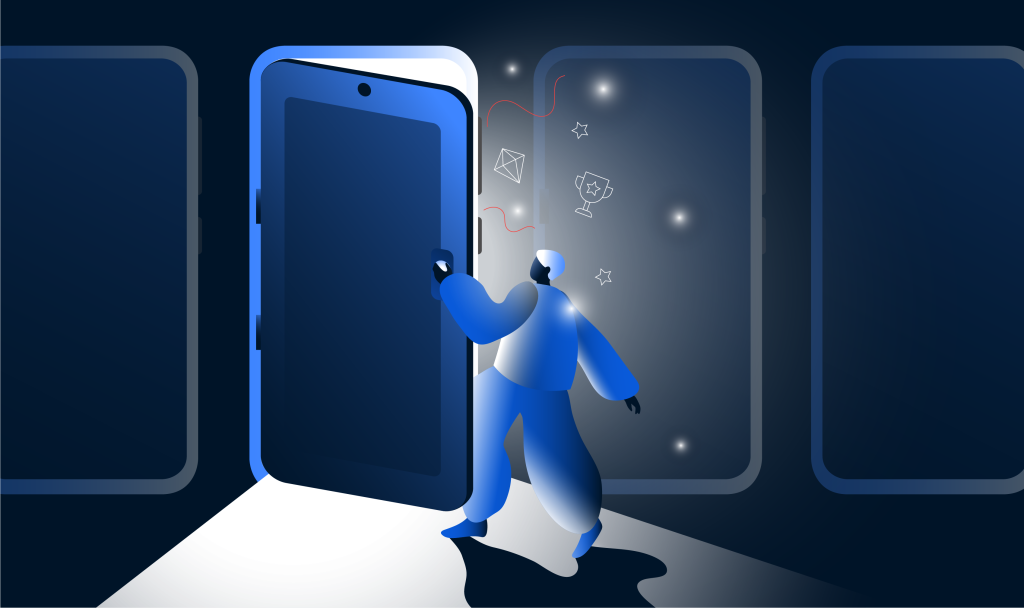
Unlocking Self-Motivation Through Game Elements
Gamification transcends the mere infusion of game-like elements into learning environments; it revolutionizes how we perceive and engage with the process of skill acquisition. At its core, gamification makes learning feel less like a chore and more like an exciting journey filled with achievements and challenges. To effectively harness this transformative power, it is essential to understand how specific gamification techniques can be employed to foster self-motivation.
One of the standout features of gamification is its ability to create a sense of purpose and connection among learners. By integrating techniques such as personalized goals, feedback loops, and social interactions, educators and organizations can significantly enhance the motivation levels of individuals. Below are several impactful strategies that can be implemented:
- Personalized Learning Paths: The essence of personalized learning lies in its ability to cater to individual preferences and pace. Platforms such as Coursera and edX allow users to set their learning objectives, tailoring courses to align with their personal aspirations. This autonomy cultivates a sense of ownership, making learners inherently more motivated to pursue their goals.
- Instant Feedback Mechanisms: Immediate feedback is crucial to keep learners engaged and aware of their progress. Incorporating features that provide real-time responses, such as quizzes with instant results, can help sustain motivation. Applications like Quizlet leverage this technique, keeping users informed and energized as they advance through their study materials.
- Collaborative Challenges: Group activities that promote teamwork can boost motivation significantly. Collaborative projects or challenges enable learners to harness each other’s strengths, encouraging communication and camaraderie. Platforms like Slack or Microsoft Teams enhance this aspect by allowing users to collaborate and celebrate collective achievements.
Beyond these specific techniques, gamification inherently harnesses psychological principles that activate motivation. Concepts such as the Octalysis Framework, developed by gamification expert Yu-kai Chou, categorize the different drivers of motivation, like achievement, empowerment, and social influence. By understanding these fundamental motivators, designers can effectively craft learning experiences that resonate with diverse audiences, ultimately enabling all learners to propel their skills further.
Furthermore, the use of narratives in learning can greatly enhance the immersive experience. Storytelling within a gamified context not only captivates learners but also aids in retention and understanding. When learners can map their journeys through characters or quests, they are more likely to remain engaged and emotionally invested in their tasks.
In light of these insights, it’s clear that incorporating gamification techniques into skill learning offers a revolutionary pathway to boost self-motivation and engagement. As learners begin to view their educational journeys as interactive adventures rather than monotonous tasks, we can anticipate a notable shift in their approach to skill acquisition. The stage is set to explore how to effectively implement these gamified strategies in various learning environments.
| Advantage | Description |
|---|---|
| Increased Engagement | Gamification techniques enhance learner engagement by integrating game-like elements into the learning experience, making it more interactive and enjoyable. |
| Immediate Feedback | Delivering instant feedback through scores and progress bars allows learners to track their improvements in real time, thus fostering self-motivation and goal-setting. |
| Goal Achievement | Setting clear objectives within gamified environments encourages learners to strive towards completing levels or challenges, enhancing their personal achievement. |
| Community Interaction | Gamification encourages collaboration and interaction among learners, creating a sense of community that drives motivation and support. |
In the realm of skill learning, adopting gamification techniques provides unique avenues for enhancing self-motivation. These techniques are not merely about making learning fun but also about transforming the educational landscape into a more dynamic and appealing environment. As the statistics suggest, learners report higher levels of satisfaction and retention rates when their educational pathways are bolstered by gamified elements. For example, incorporating leaderboards can instill a healthy sense of competition, while personalized avatars can enhance the learner’s connection to the material, driving their motivation further. Ultimately, by harnessing the potential of gamification, educators can cultivate a vibrant learning atmosphere that empowers individuals to take charge of their personal development with enthusiasm and vigor.
DIVE DEEPER: Click here to discover the power of personal goal setting
Establishing a Reward System
One of the most compelling aspects of gamification is its inherent capability to tap into the human desire for rewards. By integrating reward systems into skill learning, educators and organizations can create an engaging environment that fosters self-motivation. Rewards can range from tangible prizes, such as gift cards and certificates, to more intrinsic benefits like points, badges, or levels that learners achieve. These elements can cultivate a competitive spirit and drive learners to persist in their endeavors.
Research supports the efficacy of reward systems, as psychological studies indicate that the anticipation of rewards can enhance motivation and improve performance. Take the example of Duolingo, the well-known language-learning platform that employs a sophisticated reward system featuring streak counts, badges, and leaderboards. By providing users with immediate visual acknowledgment of their efforts, Duolingo encourages learners to maintain consistent engagement and strive toward mastery.
Integrating Challenges and Competition
The thrill of competition can serve as a powerful motivator in educational contexts. Gamifying learning through challenges allows learners to compete against themselves or others, pushing the boundaries of their capabilities. This can manifest as time-limited quizzes, skill-building challenges, or projects that culminate in friendly contests. Programs like Kahoot! exemplify this technique, allowing participants to join live trivia games that not only reinforce knowledge but also elicit excitement and engagement.
Moreover, the data collected from these competitions can provide valuable insights into learners’ strengths and weaknesses. By analyzing performance analytics, participants can identify areas for improvement while playing to their strengths—a dual advantage that enhances motivation and accelerates skill acquisition.
Utilizing Progress Tracking
An essential component of self-motivation is the ability to visualize progress. When learners can monitor their improvements in real time, it generates a sense of accomplishment that fuels their persistence. Incorporating dashboards or visual progress bars into learning platforms can enhance this experience by presenting users with clear indicators of their advancement. Tools like Trello can also support progress tracking, as learners can create boards that reflect the stages of their skill development journey, celebrating small victories along the way.
Furthermore, research in sports psychology shows that tracking progress not only boosts self-efficacy but can also lead to greater performance outcomes. This principle is equally applicable in academic settings, making progress tracking a vital element in the quest for self-motivation in skill learning.
Creating an Immersive Experience
The incorporation of immersive experiences through virtual and augmented reality technologies can also significantly amplify learner motivation. By fully engaging learners in a simulated environment, these technologies break down traditional learning barriers and foster an interactive atmosphere where skills can be practiced in real-world scenarios. Platforms such as Oculus and Google Expeditions are already harnessing this potential, transporting learners to diverse settings where they can hone their skills hands-on, fostering an exhilarating sense of adventure and creativity.
As these gamification techniques continue to evolve, it becomes crucial for educators and learning strategists to stay attuned to emerging trends and tools. The landscape of skill learning is rapidly transforming, and the ability to engage learners through gamified approaches can set the foundation for a new era of educational success. Embracing and implementing these strategies not only enhances self-motivation but also paves the way for a more enriched learning experience. As the journey unfolds, learners can expect to discover not only new skills but newfound enthusiasm for the process itself.
DIVE DEEPER: Click here to enhance your motivation strategies
Conclusion
Incorporating gamification techniques into skill learning presents a transformative approach to fostering self-motivation among learners. By establishing reward systems, integrating challenges and competition, utilizing progress tracking, and creating immersive experiences, educators and organizations can enhance engagement and motivation in unprecedented ways. These strategies not only evoke the natural desire for achievement but also cater to diverse learning preferences, enabling individuals to pursue mastery in a more enjoyable and rewarding manner.
The evidence supporting the effectiveness of gamification is compelling, as seen in successful platforms like Duolingo and Kahoot! These tools create environments where learning becomes a delightful journey, urging participants to embrace challenges while celebrating incremental successes. Additionally, the rapid advancements in technology open doors for more interactive and immersive learning experiences, further solidifying the significance of gamification in education.
As we look to the future, it is vital for educators and learning strategists to remain vigilant in incorporating innovative gamification elements that resonate with today’s learners. By continuously adapting to new trends and technology, we can ensure that skills acquisition remains not only effective but also exhilarating. Ultimately, the quest for self-motivation in skill learning can lead to a continuous cycle of growth, enthusiasm, and achievement, paving the way for empowered individuals ready to tackle challenges and embrace lifelong learning.