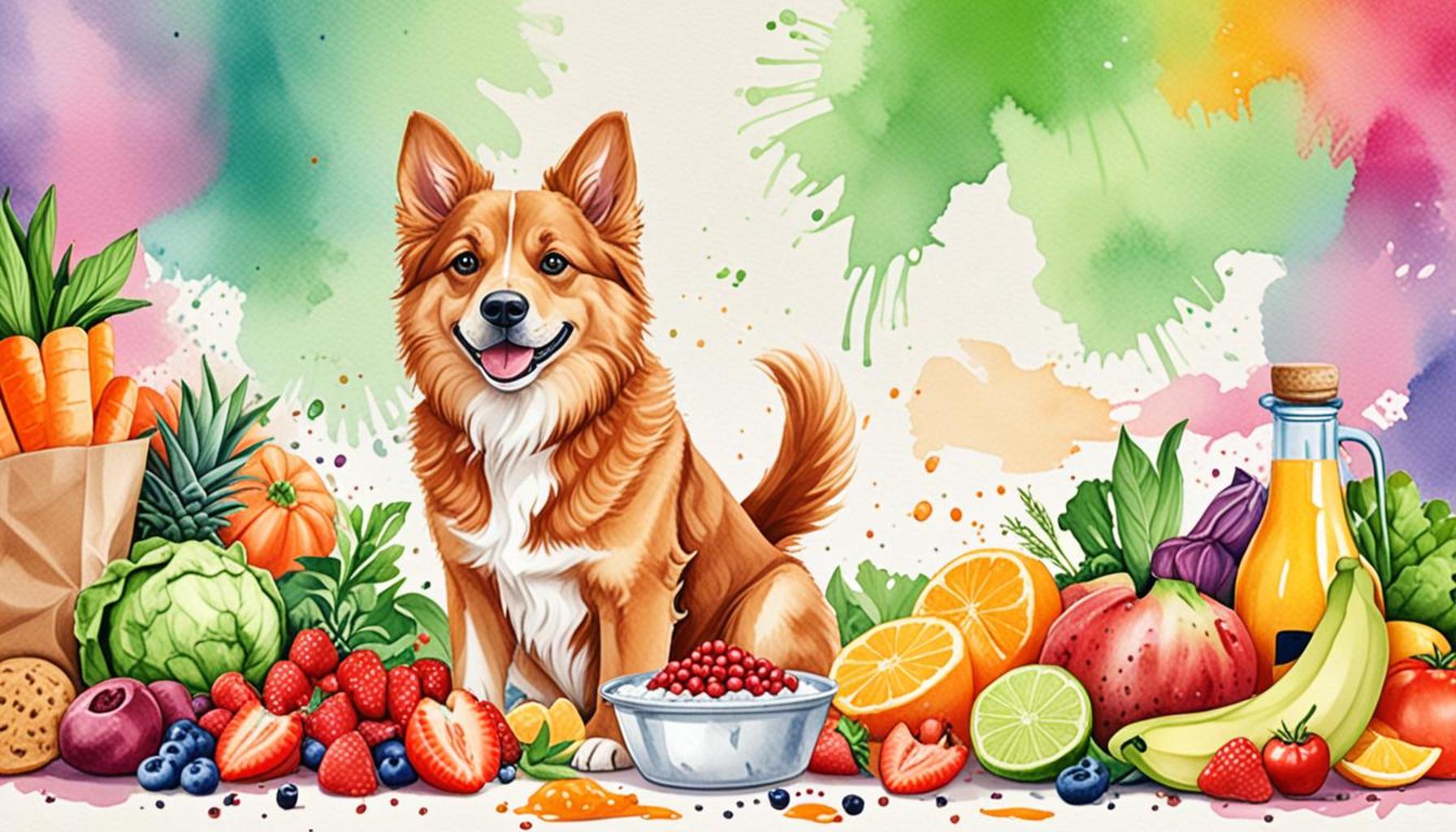
The Importance of Balanced Nutrition for Long-Term Pet Health

A pet’s health goes far beyond regular vet visits and exercise; it greatly depends on the food they consume. Balanced nutrition is crucial not only for maintaining an ideal weight but also for preventing diseases and ensuring vitality in the long run. Understanding the components of a nutritious diet can significantly impact your pet’s quality of life.
This topic is increasingly relevant as pet owners become more aware of how diet influences overall wellness. A well-rounded diet can lead to better energy levels, a shiny coat, and a stronger immune system. Instead of guessing which foods are best, knowing the essentials can empower you to make informed choices.
In this article, we will explore the top 5 factors that make up a balanced diet for pets. Each element contributes to them not only living longer but also thriving. Read on to discover how you can enhance your furry friend’s health through optimal nutrition!
Top 5: The Importance of Balanced Nutrition for the Long-Term Health of Pets
Your pet’s health is directly influenced by the nutrition they receive. Yet the resources you choose to nourish your furry friend play a defining role not just in their everyday moods and behaviors but also in their long-term well-being. A balanced diet contributes to their overall well-being and longevity. This article delves into the top 5 reasons why maintaining a proper diet for pets is crucial for their long-term health. Equip yourself with these insights, and you’ll be better prepared to take proactive steps toward enhancing their lives.
5. Prevention of Obesity
Obesity is becoming a major concern among pets worldwide, paralleling trends seen in human populations. Studies show that pets with excess weight face increased risks for myriad health issues, including diabetes, arthritis, and even certain forms of cancer. Hence, it is essential to manage their weight effectively.

A balanced diet helps in preventing obesity by regulating their caloric intake. Pet owners often make the mistake of equating love with food, leading to overfeeding. However, when pets consume more calories than they expend, they gain weight, which can lead to dire health consequences.
Consider these tips to maintain a healthy weight for your pet:
- Monitor portion sizes according to recommended feeding guidelines. The one-size-fits-all approach doesn’t work as energy needs vary between breeds, ages, and activity levels.
- Choose high-quality food with appropriate caloric content. Foods rich in fillers can lead to rapid weight gain without providing necessary nutrients.
- Incorporate regular exercise into their routine. Whether it’s a walk, playtime, or structured activity, movement ensures they burn off excess calories and remain agile.
By strategically preventing obesity, you not only improve their present health but also set your pet on the path to a healthier, longer life.
4. Enhanced Immune System
A balanced diet rich in essential nutrients strengthens your pet’s immune system. Immune health is foundational to their ability to fend off diseases, just as it is for humans. Without the right vitamins, minerals, and antioxidants, pets can become increasingly vulnerable to illnesses.
Introduce these critical nutrients into their diet to bolster their immunity:
- Vitamins A, C, and E: These act as antioxidants, combating free radicals and promoting cellular health.
- Omega-3 and Omega-6 fatty acids: Sourcing these from fish oils or specific plant oils supports both inflammatory responses and cell membrane integrity.
- Zinc and Selenium: Both minerals play instrumental roles in bolstering the body’s natural defense mechanisms.
By prioritizing these nutrients in your pet’s daily diet, you not only boost their immunity but also inherently support their overall health and vitality.
3. Healthy Skin and Coat
The condition of your pet’s skin and coat is often a reflection of their overall health. When animals have a glossy coat and itch-free skin, it’s typically a sign of balanced nutrition. Conversely, poor nutrition can manifest externally through dull fur, dryness, or allergic reactions.
For pets to maintain a healthy skin and coat, integrate the following:
- Protein sources such as chicken, fish, and eggs. Proteins are the building blocks of cell repair and growth, vital for skin and hair health.
- Fats from fish oil or flaxseed to improve skin hydration. These fats help keep the skin supple and reduce inflammation.
- Vitamins and minerals that promote skin repair and growth, ensuring both resilience and radiance.
Investing in their diet leads to noticeable improvements in their appearance and overall comfort. Remember, their outer appearance is often a testament to internal wellness.
2. Better Digestive Health
A well-planned diet doesn’t stop at external health; it is crucial for optimal digestive health too. Proper nutrition ensures that pets absorb essential nutrients while minimizing digestive grievances. Poorly balanced diets can result in gastric issues, leading to discomfort, irregular bowel movements, and even appetite loss.
For enhanced digestive health, take note of the following:
- High-fiber content promotes healthy gastrointestinal function by aiding regular bowel movements and cleansing the digestive tract.
- Probiotics support gut health, enhancing digestion and ensuring that good bacteria thrive.
- Avoid cheap fillers that could lead to digestive upset. Opt for premium brands known for integrity in ingredient sourcing.
Maintaining a proper diet prevents digestive woes, ensuring your furry friend remains happier, healthier, and more active in the long run.
1. Longevity and Quality of Life
Ultimately, the most significant benefit of a balanced diet is the enhancement of your pet’s longevity and quality of life. Just as our diets affect our lifespan and quality of life, our pets’ nutrition profoundly impacts every facet of their health.
Nutrition influences their energy levels, mood, recovery times from illnesses, and their susceptibility to chronic diseases. A well-nourished pet is more likely to lead an active, fulfilling life, and studies conclusively show that pets fed nutritionally balanced diets generally live longer than those who are not.
A comprehensive diet translates into:
- Increased energy and playfulness, making for joyous interactions and lively companionship.
- Better recovery from illness, allowing pets to bounce back quickly and resume their routines.
- Stronger immunity and resistance to diseases, ensuring reduced vet visits and healthcare costs.
Focusing on balanced nutrition is not just about feeding your pet. It’s about securing their future. Making informed dietary choices is one of the best ways to ensure more years by your side, basking in great health and happiness.
In conclusion, paying close attention to your pet’s nutritional needs is crucial. From preventing obesity to enhancing their quality of life, a balanced diet holds the key to ensuring they not only survive but thrive in the years to come. By committing to their dietary requirements, you are investing in the invaluable moments and companionship they provide.
| Category | Benefits and Characteristics |
|---|---|
| Nutritional Balance | A balanced diet ensures that pets receive the necessary nutrients, vitamins, and minerals, minimizing the risk of chronic diseases. |
| Weight Management | Maintaining an appropriate weight through proper nutrition is crucial in preventing obesity-related health issues, such as diabetes and joint problems. |
| Digestive Health | A diet rich in fiber promotes healthy digestion and can mitigate gastrointestinal issues that pets commonly face. |
| Longevity and Quality of Life | Pets that receive adequate nutrition tend to live longer, healthier lives, allowing for an improved quality of life as they age. |
Exploring the impact of a balanced diet on the longevity of pets reveals that nutritional adequacy not only covers basic health needs but also promotes an enriched life experience. For instance, pets receiving essential fatty acids demonstrate enhanced coat health and skin integrity, showcasing the hidden benefits of dietary fat in animal diets. The integration of antioxidants found in various fruits and vegetables can also boost the immune system, underscoring the relevance of including diverse food groups in pet nutrition.Additionally, many pet owners may be unaware of the importance of hydration in their pets’ diets. Providing fresh, clean water and incorporating moisture-rich foods can aid in preventing urinary tract issues, particularly in cats. Such factors emphasize the need for a holistic approach to pet nutrition, addressing all components that contribute to overall health and well-being.Furthermore, understanding the specific dietary requirements of different breeds and life stages is paramount. For example, puppies and kittens require higher caloric intake and nutrient density for their growth phases, while senior pets often benefit from diets that aid in joint health and cognitive function. Being attuned to these dietary changes can greatly affect the transition into various life stages for pets, ensuring they thrive under care.Finally, educational initiatives aimed at pet owners about the importance of balanced nutrition could stimulate greater awareness and proactive measures towards the health of their animals. By enriching their knowledge, pet owners are more likely to prioritize quality foods, possibly leading to decreased veterinary costs in the long run through preventive care. This not only enhances the relationship between pets and their owners but also fosters a dedicated community committed to the well-being of animals.
Frequently Asked Questions About Balanced Nutrition for Pets
What constitutes a balanced diet for pets?
A balanced diet for pets includes the right proportions of proteins, carbohydrates, fats, vitamins, and minerals tailored to the specific needs of each animal. It’s important to consider the pet’s species, age, size, and health to provide adequate nutrition. Consulting with a veterinarian can ensure your pet’s diet meets all essential requirements.
How can a balanced diet impact my pet’s long-term health?
A balanced diet is crucial for maintaining optimal health in pets. Proper nutrition can prevent various health issues such as obesity, diabetes, and joint problems. It also supports a strong immune system, enhances coat quality, and promotes longevity, ensuring your pet lives a happy and vibrant life.
Are commercial pet foods sufficient for a balanced diet?
Many commercial pet foods are formulated to meet specific nutritional standards, but not all are created equal. It’s essential to choose a high-quality product that suits your pet’s unique needs. Be vigilant about reading the labels and researching brands. Some pets may require supplements or a specialized diet, so consulting a veterinarian is advisable.
Can I prepare homemade meals for my pet?
Yes, making homemade meals for your pet is an option. However, it requires careful planning to ensure that all nutritional needs are adequately met. A common mistake is failing to provide a balanced mix of nutrients. Working with a veterinary nutritionist can help design a well-rounded homemade diet.
How often should I evaluate my pet’s dietary needs?
Your pet’s dietary needs can change over time due to factors like age, weight, and health conditions. Regular evaluations are necessary, and it is recommended to discuss your pet’s diet with a veterinarian at least once a year, or more frequently if health issues arise.
Conclusion: The Key Role of Balanced Nutrition in Pet Health
In today’s world, where pets have become integral members of our families, ensuring their health and well-being is of utmost importance. The journey through this topic has highlighted several crucial aspects of providing a balanced diet for pets, emphasizing the profound impact it has on their long-term health.
Main Takeaways
Firstly, a balanced diet tailored to the specific nutritional needs of your pet is essential for maintaining their overall health. Proper nutrition can prevent numerous health issues such as obesity, diabetes, and heart disease, which are increasingly common among pets today.
Secondly, the significance of understanding the dietary requirements for different breeds and life stages was underscored. Puppies and kittens, for instance, require different nutrients compared to adult or senior pets. Customized feeding plans can significantly enhance their quality of life and longevity.
Moreover, incorporating the right mix of proteins, carbohydrates, fats, vitamins, and minerals is fundamental to supporting your pet’s immune system, energy levels, and overall vitality. The article further discussed how neglecting this can lead to nutrient deficiencies that may affect pet behavior, leading to more significant health issues down the road.
In conclusion, the importance of balanced nutrition for pets transcends mere dietary choices. It is about investing in their long-term health and happiness. As more research becomes available, pet owners are encouraged to stay informed and consult with veterinarians to craft diet plans tailored for their furry companions. Ensuring a nutritious diet is not a luxury but a responsibility that guarantees pets live fuller, healthier lives, thus enriching the bond with their human counterparts.
As you close this chapter on understanding pet nutrition, consider this a stepping stone to a deeper exploration of ways to enhance the well-being of your beloved companions.