Environmental Enrichment Enhancing Pet Well-Being and Happiness

Every pet owner wants to see their furry friends thrive, but the question remains: how can we ensure their happiness and well-being? One critical yet often overlooked aspect is environmental enrichment, which plays a vital role in enhancing the physical and mental health of pets. By providing stimulating surroundings, we not only promote healthier behaviors but also strengthen the bond with our animal companions.
Understanding the significance of environmental enrichment involves recognizing how pets interact with their environment. Consider the following factors:
- Cognitive stimulation: Activities that challenge pets mentally can reduce boredom and anxiety.
- Physical exercise: Enrichment often encourages active play, promoting a healthy lifestyle.
- Behavioral improvement: Engaged pets are less likely to exhibit destructive behaviors.
In this article, we will explore the Top 5 methods of environmental enrichment that can significantly benefit the well-being of your beloved pets. As we delve into each technique, you’ll discover practical insights and ideas that can be easily implemented in any home. Get ready to transform your pet’s living experience and witness the positive impact on their overall happiness.
Top 5: The Importance of Environmental Enrichment for the Well-Being of Pets
In today’s fast-paced world, pets are often left alone at home while their owners attend to their daily routines. This isolation can lead to numerous issues, highlighting the necessity of environmental enrichment. The concept transcends mere survival, aiming to provide pets with mental, physical, and emotional stimulation. As such, understanding the importance of environmental enrichment is crucial for every pet owner committed to enhancing the well-being of their animal friends. Let’s delve into the top five facets of environmental enrichment, revealing their significance in bolstering the quality of life for pets.
5. Reduction of Behavioral Problems
A primary advantage of environmental enrichment is the reduction of behavioral problems in pets. Not unlike humans, animals can experience boredom, frustration, and stress when confined to a monotonous setting. The lack of stimulation manifests through undesirable behaviors. Consider a dog that incessantly chews on shoes or furniture – this is often a sign of unmet needs for mental and physical engagement.
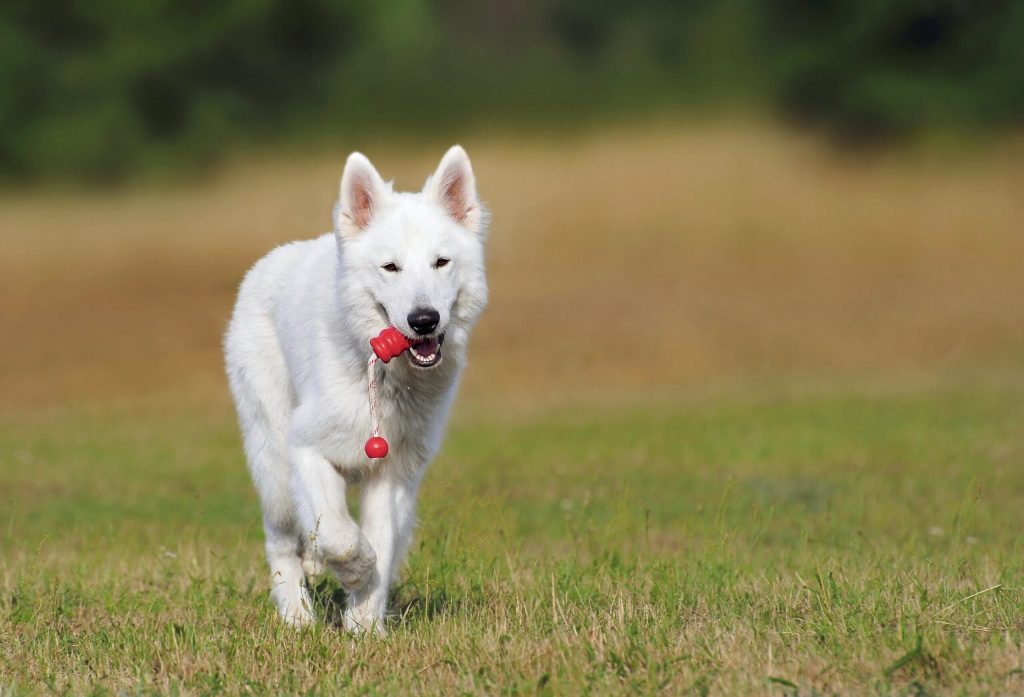
The key lies in preventive measures through enrichment. Offering a variety of toys that cater to their natural instincts—such as chewing, fetching, or problem-solving—can greatly mitigate these issues. For cats, scratching posts, interactive toys, and spaces to climb and explore can divert unwanted activities like scratching furniture or excessive vocalizations. Even small pets such as rabbits and hamsters benefit from mazes, tunnels, and chewable items tailored to their needs.
4. Physical Exercise
Pets’ need for physical exercise is paramount—not only for maintaining a healthy weight but also for overall well-being. Sedentary lifestyles can lead to health complications such as obesity, diabetes, and heart disease, mirroring the consequences seen in humans. Incorporating exercise through environmental enrichment ensures pets remain active in both body and mind.
For dogs, variety is the spice of life: introduce them to new walking routes, invest in durable fetch toys, or consider agility courses to maintain fitness and stimulate mental sharpness. Cats, often perceived as aloof creatures, thrive in environments that allow them to indulge their predatory instincts. Items like laser pointers, feathery wands, and cat trees encourage natural behaviors, keeping them fit and entertained.
3. Mental Stimulation
The significance of mental stimulation cannot be overstated; it serves as an intellectual outlet and combats the stultifying effects of a repetitive environment. Engaging pets in activities that challenge their cognitive abilities is akin to solving puzzles or learning new skills for humans—it enriches their lives and enhances brain function.
Puzzle feeders, for instance, make mealtime an engaging exercise that forces pets to think critically, slowing down their eating while providing mental stimulation. Training sessions offer opportunities for learning new commands or tricks, reinforcing cognitive development and strengthening the human-animal bond. Consider scent games for dogs—placing treats in hidden areas of your home fosters exploration and brain activity.
2. Enhancing Emotional Well-Being
Beyond physical and cognitive benefits, environmental enrichment plays a vital role in reinforcing pets’ emotional well-being. Consistent stimulation and interaction contribute to a stable and happy demeanor. Pets, like their humans, prosper emotionally with social interactions and a dynamic environment that mimics their natural habitat.
Whether through play, socialization, or simply affectionate engagement, enrichment activities reduce anxiety and stress, creating a comforting routine. Socialization isn’t limited to humans; interactions with other pets are equally enriching. Well-socialized pets are generally more adaptable to new environments and less prone to fear-based behaviors.
1. Overall Quality of Life
At the heart of environmental enrichment lies the enhancement of a pet’s overall quality of life. By addressing their physical, mental, and emotional needs, owners grant their pets a fulfilling existence that fosters happiness and longevity. Environments rich in stimuli encourage a natural curiosity, promote exploration, and strengthen social connections—all vital components of a content and adaptive pet.
Pets granted a variety of daily experiences often show improved behavior, better health outcomes, and a zest for life. Such an enriched life leads to increased life expectancy and a reduction in chronic stress or anxiety, resulting in a harmonious bond between pet and owner. The onus is on pet owners to ensure that environmental enrichment is not a luxury but a standard element of daily pet care.
In conclusion, environmental enrichment is integral to fostering a thriving environment where pets can lead happy, healthy, and well-adjusted lives. By providing diverse stimuli that cater to their innate needs, owners can ensure their furry companions maintain peak physical, emotional, and mental states. Embracing these five pillars of enrichment not only enhances pets’ lives but also enriches the invaluable relationship pet owners cherish with their beloved animal companions.
| Category | Description |
|---|---|
| Physical Enrichment | Incorporating various structures like climbing frames, tunnels, and scratching posts that allow pets to explore and engage in natural behaviors, thus preventing obesity. |
| Sensory Stimulation | Introducing different scents, sounds, and textures that engage a pet’s senses can lead to enhanced cognitive function and reduce stress levels. |
| Social Interaction | Facilitating interaction with other animals or humans through supervised play or training sessions to promote social skills and emotional bonding, fostering a sense of community. |
| Cognitive Challenges | Offering puzzles, training games, or food-dispensing toys that challenge a pet’s problem-solving abilities can lead to mental enrichment, keeping their minds active and engaged. |
One critical aspect of enriching a pet’s environment is the incorporation of physical structures that cater to their instinctual behaviors. For instance, dogs may benefit from agility courses or playsets that encourage jumping and climbing, while cats thrive with vertical spaces and scratching areas. This physical enrichment not only caters to health by promoting exercise but also contributes to overall happiness, reducing the likelihood of destructive behaviors born out of boredom.Another major part of environmental enrichment involves scent trails or auditory stimulation. For pets, engaging their sense of smell is vital; it is their primary way of exploring the world. Owners can create scent trails using various natural items like herbs or food to spark interest and curiosity. Similarly, playing different types of sounds can invoke natural prey drives or encourage play, ensuring that pets remain mentally stimulated.Social interactions are equally important and can greatly enhance a pet’s well-being. Allowing pets to socialize with other animals can encourage positive behaviors and reduce issues associated with separation anxiety. Some studies suggest that pets who have routine interactions with other animals exhibit reduced stress levels and enhanced social skills, reinforcing their bond with both their human caretakers and fellow pets.Additionally, mental stimulation through cognitive challenges is paramount for a pet’s health and development. Interactive toys that require problem-solving skills not only keep pets engaged but also promote critical thinking abilities. These activities can greatly diminish the risk of cognitive dysfunction as animals age, proving that keeping the intellect engaged is just as crucial as physical exercise for pets. Through an enriched environment tailored to combat monotony, pet owners can significantly contribute to their animals’ happiness and fulfillment, ensuring a thriving pet population.
Frequently Asked Questions About Environmental Enrichment for Pets’ Well-Being
What is environmental enrichment for pets?
Environmental enrichment involves enhancing the quality of the living space and activities available to pets. It aims to stimulate their physical and mental capabilities by providing a more engaging environment. This can include a range of strategies such as introducing new toys, modifying their habitat, and ensuring diverse social interactions. The goal is to mimic aspects of their natural habitat and behaviors.
Why is environmental enrichment important for pet well-being?
Environmental enrichment is crucial because it helps prevent boredom and the development of stress-related behaviors. Pets without sufficient stimulation can suffer from anxiety, depression, and obesity. A stimulating environment promotes physical health, mental sharpness, and overall happiness. It can also increase lifespan and improve the pet-owner relationship by reducing behavioral issues.
What types of enrichment are suitable for different pets?
Different pets have different enrichment needs. For example, dogs may enjoy interactive toys and agility courses, while cats might prefer climbing trees and puzzle feeders. Birds often seek opportunities for foraging and flight, whereas small mammals like rabbits enjoy tunnels and digging opportunities. It’s essential to tailor enrichment to the specific needs and natural behaviors of each species.
How can I tell if my pet is benefiting from environmental enrichment?
You can observe several signs that indicate successful enrichment. These include a decrease in destructive behaviors, an increase in activity levels, and more interaction with their environment and humans. Pets may also exhibit more exploratory behaviors and improved mood. Regular observation and adaptation of enrichment strategies can help maximize benefits.
Can environmental enrichment replace exercise and regular playtime?
While environmental enrichment significantly enhances a pet’s quality of life, it should not replace physical exercise and interactive playtime with humans. These activities are also vital components of a pet’s daily routine, promoting a healthy lifestyle and strengthening the human-animal bond. Enrichment should complement, not substitute, regular physical activity.
Conclusion: The Undeniable Importance of Environmental Enrichment for Pets
The notion of environmental enrichment has emerged as an essential aspect of pet care, emphasizing the necessity for an enhanced living environment that stimulates both the physical and mental well-being of our beloved animals. Throughout this article, we have explored various dimensions of how enrichment contributes significantly to pet welfare. By providing an enriched habitat, pet owners can help mitigate stress, prevent behavioral issues, and foster a more content and harmonious coexistence.
One of the key takeaways is the importance of understanding the specific needs of different species and even individual pets. Tailor-made enrichment plans can address unique traits and preferences, ensuring that the mental and physical challenges are appropriately matched to the pet’s abilities. Recognizing this need for customization, pet owners are encouraged to invest time in learning and observing their pets to offer the most effective enrichment strategies.
Further Insights and Considerations
Moreover, enrichment goes beyond just toys and games; it involves a comprehensive approach that includes dietary variety, social interactions, and environmental modifications. These components collectively contribute to nurturing well-rounded pets who showcase improved social behavior and enhanced problem-solving skills. For instance, engaging activities that mimic natural behaviors, such as foraging, can significantly transform the daily experiences of pets, reducing boredom and fostering engagement.
In conclusion, the integration of environmental enrichment into pet care regimens cannot be overstated. It is an evolving field that reflects the growing understanding of animal psychology and behavioral science. As our appreciation for the cognitive and emotional capacities of pets deepens, so should our commitment to enriching their lives. Ultimately, the pursuit of enrichment is not merely a luxury but a fundamental aspect of responsible pet ownership, urging us to continually innovate and adapt our approaches as more insights emerge.