
Positive Reinforcement Strategies to Change Undesirable Dog Behaviors

Understanding canine behavior is essential for building a harmonious relationship between pets and their owners. With millions of households welcoming dogs as part of their families, the importance of training methods such as positive reinforcement cannot be overstated. This approach not only enhances obedience but also fosters trust and reduces anxiety in dogs.
Many pet owners struggle with unwanted behaviors ranging from excessive barking to destructive chewing. To address these challenges, it’s vital to explore effective strategies that promote desired actions through rewards. By utilizing these techniques, you can create a more enjoyable environment for both you and your furry companion.
In this article, we will delve into the Top 5 Positive Reinforcement Strategies that can help modify undesirable behaviors in dogs. Discover practical tips and insightful resources that empower you to train your canine friend with kindness and patience.
Top 5 Positive Reinforcement Strategies to Modify Undesirable Behaviors in Dogs
Are you struggling with your dog’s troublesome behavior? If so, you are not alone. Many dog owners face challenges in training their furry companions, but with the right strategies, it becomes easier to encourage good behavior through positive reinforcement. Here, we present the top five methods for utilizing positive reinforcement to effectively modify undesirable behaviors in dogs.
5. Clicker Training
Among the various tools available for positive reinforcement, clicker training stands out for its effectiveness and precision. This method involves the use of a handheld device emitting a distinct ‘click’ sound, serving as a marker to pinpoint the exact moment your dog performs the desired behavior. This auditory cue clears the communication channel between you and your dog, creating a clear association between behavior and reward.
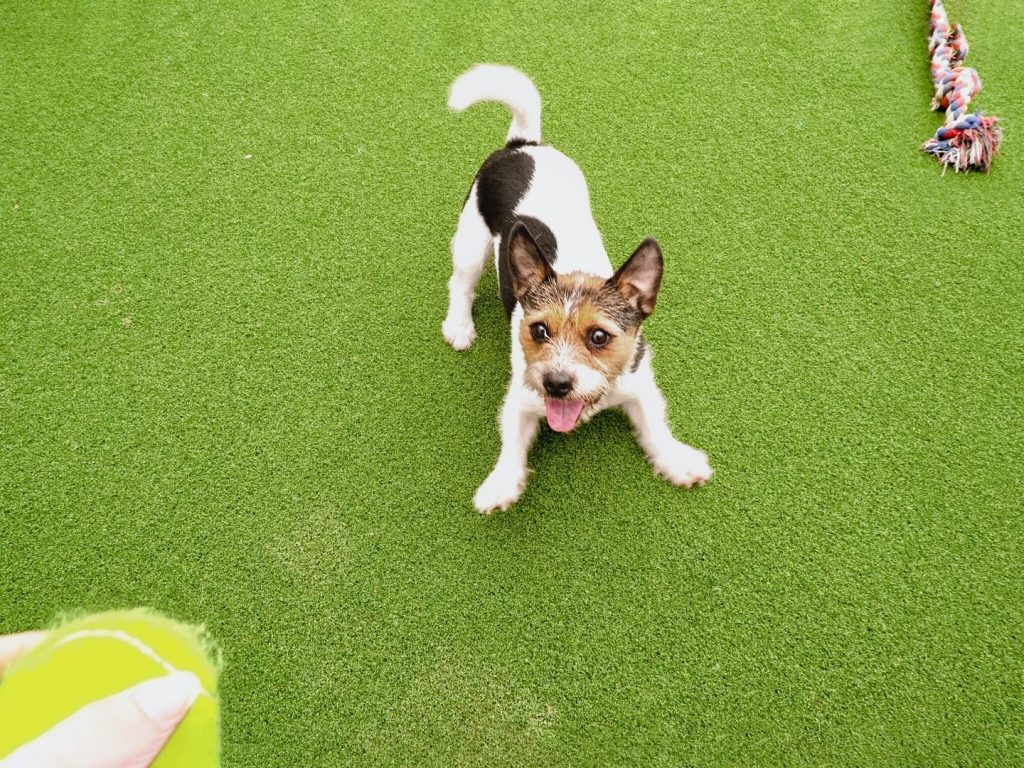
Clicker training starts with pairing the click sound with a reward. Initially, you will click and then immediately offer a treat, thereby teaching your dog to associate the click with a positive outcome. As your dog begins to understand this connection, you can progress to more complex commands. An example might be teaching the “lie down” command where a click marks the moment the dog’s belly touches the floor, immediately followed by a treat. This systematic approach trains your dog to understand that actions lead to rewards, engraining these behaviors over time.
4. Treat-Based Rewards
Among the most popular approaches to dog training is the use of treat-based rewards. Dogs, much like people, have individual tastes and preferences. Identifying which treat motivates your dog most can be the key to successful training. High-value treats, such as chicken, cheese, or commercial dog snacks, are often more enticing, especially during initial stages of training or when working on challenging commands.
Consistency is the cornerstone of this method. Rewards should be given immediately after the desired behavior to reinforce the connection between action and reward. Imagine teaching your dog to “come” when called. Each time your dog responds correctly, a treat should be offered right away. This immediate reinforcement helps your dog remember the correct response and strengthens their motivation to obey commands.
Using Treats Wisely
Although treats are powerful motivators, it’s crucial not to overuse them. Gradually shift towards using treats sporadically, incorporating verbal praise and affection to maintain motivation without reliance on food alone.
3. Praise and Affection
Positive reinforcement is not limited to edible rewards. Verbal praise and physical affection are invaluable tools in promoting desired behaviors. Dogs are inherently social creatures and thrive on receiving positive feedback from their human companions. A heartfelt “good dog” or a pat can work wonders in showing your dog they are doing well.
Be specific in your verbal praise to maximize its effect. By clearly stating what the dog did correctly, like “good sit,” you provide clarity and aid in cementing specific actions. Dogs frequently respond to tone and emotion, so heartfelt, positive energy in your voice serves as a cue that they’ve succeeded.
Building Bonds Through Affection
Praising your dog not only reinforces good behavior but also strengthens the emotional bond between you and your pet. Over time, your dog will begin to seek praise and affection as much as, if not more than, food-based rewards. This leads to more reliably well-mannered behavior without dependency on treats.
2. Structured Playtime
Structured playtime is a dynamic and effective method to teach behaviors while ensuring your dog remains physically and mentally stimulated. Activities such as fetch, hide-and-seek, or agility exercises are excellent for training purposes, with ample opportunities to instruct commands like “fetch” or “stay.”
Playtime serves a dual purpose: training and expending energy. If your dog struggles with behaviors like greeting guests calmly, integrating sit-and-stay exercises within play can help channel their exuberance into more controlled actions. For example, playing fetch in the park can be an opportunity to practice recalls or command exercises, rewarding your dog with another throw instead of solely treats or praise.
Balancing Play and Training
Structured play integrates training into daily routines and underscores the idea that following commands can be just as much fun as unbridled play. Positive play experiences lead to better behavioral outcomes and a happier, healthier dog.
1. Consistent Training Sessions
Perhaps the most important strategy in any training routine is maintaining consistent training sessions. Dogs thrive on routine and predictability, and regular training reinforces this environmental structure, anchoring desired behaviors in your pet’s daily life.
Short, focused sessions, spaced throughout the day, are more beneficial than sporadic, lengthy ones. This approach keeps your dog motivated and prevents training fatigue. Rotate commands and exercises, blending older skills with new challenges to maintain engagement.
Creating a Diverse Training Routine
Incorporating a variety of methods—like clicker training, treat-based rewards, and structured play —ensures a comprehensive approach. Each method supports and enhances the others, providing a rich tapestry of learning experiences for your dog.
In summary, these strategies are designed to foster a positive learning environment for your dog. Each method, from clicker training to consistent sessions, serves to enhance communication and understanding between you and your furry friend. Embrace these techniques, and watch as your dog transitions from unwanted behaviors to becoming the well-mannered companion you’ve always wanted!
| Category | Description |
|---|---|
| Behavioral Reinforcement | The practice of rewarding desired behaviors encourages the dog to repeat them. Utilizing positive reinforcement techniques, such as treats or praise, can effectively modify unwanted actions like excessive barking or destructive chewing. |
| Customizable Training Plans | Every dog is unique, and creating tailored training plans allows owners to address specific issues. For instance, a dog that shows anxiety during storms can benefit from pre-planned positive engagements, such as interactive games or comfort items during thunderstorms. |
| Socialization Strategies | Socializing dogs with other pets and people can prevent behavioral issues stemming from fear or aggression. Implementing group training sessions can enhance their confidence and reduce behavioral problems over time, fostering a well-adjusted temperament. |
| Long-Lasting Impact | Positive reinforcement not only modifies behaviors but also builds trust between the dog and its owner. Through consistent application, owners can create a strong bond that results in long-term behavioral changes, thus leading to a happier and more obedient pet. |
Frequently Asked Questions about Positive Reinforcement Strategies in Dogs
What is positive reinforcement, and how does it work in dog training?
Positive reinforcement is a training technique that involves rewarding a dog for desired behavior, thereby increasing the likelihood of that behavior being repeated. This approach focuses on adding a positive stimulus, such as treats, affection, or praise, whenever a dog exhibits desirable behavior. By consistently rewarding actions like sitting on command or refraining from jumping on guests, the dog learns to associate these behaviors with positive outcomes. The key is timing; the reward should be given immediately after the behavior to help the dog make the connection. Consistency and patience are crucial for solid results.
Are there any risks associated with positive reinforcement training?
While positive reinforcement is considered one of the most effective and humane training methods, potential risks can arise if not implemented correctly. For instance, if rewards are given inconsistently or for the wrong behavior, it could confuse the dog and hinder progress. Another factor to consider is the type of reward—using high-calorie treats excessively might contribute to weight gain. It’s important to balance food rewards with verbal praise or petting to maintain a healthy diet. Understanding your dog’s preferences and adjusting rewards accordingly can optimize the training process and minimize these risks.
How long does it usually take to see results with positive reinforcement?
The timeline for observing changes in behavior through positive reinforcement can vary significantly depending on factors such as the dog’s age, breed, and the specific behavior addressed. In general, some behaviors might begin to improve within a few days, while more ingrained habits could take weeks or even months to change. Consistency in training sessions and patience are key components of success. It’s also essential to set realistic goals and understand that every dog learns at its own pace. Regularly assessing progress and celebrating small victories can provide motivation to both the trainer and the dog.
Can positive reinforcement be used in conjunction with other training methods?
Yes, positive reinforcement can be effectively integrated with other training methods. Many trainers combine it with techniques like clicker training, which offers a distinct sound to mark desired behavior, further clarifying communication between the owner and the dog. While some methods, such as punishment-based training, are less recommended due to potential negative impacts on canine well-being, positive reinforcement is compatible with techniques that emphasize positive communication and understanding. The ultimate goal should be to foster a trusting relationship, ensuring the dog feels secure and motivated to learn.
Conclusion: Harnessing Positive Reinforcement for Better Canine Behavior
In conclusion, the power of positive reinforcement presents a compelling and effective strategy for modifying undesirable behaviors in dogs. Throughout this article, we’ve explored various techniques, highlighting their ability to cultivate a harmonious relationship between pets and their owners.
By employing techniques such as reward-based training and consistent praise, dog owners can dramatically transform their pet’s behavior. These approaches not only promote better conduct but also enhance the emotional bond between the owner and the dog. More importantly, positive reinforcement avoids the detrimental effects of punishment, making it a humane and gentle method to instill discipline.
Critical to the success of positive reinforcement is understanding the unique motivations and triggers that drive each dog’s behavior. Tailoring strategies to fit individual needs can accelerate progress and foster a more profound understanding of one’s pet. Consequently, it’s important for dog owners to remain patient and persistent in their efforts, recognizing that behavior modification is a journey rather than an immediate transformation.
Furthermore, the value of consistency cannot be overstated. By maintaining uniformity in responses and rewards, dogs can quickly associate the desired behavior with positive outcomes. This consistency can also prevent confusion and enhance learning efficacy.
Ultimately, these positive reinforcement strategies underscore the importance of compassionate training methods. As more pet owners adopt these approaches, the potential for nurturing well-behaved, content, and emotionally healthy dogs becomes increasingly attainable. For those passionate about their pets’ well-being, these techniques pave the way for a more rewarding and balanced partnership, encouraging continual exploration and adaptation of strategies that best suit their furry companions.