
How Caring for Pets’ Physical and Mental Health Contributes to Owners’ Well-Being

Enhancing Lives Through Pet Care
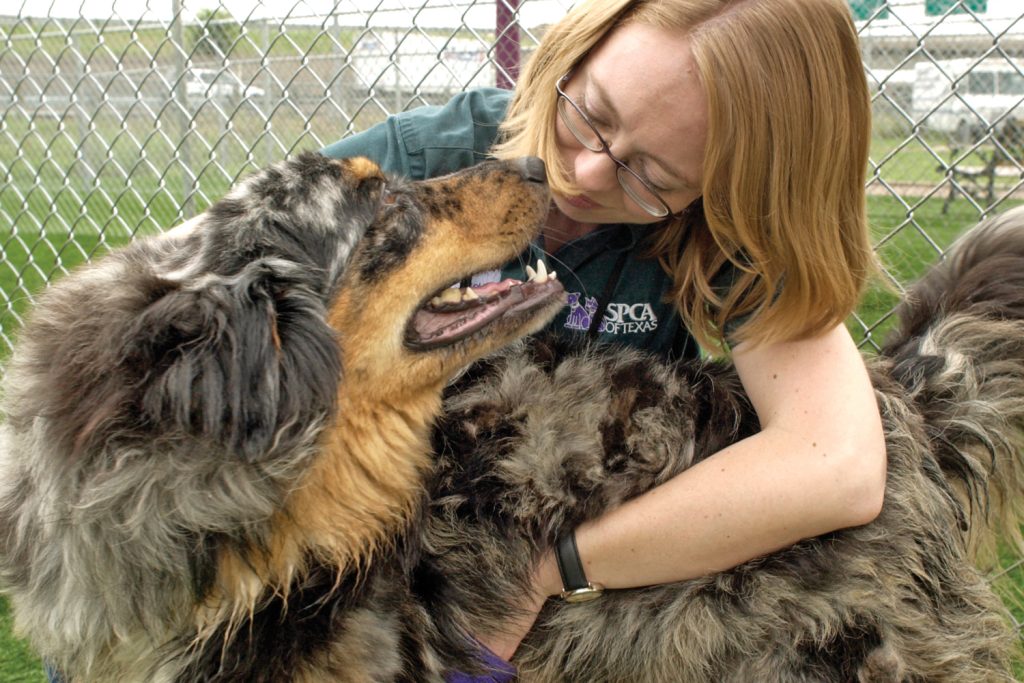
Every day, millions of pet owners across the United States discover a profound connection with their furry companions. This relationship runs deeper than mere affection; it plays a crucial role in the overall well-being of both pets and their owners.
Caring for pets can significantly impact the mental and physical health of their human counterparts. For instance, studies have shown that interacting with animals can decrease feelings of loneliness, increase emotions of happiness, and even contribute to personal resilience during challenging times. Here are some key benefits:
- Reducing Stress and Anxiety: Research indicates that spending time with pets lowers cortisol levels, the hormone associated with stress, promoting a calmer state of mind. Simple activities like petting a dog or cuddling a cat can evoke feelings of love and safety, offering a soothing effect that reduces anxiety. This is particularly beneficial for individuals with mental health challenges, such as depression or anxiety disorders.
- Encouraging Physical Activity: Regular walks and playtime with pets not only improve the health of pets but also lead to a healthier lifestyle for their owners. For example, dog owners often find themselves engaging in more outdoor activities, which enhances cardiovascular health. Activities like fetch or agility training provide an excellent way to incorporate exercise into daily routines.
- Fostering Social Connections: Pets often serve as a social catalyst, helping owners engage with other people. Dog parks or pet-themed events create opportunities for pet owners to meet and socialize with others, fostering a sense of community and belonging. These interactions are invaluable, particularly as urban living can sometimes contribute to feelings of isolation.
Moreover, the reciprocal relationship between pets and their owners can bring joy and fulfillment that extends beyond simple companionship. By prioritizing their pets’ physical and mental health, owners find themselves reaping the rewards in various aspects of their lives. The daily routines established around pet care can create structure, while caring for a pet encourages emotional growth and responsibility.
Understanding the balance between pets’ needs and owners’ well-being not only enhances the lives of animals but also enriches the human experience. This article delves deeper into how investing in your pet’s well-being can lead to a happier and healthier life for you. By fostering this relationship, individuals often report increased happiness levels and a more positive outlook on life, making the case for prioritizing pet care an important consideration for anyone looking to improve their quality of life.
In essence, the simple act of caring for a pet can have profound implications that extend well beyond the individual. Each connection forged translates into a healthier environment for both pets and humans alike, ultimately creating a more compassionate society.
DIVE DEEPER: Click here to learn more about feline socialization
The Benefits of Prioritizing Pet Health
When it comes to the bond between pets and their owners, the effect of caring for a pet’s physical and mental health can be monumental, extending beyond simple companionship to enrich the lives of their human guardians. As responsible pet owners engage in activities that promote the wellbeing of their furry friends, they inadvertently cultivate their own health and happiness. Understanding the relationship between pets’ health and owners’ well-being can open doors to a transformative experience for both parties.
A significant aspect of this relationship is the emotional and psychological boost that pet care provides. For many, spending time with animals serves as a productive distraction from the stressors of daily life. In fact, a 2020 study published in the Journal of Happiness Studies revealed that pet owners experienced a notable decline in feelings of distress and anxiety. Caring for pets instills a sense of purpose and routine, which can be particularly beneficial for individuals facing mental health challenges.
Furthermore, the physical health benefits derived from pet care cannot be understated. For instance, taking dogs on regular walks not only benefits their physical fitness but also encourages owners to move and exercise more frequently. This reinforces positive health habits. According to a survey conducted by the American Pet Products Association (APPA), approximately 60% of dog owners reported walking their pets at least once a day. This routine not only provides essential exercise for pets but also promotes cardiovascular health and weight management in their owners.
- Boosting Immunity: Studies indicate that exposure to pets, especially during childhood, can enhance immunity and reduce the likelihood of developing allergies or asthma later in life. This is a significant advantage for families and individuals seeking to improve their overall health.
- Promoting Better Sleep: A study in the Journal of Clinical Sleep Medicine found that pet owners often report better sleep quality. The comforting presence of a pet in the home can create a sense of safety and security, leading to a more restful night.
- Encouraging Healthy Routines: The needs of pets often impose a structure to the day. Feeding times, exercise schedules, and regular vet visits create naturally occurring routines, which can help owners stay organized and motivated.
Moreover, engaging in pet-related activities provides opportunities for socialization. Whether at the dog park, pet training classes, or community events, pet owners often build connections with fellow animal lovers. These interactions foster friendships and support networks that also contribute to emotional resilience. As reported by a survey from the Human-Animal Bond Research Institute (HABRI), nearly 70% of pet owners stated that their pets have helped them form lasting relationships, demonstrating the powerful social impact of pet ownership.
As pet owners strive to provide the best possible care for their pets, they, too, find themselves reaping the rewards. The mutual benefits achieved through thoughtful pet care can lead to a happier, healthier life overall. Emphasizing the importance of tending to pets’ physical and mental health is not just an act of love; it is also a fundamental step toward enhancing one’s own well-being.
| Advantages | Impacts on Owners |
|---|---|
| Physical Activity | Engaging with pets promotes outdoor activities, encouraging exercise and a healthier lifestyle for owners. |
| Emotional Support | The presence of pets can reduce stress and anxiety, providing a comforting companion during tough times. |
| Social Connection | Caring for pets fosters community engagement, creating friendships among other pet owners, enhancing social networks. |
| Routine Structure | Pets require consistent care, establishing a daily routine that can benefit the owner’s time management and mental health. |
Engaging actively with pets not only supports their health but significantly uplifts the mood and well-being of their human companions. An impressive body of research underscores the positive correlation between pet care and physical activity. Moreover, pets serve as extraordinary emotional support, easing anxiety and fostering empathy. As owners nurture their pets, they inherently build a supportive network through social interactions with fellow pet enthusiasts. This interconnectedness enhances their overall quality of life, making the importance of pet care crystal clear. Additionally, maintaining a structured daily routine for their pets provides owners with stability, thereby contributing to improved mental health and stress reduction. To explore more about how the connection between pet care and owner well-being has evolved, diving deeper into specific case studies and expert research is highly encouraged.
DISCOVER MORE: Click here for effective techniques
Strengthening the Human-Animal Bond
As pet owners delve deeper into the responsibilities of caregiving, they not only improve their pets’ health but also cultivate an enriching and transformative bond that enhances their own lives. This profound connection goes far beyond companionship; it serves as a crucial pillar of social, emotional, and physical well-being for their human counterparts. Understanding how nurturing pets’ physical and mental health can orchestrate personal growth for owners is vital in recognizing the expansive role of animals in our lives.
One of the remarkable aspects of pet ownership is the profound emotional support that animals provide. Numerous studies have demonstrated that animals are intuitive beings capable of picking up on their owner’s emotional state. According to a study published in the Journal of Psychology, more than 75% of pet owners reported that their pets offer comfort during difficult times. This emotional bonding allows owners to experience improved mental health, reducing feelings of loneliness and fostering a sense of unconditional acceptance.
Moreover, caring for pets often leads to the discovery of new hobbies and activities that enrich the owner’s life. Engaging in physical activities, such as agility training or dog-friendly yoga classes, fortifies not only the pet’s fitness but also inspires owners to pursue healthier lifestyles. A report from PetSmart Charities indicated that 82% of pet owners exercise more thanks to the physical demands of caring for a pet. This heightened activity fosters a healthier heart and increases life expectancy, creating a beneficial cycle of health that promotes long-term well-being.
- Creating Routine Through Care: The structured lifestyle that pet ownership necessitates—such as feeding, grooming, and training—fosters a sense of responsibility. This routine often translates into improved self-discipline and productivity in other areas of life, creating a sense of accomplishment that benefits overall mental health.
- Engaging the Community: Pet ownership can ignite community involvement through local shelters, pet therapy programs, or volunteer opportunities, which are crucial for fighting social isolation. Building a community around shared interests not only enriches individual lives but fosters a supportive atmosphere, embodying the idea that we are all connected through our love for animals.
- Promoting Empathy and Compassion: Caring for pets nurtures empathy and compassion, skills that often extend into human relationships. Studies suggest that pet owners display enhanced levels of empathy, enabling them to forge deeper connections with others.
Furthermore, the mental stimulation that comes from engaging with pets contributes significantly to cognitive health. Playing interactive games, teaching new tricks, or engaging in social activities that involve pets can sharpen critical thinking skills and promote mental agility. This cognitive engagement is particularly vital for older adults, as exploring stimulating interactions with pets is linked to a reduced risk of dementia.
As we explore the interconnected dynamics of pet care and owner well-being, it becomes evident that fostering a pet’s physical and mental health reverberates through all aspects of an owner’s life. By prioritizing their pets’ needs, owners unlock a treasure trove of benefits that enhance emotional stability, physical health, and social connections, ultimately leading to a more fulfilling existence where both pets and owners thrive. The power of the human-animal bond is both profound and transformative, offering a pathway to enriched well-being for all involved.
DON’T MISS OUT: Click here for essential pet health tips
Conclusion: Embracing the Human-Pet Connection for Holistic Well-Being
In summary, understanding the intricate connection between caring for pets’ physical and mental health and enhancing owners’ well-being is not only enlightening but essential. This relationship fosters a unique environment where both parties can thrive. As pet owners take on the vital task of providing for their furry companions, they simultaneously embark on a journey of self-discovery and personal growth. The emotional symbiosis that emerges from this relationship alleviates feelings of loneliness, cultivates resilience, and contributes to overall mental well-being.
Additionally, the physical activity that comes with pet care transforms lifestyles. Engaging in outdoor adventures or structured exercise routines promotes a continual cycle of improved heart health and increased longevity. What begins as a commitment to a pet’s welfare often leads to unexpected health benefits for owners, underscoring the idea that health is a shared journey. The routine established through caregiving not only instills responsibility but also instills purpose and accomplishment in everyday life.
Moreover, the act of caring for animals enhances emotional skills, such as empathy and compassion, which ripple outward into human relationships, creating a more connected community. As pet ownership continues to foster social bonds, it offers a sense of belonging that combats isolation and nurtures collective well-being.
Ultimately, the symbiotic nature of caring for pets and the resulting enrichment of owners’ lives creates a profound impact on well-being. As you consider welcoming a pet into your life or enhancing the care you provide, remember that this relationship is a two-way street, fostering mutual growth and happiness. The transformative power of the human-animal bond is a pathway to a more fulfilling, healthier existence for all individuals involved.