
Understanding the Impact of Pet Therapy on Children with Special Needs
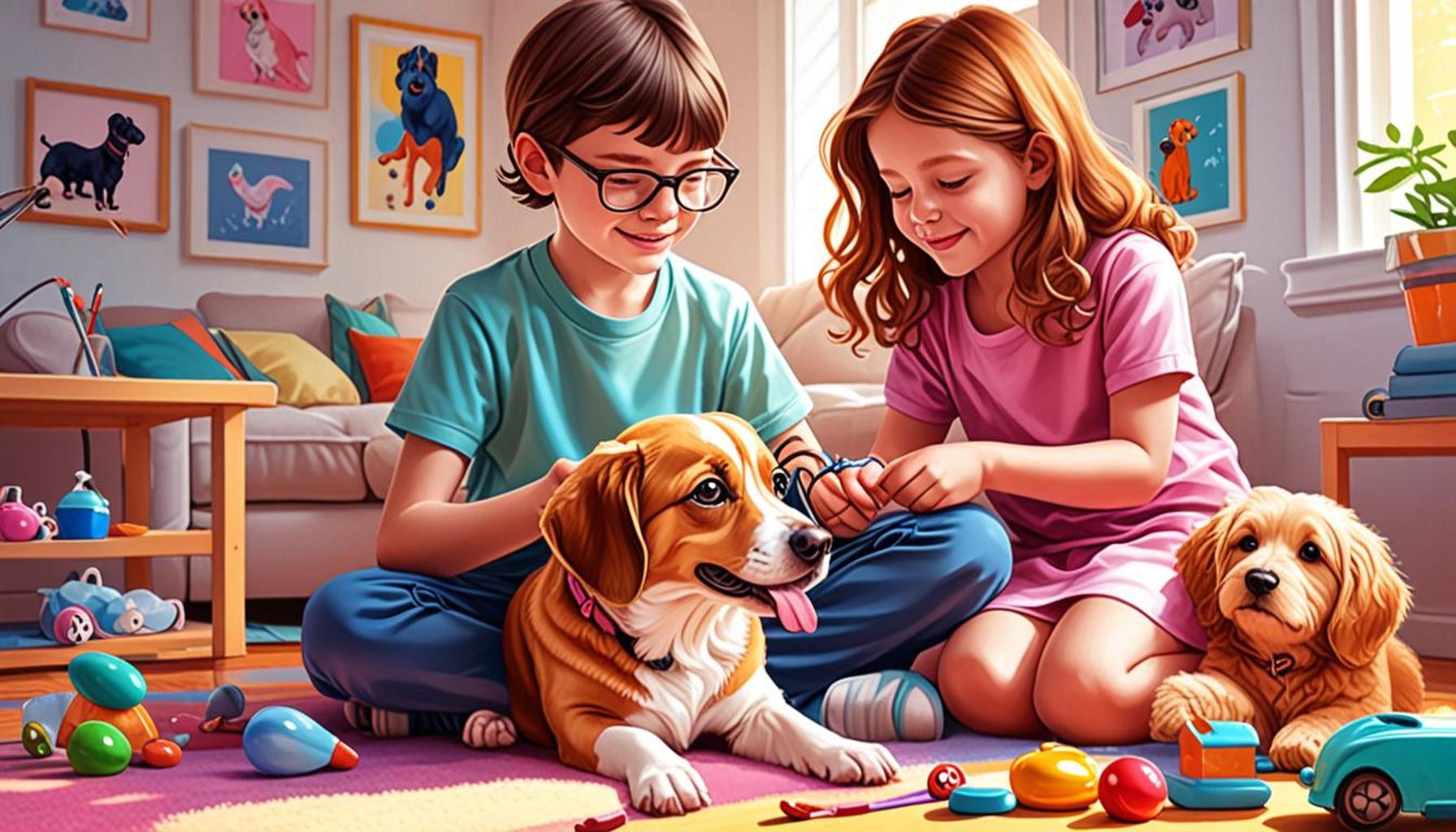
The Power of Pet Therapy
Pet therapy is rapidly gaining traction as a vital resource for enhancing the lives of children with special needs. This innovative approach harnesses the power of animals to promote healing, emotional support, and social skills development. Research indicates that interactions with therapy animals can have profound effects on children’s well-being, often bridging the gap between conventional therapy and holistic healing methods.
Among the numerous benefits of pet therapy, several stand out in the realm of childhood development:
- Emotional support: Animals can offer unconditional love and comfort, significantly reducing anxiety and stress levels for children. For instance, a child with social anxiety might find it easier to express their feelings while petting a calm dog, allowing them to open up more with their therapists.
- Social skills enhancement: Engaging with animals fosters communication and interpersonal relationships. In group settings, children might learn turn-taking, sharing, and empathy as they care for or play with a therapy animal, which can translate to improved interactions with peers.
- Physical health improvements: Activities involving pets, such as walking a dog or playing fetch, can encourage movement and develop fine and gross motor skills. Children practicing these physical activities not only improve their coordination but also boost their overall fitness levels.
The insights into pet therapy extend to various childhood challenges, particularly for those diagnosed with autism spectrum disorder (ASD), attention deficit hyperactivity disorder (ADHD), or sensory processing disorders. Research has indicated that therapy animals can promote engagement in children with ASD by providing a non-judgmental pathway to social interactions.
As awareness of pet therapy continues to grow, many families and therapists are exploring its unique advantages and integrating it as a complementary treatment option. The bond that develops between children and therapy animals creates a safe space for self-expression and emotional exploration, often leading to breakthroughs that more conventional therapies might not achieve.
Exploring the nuances of this treatment option could reveal new pathways for healing and personal growth. A recent study demonstrated that children involved in pet therapy programs reported lower levels of aggression and higher levels of tolerance, highlighting its potential to create lasting positive change. Join us as we delve deeper into the significant impact of pet therapy on children with special needs, illuminating the profound connection that can thrive between humans and animals.
DISCOVER MORE: Click here to learn about enhancing your pet’s happiness
The Therapeutic Benefits of Animal Companionship
Pet therapy harnesses the natural bond between animals and humans, transforming this relationship into a therapeutic tool that fosters growth and healing, particularly for children with special needs. One of the most prominent benefits of pet therapy is its ability to instill a sense of emotional security. For many children, animals serve as a source of comfort during challenging times. The presence of a therapy animal can reduce feelings of isolation and fear, enabling children to experience moments of joy and relief in an otherwise overwhelming world.
Another critical aspect of pet therapy is its role in building social connections. Children who struggle with traditional social interactions often find solace in the unconditional companionship offered by pets. Whether sharing their thoughts with an attentive dog or participating in group activities that involve interacting with animals, children can develop essential social skills integral to their personal development. The presence of a therapy animal creates less pressure, allowing children to communicate and engage at their own pace while learning valuable lessons about empathy and cooperation.
Moreover, pet therapy has demonstrated remarkable impacts on communication skills. Research suggests that children with Autism Spectrum Disorder (ASD), in particular, may utilize the non-threatening relationship with animals to improve their verbal and non-verbal communication skills. Engaging with therapy animals can encourage children to express themselves more freely, practicing language in a supportive environment where they feel accepted and understood. Furthermore, these interactions can promote non-verbal cues, such as eye contact and body language, aiding in the development of more nuanced communication abilities.
Types of Therapy Animals
Various types of therapy animals can facilitate these beneficial interactions. Common animals utilized in therapy sessions include:
- Dogs: Known for their friendly disposition, therapy dogs are often the first choice in therapy settings. Their ability to respond to human emotions makes them incredibly effective in reducing anxiety and improving social engagement.
- Cats: Quiet, comforting, and less demanding, cat therapy can provide emotional support and companionship in a gentle manner, often resonating with children who may prefer a more subdued interaction.
- Rabbits: Their soft fur and calm demeanor can help ease children’s fears while providing opportunities for gentle physical interaction and care, enhancing fine motor skills through grooming or feeding.
- Miniature Horses: These charming animals offer a unique experience, helping children develop confidence while promoting physical activity and responsibility through grooming and handling.
The diverse range of therapy animals allows for flexible combinations in various clinical settings, tailoring the approach to meet the specific needs of each child. Understanding how different types of animals can impact therapeutic processes will open a world of possibilities for enhancing the well-being of children with special needs.
As more families seek out the benefits of pet therapy, ongoing studies continue to unveil how such interactions pave the way for healing, growth, and deeper emotional connections. The journey of discovering these therapeutic benefits is just beginning, and the results show promise for a brighter future for children navigating the complexities of special needs.
| Advantage | Description |
|---|---|
| Enhanced Social Skills | Pet therapy can promote interaction with peers, leading to improved socialization and communication abilities, essential for children with special needs. |
| Emotional Support | Animals provide unconditional love, helping children cope with anxiety, depression, and emotional stress, fostering a sense of security and well-being. |
| Physical Benefits | Engagement with therapy pets encourages physical activity, which is critical for improving motor skills and enhancing overall health. |
The incorporation of pet therapy in the lives of children with special needs offers remarkable improvements that are worth exploring. The child’s journey with a furry companion can lead to a more fulfilled life, promoting not just emotional wellness but also social engagement. Each pet interaction can become a stepping stone in fostering critical life skills, allowing children to thrive in a supportive and nurturing environment. Understanding how these elements intertwine can lead to a greater appreciation for the healing power of pets and their potential in therapeutic settings. As research continues, the stories of success in incorporating pet therapy into special needs education unfold, providing hope and insights for families and practitioners alike.
DIVE DEEPER: Click here to learn about the benefits of a balanced diet for your pet
Enhancing Physical and Cognitive Development through Pet Therapy
In addition to the emotional and social benefits, pet therapy also plays a significant role in enhancing physical and cognitive development in children with special needs. Engaging with therapy animals encourages children to participate in physical activities that promote motor skills, coordination, and balance. For instance, the simple act of walking or playing with a dog can enhance gross motor skills, while grooming or petting smaller animals fosters fine motor skills as children learn to manipulate brushes or feed treats. This interactive approach to physical engagement contributes not only to better health and fitness but also to increased confidence in a child’s abilities.
On a cognitive level, pet therapy stimulates learning and problem-solving skills. Children often become more engaged in activities that involve animals, developing curiosity and a desire to learn. For instance, hands-on tasks like learning to care for a rabbit or train a dog can provide practical lessons in responsibility and empathy. In therapy sessions, children may also be introduced to task-based activities that require critical thinking and creativity, such as designing an obstacle course for their therapy animal or coming up with commands for their pet. These exercises can effectively bridge the gap between therapeutic interventions and real-life experiences, facilitating cognitive growth while making learning enjoyable.
Real-World Applications and Studies
The application of pet therapy extends beyond anecdotal evidence; several studies underline its efficacy. The American Humane Association highlights research indicating that interactions with therapy animals can lead to measurable improvements in children with behavioral and emotional challenges. These findings suggest that regular exposure to therapy animals not only aids in alleviating anxiety but also results in improved behavior at home and in school settings.
Several educational institutions and therapy centers across the United States are embracing the incorporation of pets into therapeutic programs. For instance, specialized schools in states like California and Texas have successfully integrated therapy dogs into their daily routines, allowing children to read aloud to dogs or participate in structured play sessions. Such environments have reported reduced instances of outbursts and heightened levels of engagement among students with special needs. These innovations demonstrate a proactive approach to education, leveraging the companionship of animals to create a more inclusive growth environment.
Furthermore, therapy programs that focus on animal-assisted activities are emerging as part of broader therapeutic strategies. Partnerships between hospitals, schools, and nonprofit organizations work to provide children with access to therapy animals as part of hospital stays, rehabilitation efforts, and educational initiatives. An example of this is the growing trend of “Reading with Rover” programs, where children improve their literacy skills by reading to trained therapy dogs, thus addressing not only their academic needs but also enhancing their emotional well-being.
Future Prospects and Research Directions
As the body of evidence supporting pet therapy continues to expand, ongoing research aims to refine its application in therapeutic settings. Investigations are increasingly focusing on the specific needs of various populations, such as children with ADHD or sensory processing disorders, to tailor therapies that maximize impact. Furthermore, the development of standardized protocols for therapy sessions could enhance consistency and effectiveness across programs.
In conclusion, the journey of integrating pet therapy into the lives of children with special needs is ripe with potential. As communities recognize the profound benefits of animal companionship, the future looks bright for innovative approaches that harness these relationships for therapeutic gains. Understanding these dynamics may ultimately lead to groundbreaking advancements in how we support the development of children facing unique challenges.
DON’T MISS: Click here to learn more about pet health!
Conclusion: Embracing the Healing Power of Pet Therapy
In summary, the integration of pet therapy into the lives of children with special needs offers a multifaceted approach to learning and development. The emotional, social, physical, and cognitive advancements fostered by therapy animals create a holistic environment conducive to growth. From enhancing motor skills through active engagement with animals to cultivating responsibility and empathy, pet therapy serves as a powerful tool in breaking down barriers faced by these children.
The data supporting the effectiveness of pet therapy, reinforced by numerous studies and real-world applications, opens new avenues for educators, therapists, and families alike. As more programs incorporate therapy animals into their curricula and therapeutic strategies, it becomes evident that these interactions lead to reduced anxiety, improved behavior, and enhanced overall well-being in children. Moreover, fostering partnerships among hospitals, schools, and organizations dedicated to animal-assisted therapy will continue to broaden access to these invaluable resources.
Looking ahead, further research into the specific needs of varying populations within the special needs spectrum promises to refine and improve therapeutic practices. The potential to develop standardized protocols will also ensure that all children can benefit from the transformative power of animal companionship effectively. By embracing this innovative method, society not only supports the specific developmental challenges these children face but also celebrates the unique bond between humans and animals, paving the way for a more inclusive, understanding, and compassionate future.