
How non-verbal communication between pet owners and pets influences behavior
The Importance of Non-Verbal Communication in Pet Ownership
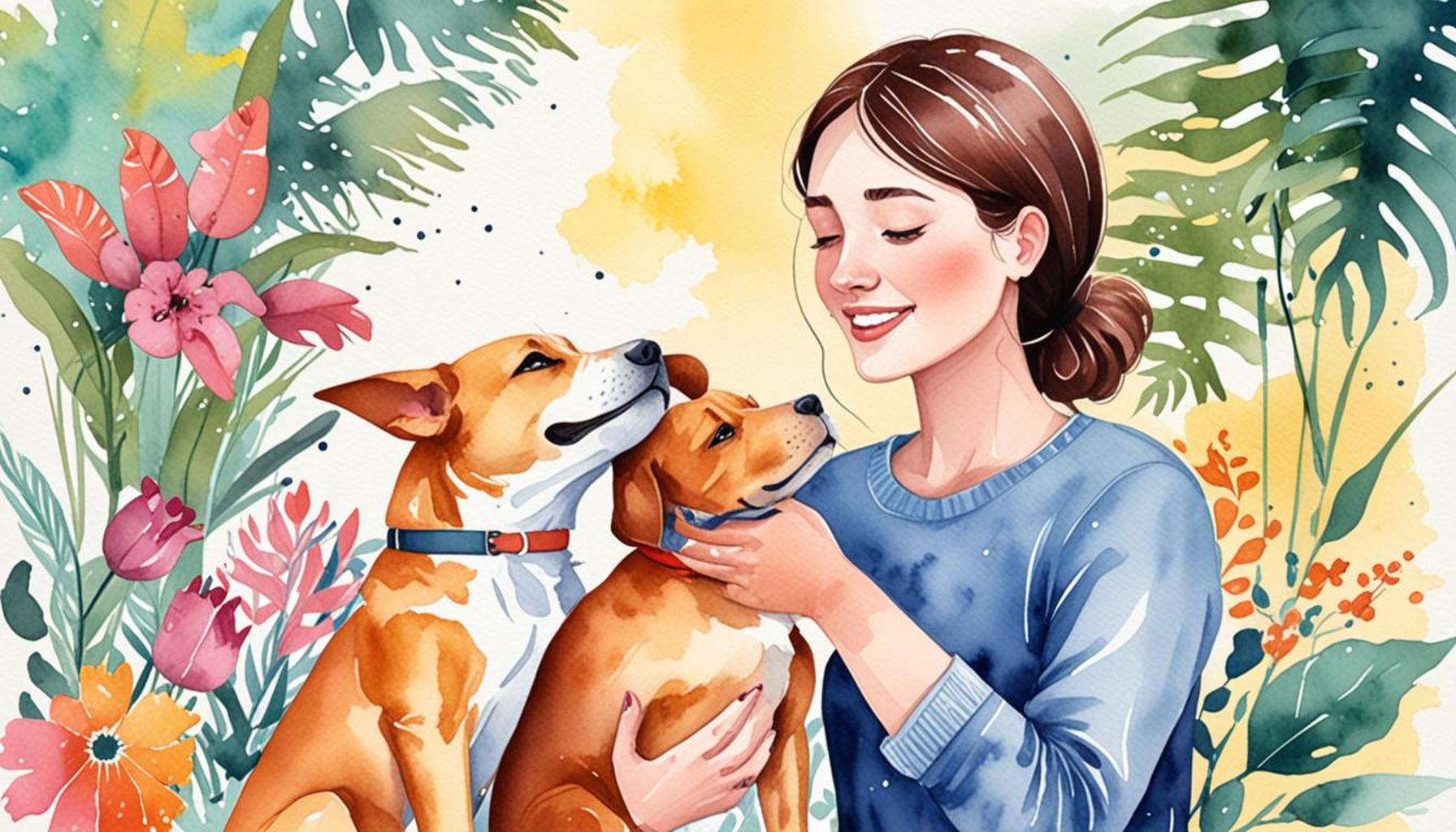
The bond between pet owners and their beloved animals is profound, shaped significantly by non-verbal communication. This form of interaction transcends the limits of spoken language and reveals how body language, gestures, and even facial expressions play pivotal roles in influencing pet behavior. The ability to interpret these signals not only enhances the understanding of an animal’s emotional state but also strengthens the owner-pet relationship.
Consider the following aspects of non-verbal communication:
- Body Language: Pets are keen observers of their owners’ posture and movements. For instance, a confident and upright stance when approaching a dog may signal safety and trust, while a slumped posture may convey uncertainty, potentially leading to anxiety in the pet. Research suggests that dogs, in particular, can read human body language far better than verbal cues, indicating a natural affinity for observing their human companions’ movements.
- Facial Expressions: A smile or frown can signal a range of emotions to a pet. Dogs often respond to their owners’ facial expressions, demonstrating that they can discern feelings such as happiness or frustration. For example, a dog may wag its tail excitedly when it sees a smiling owner, contrasted with signs of stress if the owner appears upset or angry.
- Gestures: Simple actions, like pointing or waving, can convey commands or affection. For example, a child pointing to their dog can signal a command like “come here,” which many dogs instinctively understand. These gestures are not only crucial for training purposes but also foster a sense of companionship, showing pets that their owners are engaged and attentive.
Understanding these non-verbal cues leads to a richer, more harmonious relationship between pets and their owners. A study published in the journal Animal Cognition highlighted that pets often mirror their owners’ emotions, indicating that a pet’s behavior can be a direct response to the owner’s non-verbal signals. This mirroring effect can result in dogs showing anxious behavior when their owners are stressed or relaxed when their owners are calm.
Moreover, pet owners can benefit significantly from engaging in this exploration of non-verbal communication. Pet training can be enhanced by recognizing which signals are most effective for specific behaviors. Training that incorporates positive reinforcement through gestures may yield better results than verbal commands alone. For those keen on deepening their connection with their pets, delving into the nuances of non-verbal communication is a fascinating journey that promises to unlock profound insights into animal behavior and interaction.
In conclusion, the ability to effectively utilize non-verbal communication not only enriches the relationship between pet owners and their animals but also contributes to a better understanding of animal welfare and behavior. Ultimately, a deeper insight into these non-verbal cues can help foster a more fulfilling and harmonious life for both pet and owner.
LEARN MORE: Click here to discover the benefits of a balanced diet for your pet
Deciphering the Silent Language of Our Pets
The intricate dance of non-verbal communication between pet owners and their furry companions is an unspoken language that transcends words. At the heart of this silent exchange lies the profound ability to understand and interpret a pet’s reactions based on the owner’s body language, tone, and emotional state. One might wonder how this intricate web of signals influences behavior and enhances the overall pet-owner relationship. Exploring this uncharted territory unveils a world where owners and pets profoundly affect each other’s actions and emotions.
One of the most striking aspects of non-verbal communication is its impact on a pet’s sense of security and confidence. For instance, a pet that observes an owner exhibiting open body language—such as relaxed arms, an upright posture, and steady eye contact—will likely feel more at ease and secure. In contrast, if an owner appears tense or closed off, it may ignite feelings of anxiety in the pet, leading to behaviors such as barking, hiding, or even aggression. This reaction highlights the importance of emotional intelligence; by being attuned to their own non-verbal signals, pet owners can cultivate a safe and nurturing environment.
Another critical component of this silent communication is the role of eye contact. Research shows that when dogs and their owners maintain mutual gaze, it fosters a deeper emotional connection and promotes feelings of affection. A study published in the journal Science indicated that spending time gazing into a dog’s eyes increases the production of oxytocin—a hormone associated with bonding. This chemical exchange can lead to enhanced cooperative behavior in pets and increased compliance with commands, reinforcing the bond between owner and pet.
Moreover, the power of touch cannot be understated. Affectionate gestures such as petting, cuddling, or even a gentle scratch behind the ears can communicate a wealth of reassurance and love. These actions not only make pets feel comfortable but can also influence their behavior positively. For instance, a routine of gentle touch when a pet is exhibiting less desirable behaviors (like jumping up or barking) can help redirect their focus, creating a calming atmosphere and promoting better behavior. Thus, physical touch is an essential component in bridging the gap between understanding and response.
Furthermore, owners must be mindful of their emotional states as these feelings can be absorbed by their pets. For instance, when a pet owner arrives home stressed from work, their anxiety can ripple through the household, impacting their pet’s behavior. Studies have shown that pets, especially dogs, can detect changes in their owner’s body scent caused by stress, leading to heightened alertness or anxiety in the dog. Recognizing and managing one’s emotional state can produce a ripple effect that not only calms the pet but also enhances their ability to respond positively to commands and routines.
- Confidence Building: Positive body language fosters a sense of security.
- Mutual Gaze: Eye contact enhances emotional bonds and encourages compliance.
- Touch: Affectionate gestures communicate love and calm anxious behaviors.
- Emotional Influence: Owners’ stress impacts pets, reinforcing the need for emotional awareness.
As it becomes increasingly clear, the dynamic between pet owners and their pets hinges on the ability to read and respond to non-verbal signals. Understanding this silent communication can unlock doors to improved behavior, stronger bonds, and ultimately, a more fulfilling companionship for both pet and owner. As we delve deeper into the nuances of this communication, we can continue to discover enriching ways to enhance our relationships with our pets, fostering a life full of joy and understanding.
Understanding Non-Verbal Communication in Pets
Non-verbal communication plays a crucial role in the bond between pet owners and their furry companions. The interactions that occur without words—through gestures, body language, and facial expressions—are vital in shaping the behavior of both parties. Pet owners often underestimate the impact of their own non-verbal cues, which can inadvertently influence their pets’ emotions and reactions.
Recognizing the importance of these cues is key to building trust and enhancing the overall relationship with pets. For instance, the way a dog owner stands or sits can affect their pet’s willingness to engage. A relaxed posture can encourage the pet to approach, while an agitated body stance may signal unease, triggering defensive behavior.
| Type of Non-Verbal Communication | Influence on Behavior |
|---|---|
| Body Language | Can convey confidence or anxiety, affecting how pets respond in various situations. |
| Facial Expressions | Dogs can read human emotions through facial cues, adjusting their behavior accordingly. |
Additionally, the subtle nuances in a pet owner’s voice tone, despite being a verbal element, associate heavily with non-verbal communication. For instance, a soft tone can calm an excited pet, while a sharp tone may incite fear or anxiety. Understanding these dynamics not only deepens the human-animal bond but also enriches the well-being of the pets involved.
Exploring these elements fosters an insightful perspective on the invisible yet profound connection that exists between pet owners and their pets. Recognizing and enhancing non-verbal communication techniques can lead to a more harmonious living environment and promote positive behaviors in pets.
DISCOVER MORE: Click here for puppy training tips
The Impact of Non-Verbal Cues on Training and Socialization
Non-verbal communication not only shapes the bond between pet owners and their pets but also plays a vital role in the efficacy of training and socialization. Understanding how to effectively communicate through body language can make or break the training process. For example, a trainer who maintains a confident posture and uses assertive gestures when issuing commands is more likely to elicit a positive response from their pet. This authority in body language conveys that the owner is in control, allowing the pet to focus and comply more readily.
Conversely, if an owner appears uncertain or inconsistent in their non-verbal signals—perhaps by wavering in their stance, looking away while giving cues, or using a soft tone that lacks conviction—the pet may become confused. Dogs, in particular, have a keen sense for reading human body language, which underscores the importance of consistent and clear signals during training. Implementing strategies that leverage the owner’s posture, eye contact, and gestures can effectively boost a pet’s responsiveness and understanding of commands.
Socialization is another area deeply influenced by non-verbal cues. Pets that are exposed to different environments and other animals need a strong foundation of trust to feel comfortable. When an owner displays a relaxed demeanor, combined with open body language, their pet is more likely to feel secure in new situations. For instance, taking a dog to a crowded park can be overwhelming, but if the owner approaches the scenario with ease, perhaps by smiling and using slow, deliberate movements, the pet’s reaction can mirror that calmness, leading to more positive interactions with other dogs and people.
- Training Effectiveness: Confident body language boosts compliance and responsiveness.
- Clear Signals: Consistency in non-verbal communication is crucial for understanding commands.
- Trust in Socialization: Relaxed demeanor helps pets feel secure in new environments.
The role of facial expressions in non-verbal communication must also not be overlooked. Pets are incredibly adept at reading their owner’s expressions—a furrowed brow or pursed lips can convey disapproval or stress, while a smile can signal approval and affection. This understanding can help direct a pet’s behavior in the right direction. Owners who utilize smiling when rewarding a pet create an environment filled with positivity that encourages good behavior and a desire to seek approval. Research conducted by the University of Massachusetts suggests that dogs are capable of discerning human facial movements, highlighting how critical these non-verbal cues are in motivating pet behavior.
The concept of energy transfer further illustrates this dynamic. Pet owners often release a certain emotional energy that their pets can sense, which can lead to the mirroring of emotions. For instance, excited movements or high-energy vocalizations can arouse a similarly enthusiastic response from pets. In a training session, this can be a beneficial phenomenon; however, in stressful situations, it may lead to panic or anxiety. Understanding how one’s energy affects their pet can help owners refine their approach to training and interactions, paving the way for a more harmonious relationship.
In an era where pet ownership is viewed as integral to many people’s lives, grasping the profound influence of non-verbal communication is essential. By honing the ability to convey positive and clear signals, owners can enhance not only individual behavior outcomes but also the overall quality of life for their pets. The deeper humans delve into understanding this silent language, the more fulfilling and rewarding both the training experience and companionship become.
DON’T MISS: Click here for essential tips
Final Thoughts on Non-Verbal Communication Between Pet Owners and Pets
Understanding the intricate world of non-verbal communication between pet owners and their furry companions opens new avenues for enhancing behavior and strengthening the human-animal bond. The essence of this silent dialogue lies in the nuanced body language, gestures, and expressions that pet owners project, which profoundly influence their pets’ responses. As explored in this article, consistent and confident communication can significantly bolster training effectiveness, enabling pets to grasp commands and cues with greater clarity. Moreover, the owner’s emotional energy plays a crucial role in shaping their pet’s behavior, creating a rhythm of positivity or anxiety that can either enhance or undermine the training experience.
Socialization further exemplifies the importance of non-verbal signals; a pet that senses its owner’s calm demeanor in new situations is more likely to feel secure and curiously engage with their surroundings. As research highlights, pets are remarkably skilled in interpreting human emotions, often mirroring their owner’s feelings through their behaviors. Thus, a simple smile or relaxed posture can pave the way for a more harmonious interaction, while tension or discontent can lead to confusion and anxiety for the pet.
In conclusion, by honing the art of non-verbal communication, pet owners not only ensure better compliance and response from their pets but also foster a vibrant and trusting relationship that can lead to a more fulfilling companionship. As society continues to recognize pets as family members, investing time in understanding this profound yet often overlooked aspect of communication will yield both behavioral benefits and a deeper emotional connection. Embracing this silent language is not just a smart strategy for pet training—it’s a pathway to enriching the lives of both pets and their devoted owners.