
The influence of diet on the behavioral health of dogs and cats
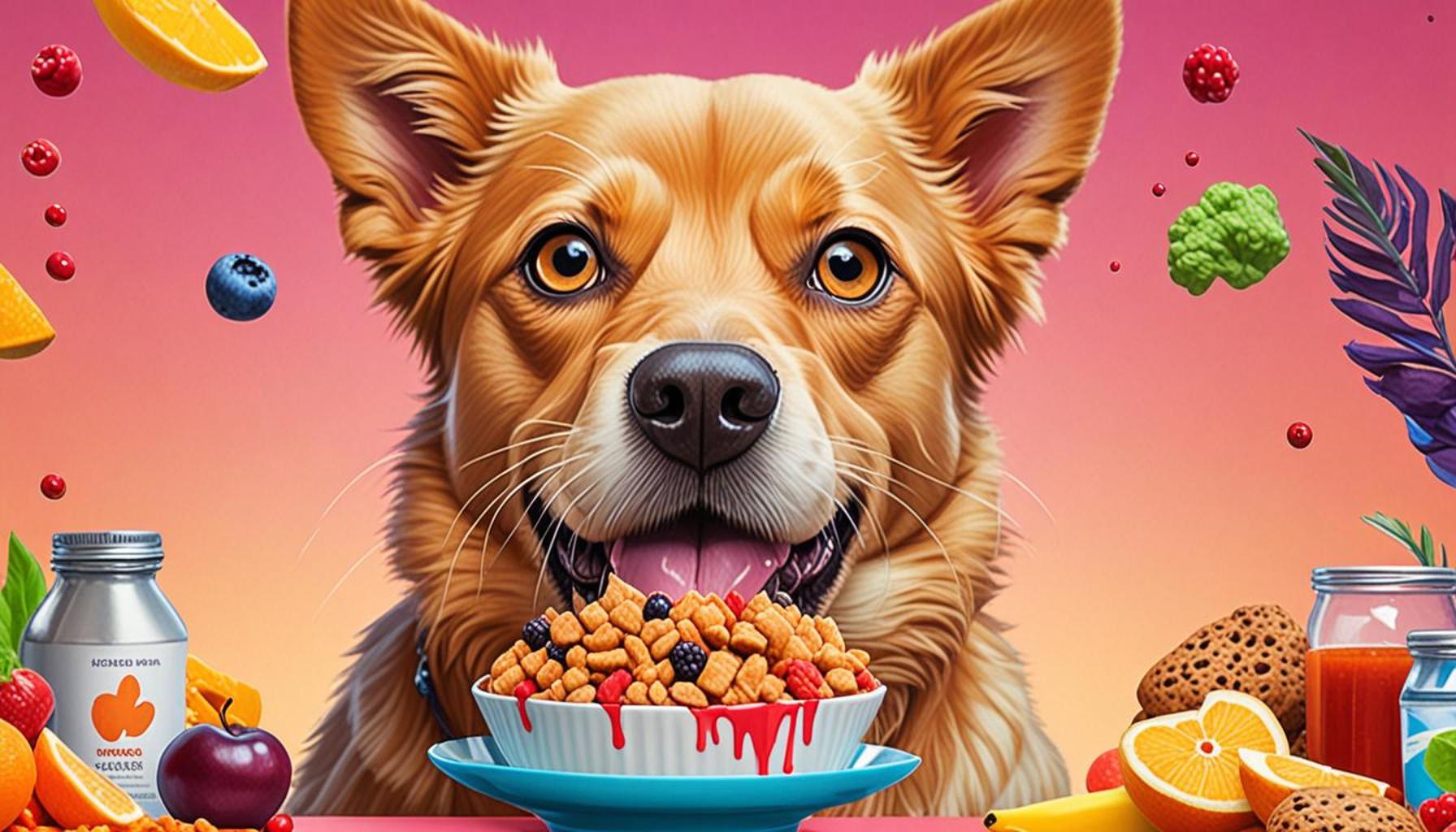
The Importance of Diet in Shaping Pet Behavior
Pet owners are often on the lookout for ways to enhance their furry companions’ quality of life. A common question that arises is whether the food we provide for our pets can affect their overall behavior and emotional well-being. Recent studies indicate that the link between diet and behavioral health in pets, particularly dogs and cats, is significant and warrants attention.
The food we choose for our pets might influence their mood, energy levels, and social interactions. The underlying premise is that like humans, animals too are affected psychologically by their nutritional intake. For instance, a diet rich in essential fatty acids such as Omega-3, found in fish oils, can improve cognitive functions and mitigate symptoms of depression and anxiety in pets.
What Should Pet Owners Consider?
To better understand the impact of diet on pet behavior, consider the following factors:
- Ingredients Matter: Pets thrive on high-quality proteins, fats, and whole grains. For example, chicken and fish not only provide essential amino acids for muscle development but can also elevate serotonin levels, contributing to feelings of happiness and calmness.
- Food Additives: Many commercial pet foods contain artificial colors, flavors, and preservatives, which may have adverse effects on mood and behavior. A study published in the Journal of Animal Science noted that pets consuming natural diets exhibited fewer aggressive behaviors compared to those on heavily processed foods.
- Diet Transition: Making sudden changes in a pet’s diet can lead to gastrointestinal upset and stress, resulting in anxious or even aggressive behaviors. Gradually introducing new foods over a span of seven to ten days can help mitigate these issues, allowing pets to adjust without undue stress.
Pets can display various behavioral issues, such as aggression, anxiety, and hyperactivity, often correlating with their dietary choices. For example, a high-sugar diet may cause hyperactivity in dogs, while low-quality protein sources can lead to belligerent behavior or lethargy. Furthermore, ensuring pets receive adequate vitamins and minerals can help maintain emotional balance and cognitive health.
As the science of pet nutrition evolves, it is increasingly clear that what works for one animal may not suit another. Observing your pet’s unique responses to different diets is crucial. If Fido becomes overly energetic after meals or Whiskers displays signs of anxiety, these may be red flags indicating the need for dietary adjustments. Ideally, consulting with a veterinarian can provide tailored advice on the best nutritional strategies to foster your pet’s mental health.

In conclusion, understanding how nutrition impacts behavior in pets is essential for fostering a harmonious environment for your furry friends. By making informed dietary choices, pet owners can significantly contribute to their companions’ mental well-being, leading to more joyful and manageable pets. Dive deeper into the fascinating world of pet nutrition and start your journey to discovering the perfect diet for your loyal companions.
DISCOVER MORE: Click here to learn about effective training techniques
The Connection Between Nutrition and Pet Behavior
When it comes to understanding the influence of diet on the behavioral health of dogs and cats, it is essential to explore how various dietary components can shape their mental and emotional states. Recent research suggests that there is a strong interplay between what pets eat and how they behave. Nutritional science has made leaps and bounds in connecting the dots, revealing that diet can significantly impact everything from social interactions to stress levels in our furry companions.
One of the critical elements to consider is the nutritional balance in a pet’s diet. A well-rounded diet that includes appropriate proportions of proteins, fats, carbohydrates, vitamins, and minerals is crucial for maintaining not only physical health but also psychological well-being. For instance, high-quality protein sources such as chicken, turkey, and fish provide essential amino acids that aid in neurotransmitter production. These neurotransmitters—like serotonin—play a vital role in regulating mood and behavior. Low-quality proteins, on the other hand, can result in a lack of energy or increased irritability, showing how protein quality can influence behavior.
Dietary Impacts on Specific Behavior Issues
The correlation between diet and behavioral issues is becoming clearer, with specific dietary elements having pronounced effects. Below are some notable connections:
- Hyperactivity: Diets high in sugars and fillers can lead to increased energy levels and hyperactive behavior in pets. Simple carbohydrates found in many commercial pet foods may spike blood sugar levels, causing a sudden burst of energy followed by lethargy.
- Stress and Anxiety: Pets that are deficient in B vitamins, specifically B6 and B12, may experience heightened levels of anxiety. Supplements or diets rich in these vitamins can promote relaxation and emotional stability.
- Aggression: Studies have shown that diets lacking critical nutrients can contribute to behavioral issues such as aggression. A deficiency in Omega-3 fatty acids, for example, has been associated with increased irritability and aggression in both dogs and cats.
Additionally, it’s important to recognize the role of gut health in behavioral health. A healthy gut microbiome can help regulate mood and stress levels. Probiotics, found in specialized pet foods or through supplements, may aid in maintaining good gut flora, which in turn can lead to improved behavior and reduced anxiety.
As pet owners, it is vital to remain observant of your pets’ behaviors during dietary transitions. Changes in dietary habits should be monitored closely for any shifts in mood or behavior. For example, if a once calm and friendly dog begins to exhibit signs of aggression or anxiety after switching to a new food, it may be time to reassess their diet. Seeking guidance from a veterinarian can provide valuable insights tailored to your pet’s specific needs.
In sum, the link between dietary choices and behavioral health in dogs and cats cannot be underestimated. By understanding the implications of nutrition on pet behavior, pet owners can make informed decisions that foster a healthier, happier life for their furry friends.
The Impact of Nutritional Choices on Pet Behavior
Understanding the impact of diet on the behavioral health of dogs and cats is essential for pet owners who wish to create a harmonious environment for their furry companions. Just like humans, pets can experience mood swings and behavioral issues influenced by their nutrition. A well-balanced diet ensures that pets receive the necessary vitamins, minerals, and amino acids that contribute to their overall wellness.A study conducted by veterinary nutritionists found that dogs fed diets high in omega-3 fatty acids exhibited improved cognitive function and a reduction in anxiety-related behaviors. This indicates that incorporating fish oils or certain supplements can significantly enhance the emotional wellbeing of pets. For cats, diets rich in taurine are crucial for maintaining both their physical and mental health. This amino acid is not only important for heart health but is also linked to their ability to cope with stress.Another key aspect to consider is the effect of processed foods on a pet’s behavior. Highly processed diets can lead to hyperactivity or lethargy in dogs and cats, making them more prone to behavioral issues. Choosing whole-food diets can lead to more stable energy levels and improved mood.Additionally, feeding schedules can influence behavior. Regular feeding helps create a sense of security in pets, reducing anxiety and promoting better social interactions with both humans and other animals. Establishing a routine not only enhances their diet but also contributes to a stable emotional environment.It’s important to monitor how different foods affect your pet’s behavior, and adjust as necessary to achieve an ideal diet that supports their mental and emotional needs. By doing so, you can foster a greater sense of wellbeing and stability for your dogs and cats.
| Category | Benefits |
|---|---|
| Omega-3 Fatty Acids | Enhances cognitive function, reduces anxiety. |
| Whole Foods | Promotes stable energy levels, improves mood. |
| Regular Feeding | Creates a sense of security, reduces anxiety. |
Exploring these dietary influences on behavior encourages pet owners to make informed decisions, ultimately leading to healthier and happier pets.
LEARN MORE: Click here for positive reinforcement tips
Exploring Hyper-Responsive Behaviors and Dietary Triggers
The connection between dietary choices and the behavioral health of dogs and cats extends beyond general mood changes; it also influences specific behavioral responses. Various studies have demonstrated that certain ingredients can catalyze hyper-responsive behaviors, often mistaken for innate issues. For instance, dogs that consume diets high in artificial preservatives and additives may exhibit neurochemical changes that lead to increased excitability or excessive barking. In the world of pet food, vigilance regarding ingredient labels is essential. An ingredient list filled with chemical additives often indicates lower-quality nutrition that could be contributing to behavioral disturbances.
Food Allergies and Sensitivities can also play a pivotal role in behavioral health. Pets that are allergic or intolerant to specific proteins, grains, or fillers may experience discomfort that manifests in anxiety or irritability. Common allergens for dogs include wheat, soy, and beef, while for cats, seafood and poultry are frequent culprits. Symptoms may vary, but a pet that consistently scratches, has digestive issues, or exhibits behavioral outbursts may be suffering from a food sensitivity. Tying dietary changes back to behavior requires patience and often a process of elimination, but understanding these links can lead to more peaceful cohabitation.
The Role of Feeding Practices in Behavioral Outcomes
The methods by which pet owners feed their companions can also impact behavioral health. For example, feeding schedules and environments play significant roles in a pet’s emotional state. Dogs and cats thrive on routine, and irregular feeding patterns can lead to stress and anxiety. Additionally, practices such as free feeding, where food is constantly available, can prevent animals from developing a healthy sense of hunger and satiety, which may contribute to compulsive behaviors such as overeating or food guarding.
Moreover, enrichment activities paired with feeding can promote positive behaviors. Interactive feeding toys or slow feeders can stimulate a pet’s mental faculties and encourage problem-solving skills, reducing stress and anxiety levels. By engaging in these practices, pet owners not only improve their pet’s physical health through mindful eating but also foster better behavioral outcomes through enrichment.
Adequate Hydration and Behavioral Implications
Interestingly, another vital aspect often overlooked is hydration. Adequate water intake is essential for both physical health and cognitive function. Dehydration can lead to lethargy, reduced mental acuity, and heightened irritability. It is worth noting that dogs and cats often refuse water if it is contaminated or if they associate it with negative experiences, such as fear or stress during mealtime. Ensuring that pets have access to fresh, clean water—which can also be flavored with low-sodium broth—can encourage hydration while positively influencing their behavior.
As the world of pet nutrition continues to evolve, awareness regarding the intricacies of dietary influences on behavior is crucial. Pet owners armed with knowledge can take a proactive stance in ensuring that their furry companions lead healthy, well-adjusted lives. Comprehensive understanding of how each dietary choice impacts behavior can ultimately lead to stronger bonds between pets and their owners.
LEARN MORE: Click here for effective training techniques
Conclusion: Diet as a Determinant of Behavioral Well-Being in Pets
The exploration of how diet profoundly impacts the behavioral health of dogs and cats underscores the intricate relationship between nutrition and emotional well-being. From hyper-responsive behaviors triggered by artificial ingredients to the role of food allergies that can exacerbate anxiety, the food we provide our pets is far more than mere sustenance; it is a foundation for their psychological stability. Enhancing the feeding routine—through structured schedules and engaging enrichment activities—can create a harmonious environment that fosters mental agility and reduces stress.
Moreover, the often-overlooked aspect of hydration cannot be emphasized enough. Access to fresh, clean water plays a pivotal role in ensuring that pets maintain not only physical health but cognitive clarity as well. As pet owners increasingly seek to optimize their companions’ diets, they must remain vigilant about ingredient sourcing, feeding practices, and hydration needs.
In a rapidly evolving field of pet nutrition, staying informed about dietary influences on behavior is essential for enhancing our pets’ quality of life. By understanding these connections, pet owners are empowered to make more informed choices that nurture their pets’ overall well-being and cultivate fulfilling relationships. A pet’s happiness and health often begin with the food they consume—by prioritizing nutrition, we set the stage for a more balanced and joyful life for our furry friends. As this dialogue continues to grow, the hope is that both current and prospective pet owners will delve deeper, fostering a future where our pets thrive both physically and emotionally.