Gamification in Learning: Tools That Make Skill Acquisition Fun
The Engaging World of Gamification in Education
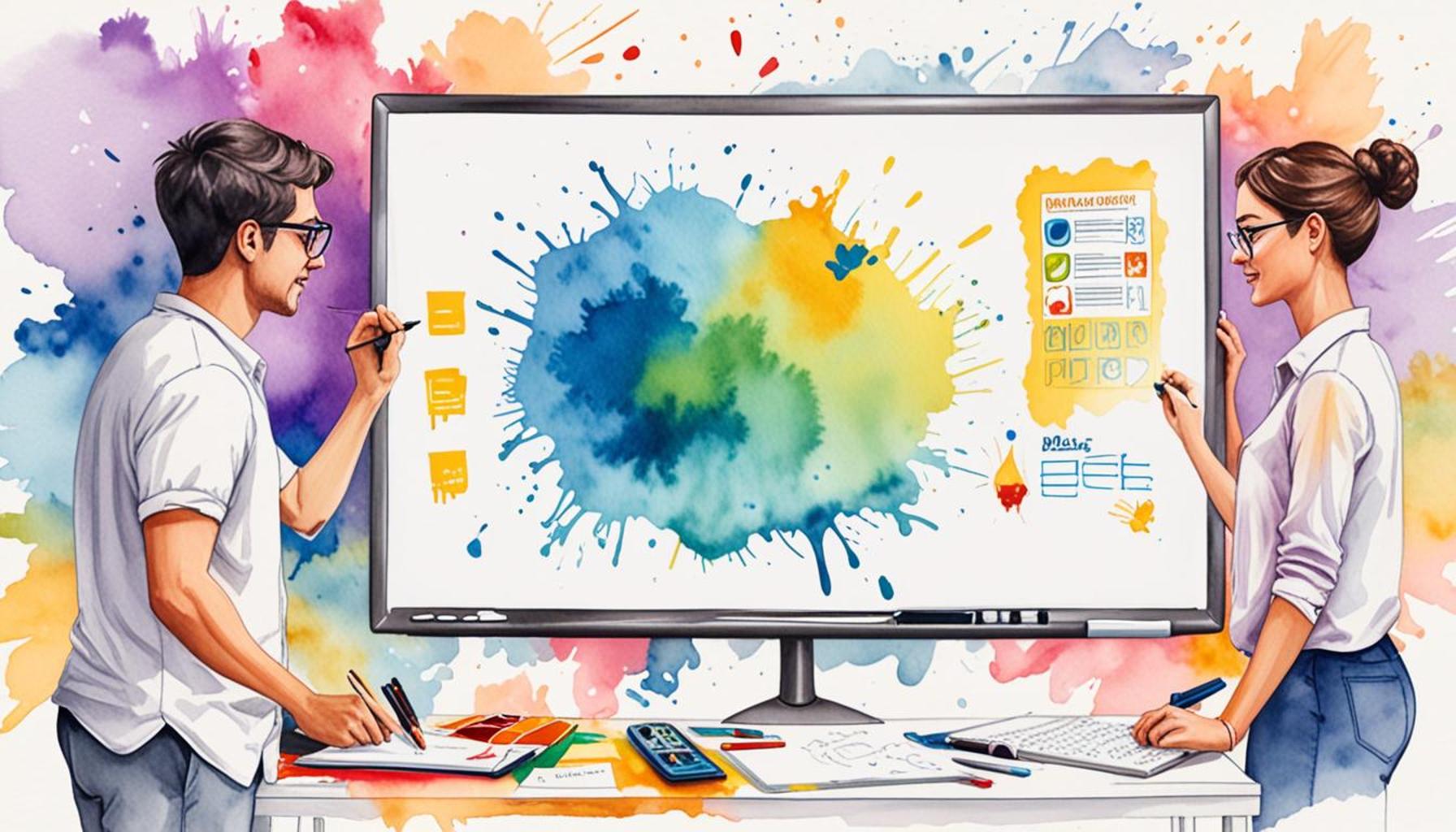
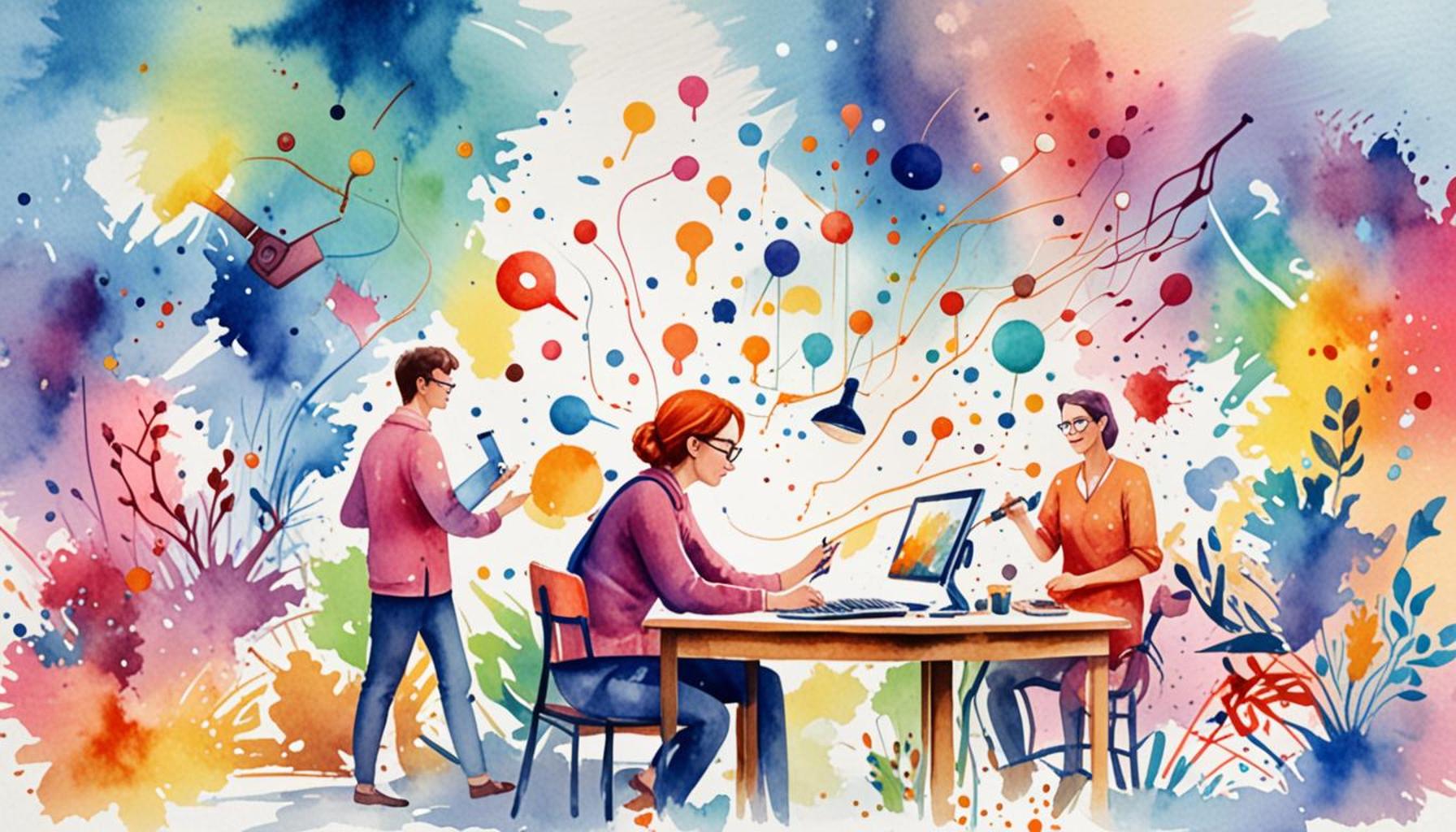
In the evolving landscape of education, gamification stands out as a vibrant, engaging approach to skill acquisition. This dynamic method integrates game-design elements in non-game contexts, transforming mundane learning experiences into interactive adventures. It emphasizes immersion, participation, and competition, fostering a learning environment that not only captures attention but also encourages collaboration and creativity.
Imagine a classroom where students earn points, badges, or unlock levels as they master new concepts. Such a setting may resemble a video game, where every milestone achieved is celebrated, and each challenge overcome is a step toward deeper comprehension. The power of gamification lies in its ability to create a sense of achievement and purpose, allowing students to visualize their progress in a tangible way.
Here are some key benefits of incorporating gamification in education:
- Increased Engagement: Gamification captures attention like nothing else, motivating learners to participate actively. For instance, a study conducted by the University of Colorado Boulder found that gamified learning environments significantly increased student engagement levels compared to traditional classroom settings.
- Instant Feedback: Immediate rewards allow for quick adjustments in learning strategies, promoting a deeper understanding of material. When students receive feedback in real time—such as points awarded for correct answers—they are more likely to modify their approaches to learning challenges.
- Retention Boost: The fun factor enhances memory, making it easier to recall information. Psychological research indicates that students retain 20% more information when learning is game-oriented, as opposed to conventional pedagogical methods.
Various tools are leading this innovative shift in education. Popular platforms include:
- Kahoot! – A game-based learning platform that transforms quizzes into multiplayer competitions. It supports interactive learning by creating an engaging atmosphere where students eagerly anticipate answers and strive for leaderboard positions.
- Classcraft – A role-playing game that encourages teamwork and healthy competition among students. By allowing students to take on character roles, it promotes a supportive learning community where they can accomplish tasks together, thus improving social dynamics.
- Know Yourself – A platform that gamifies self-assessment to help individuals track and improve their skills. This tool fosters self-directed learning and accountability, allowing users to set personal goals and measure their progress in a fun, engaging manner.
As gamification reshapes the educational experience, it opens doors to creative, personalized learning paths. Teachers can tailor their lessons to meet students’ diverse needs through interactive elements, making learning more relevant and enjoyable. In a world where knowledge is paramount, exploring how these tools can enhance skill acquisition is more important than ever. The potential of gamification in transforming educational experiences presents an exciting frontier for educators, students, and lifelong learners alike, encouraging inquiry and exploration in ways that traditional methods often fail to inspire.
DISCOVER MORE: Click here to enhance your learning experience
Innovative Tools Revolutionizing Learning Through Gamification
As the educational landscape shifts towards more interactive methodologies, the implementation of gamification has emerged as a transformative force in skill acquisition. Various tools are enabling educators to inject fun into learning, fostering enthusiasm and curiosity among students. These tools harness the fundamental principles of gaming—challenge, reward, and social interaction—to create engaging educational experiences. Let’s delve into how these innovative platforms are reshaping the way knowledge is imparted and acquired.
At the forefront of this movement is Kahoot!, a platform that takes traditional quiz frameworks and turns them into high-energy competitions. With visually appealing graphics and catchy tunes, teachers can create quizzes that not only assess knowledge but also create a sense of urgency and excitement. Participants can compete against their peers in real-time, turning even a simple review session into an exhilarating challenge. Research from Stanford University highlights that students are nine times more likely to be engaged in their learning environments when elements of competition are introduced, validating Kahoot!’s effectiveness.
Another compelling tool reshaping educational dynamics is Classcraft. This platform gamifies the classroom by allowing students to assume character roles within a tailored RPG (role-playing game) framework. Here, academic tasks translate into quests, enabling collaboration and teamwork. Students earn experience points for positive behavior and academic achievements, elevating the nature of classroom participation. By integrating narratives and character progression into learning, Classcraft not only nurtures cooperative skills but also enhances personal accountability, having been shown to reduce behavioral issues in schools by as much as 44%.
Additionally, tools like Know Yourself are encouraging self-directed learning through gamification. This platform allows learners to embark on self-assessment journeys, where they can gamify their skill acquisition process by setting personal goals and tracking their progress. Each milestone achieved can be celebrated with virtual rewards, making the learning journey both structured and enjoyable. This approach aligns with findings from the American Psychological Association, which suggest that self-assessment tools improve learner engagement and motivation, leading to higher success rates in skill mastery.
The benefits of these gamified learning tools are vast and undeniable:
- Enhanced Collaboration: Students are encouraged to work together, breaking down barriers in social dynamics and creating a more cohesive learning environment.
- Motivational Framework: A gamified approach redesigns the entire notion of achievement from a standard measure to an engaging, milestone-driven journey.
- Adaptable Learning Styles: These tools accommodate different learning styles, allowing educators to cater to the individual needs of each student effectively.
As educational institutions continue to explore the incorporation of gamification, the potential to reshape traditional learning experiences becomes increasingly realized. Teachers are empowered to transcend conventional standards, engaging students not just in knowledge acquisition, but in journeys that are fundamentally enjoyable. As the narrative of education evolves, the ongoing exploration of these tools is essential for fostering environments that celebrate creativity, exploration, and ultimately, skill mastery.
| Gamified Learning Tools | Advantages |
|---|---|
| Interactive Quizzes | Boosts engagement through personalized learning experiences and immediate feedback. |
| Leaderboards | Encourages healthy competition among learners, driving them to improve their skills consistently. |
| Virtual Simulations | Enhances real-world application of skills, allowing users to practice in a risk-free environment. |
| Rewards and Badges | Motivates users by recognizing their achievements and progress, thus enhancing user retention. |
As we delve deeper into the world of gamification in learning, it becomes evident that these tools are not just trendy; they are powerful pedagogical techniques. Interactive quizzes stand out as a cornerstone, creating an immersive environment where learners feel compelled to engage more deeply with the content. The immediate feedback provided helps in correcting misconceptions and reinforcing knowledge in real-time. On the other hand, leaderboards introduce an exciting layer of friendly competition. Learners are driven not only by personal growth but also by the desire to outperform others, leading to a dynamic educational atmosphere. Virtual simulations take this concept a step further, bridging the gap between theoretical knowledge and practical application, thus ensuring learners are well-prepared for real-life challenges. Finally, rewards and badges serve to acknowledge accomplishments, fostering motivation and commitment. Each tool plays a pivotal role in making skill acquisition not just effective, but also enjoyable.
DISCOVER MORE: Click here to unlock your potential
Engaging Learning Experiences Through Gamified Platforms
Building on the momentum of tools like Kahoot! and Classcraft, the realm of gamification in learning is further enriched by a variety of other platforms that offer unique experiences. One such tool, Quizizz, is making waves in educational settings across the United States. This platform combines self-paced quizzes with an interactive game environment where students can compete solo or in teams. What sets Quizizz apart is its adaptability; students can play on their own devices at their own pace while answering questions. Additionally, educators can personalize quizzes by integrating memes and reference materials, allowing for a context-rich learning experience. The ability to gamify assessment not only elevates engagement, but also allows instructors to receive real-time feedback on student comprehension.
Moreover, the platform Duolingo reflects how gamification can extend beyond conventional classrooms into self-directed learning. Targeting language acquisition, Duolingo employs game-like features such as points, levels, and streaks to motivate learners. The element of daily practice is encouraged through a competitive ranking system among friends, making the process of language learning engaging and habit-forming. According to studies, learners who utilize gamified platforms like Duolingo exhibit a 34% increase in their language acquisition speed compared to traditional methods. The app has expanded to over 30 languages, making it a go-to resource for students and professionals looking to broaden their linguistic repertoire.
A particularly innovative example is Prodigy Math, which gamifies mathematics for students from grades 1-8. Players embark on quests and solve math problems to progress through the game. The adaptive learning feature in Prodigy ensures that questions are tailored to individual student’s learning levels, making it uniquely effective for skill development. With over 90 million users worldwide, Prodigy shows the potential of gamified educational tools to spark interest in subjects often viewed as challenging. This marks a significant shift in how math can be perceived—transforming it from a rote learning method into an engaging experience.
Furthermore, Badges and Leaderboards have become popular elements in various educational frameworks, motivating students by showcasing accomplishments and providing a tangible sense of achievement. Platforms that allow for badge systems create a visual representation of skills mastered, which not only instills a sense of pride but encourages continuous efforts. Research indicates that learners exposed to visual gamification elements tend to achieve up to 30% higher performance scores. These badges instill intrinsic motivation, reminding students of their capabilities while encouraging friendly competition.
In the domain of virtual reality, tools like Immersive VR Education are also paving the way for gamification in skills training and more traditional educational contexts. By simulating real-world scenarios, learners can explore complex subjects like history through immersive experiences. Imagine walking through ancient Rome or experimenting with physics in a virtual lab—the educational implications are endless. Studies show that immersive learning environments can enhance retention rates by up to 75%, proving that experience-based learning can be both effective and enjoyable.
As we explore these diverse platforms and tools, it becomes evident that gamification is not merely a trend, but a fundamental shift in educating and engaging students. The integration of game-based mechanics within learning processes empowers not only educators to reach their students but also encourages students to take ownership of their educational journeys. The landscape of education is brimming with possibilities thanks to these innovative solutions, fundamentally altering how we approach learning in the digital age.
DISCOVER MORE: Click here to learn how to break through your mental barriers
Conclusion: Transforming Education Through Gamification
In summary, the integration of gamification in learning has brought about a transformative approach to skill acquisition that resonates with today’s students. Tools such as Kahoot!, Quizizz, Duolingo, and Prodigy Math illustrate the innovative ways in which game mechanics can be used to foster deeper engagement and motivation. These platforms not only enhance the educational experience but also promote personalized learning paths, making education more accessible and enjoyable for all learners.
The compelling nature of gamified education extends far beyond surface-level engagement. Research indicates notable increases in performance and retention, with findings showing that immersive environments can enhance retention rates by up to 75%. This evidence underscores the significance of gamification in supporting diverse learning styles and encouraging intrinsic motivation through visible achievements like badges and leaderboards.
As we continue to navigate the digital era, it is crucial for educators and institutions to embrace these gamified tools. By adopting these innovative solutions, they can create enriching learning environments that cater to dynamic educational needs. Ultimately, the shift towards gamified learning reflects a broader understanding that education should not only inform but also inspire—a sentiment echoed in the growing interest towards interactive and engaging learning experiences.
To explore the future possibilities that gamification holds for education, educators, learners, and stakeholders alike are encouraged to delve deeper into this evolving landscape. The potential for growth, engagement, and meaningful skill acquisition may very well depend on how effectively we weave playful learning into our educational strategies.