
The Benefits of Using Mind Mapping Software for Independent Skill Development
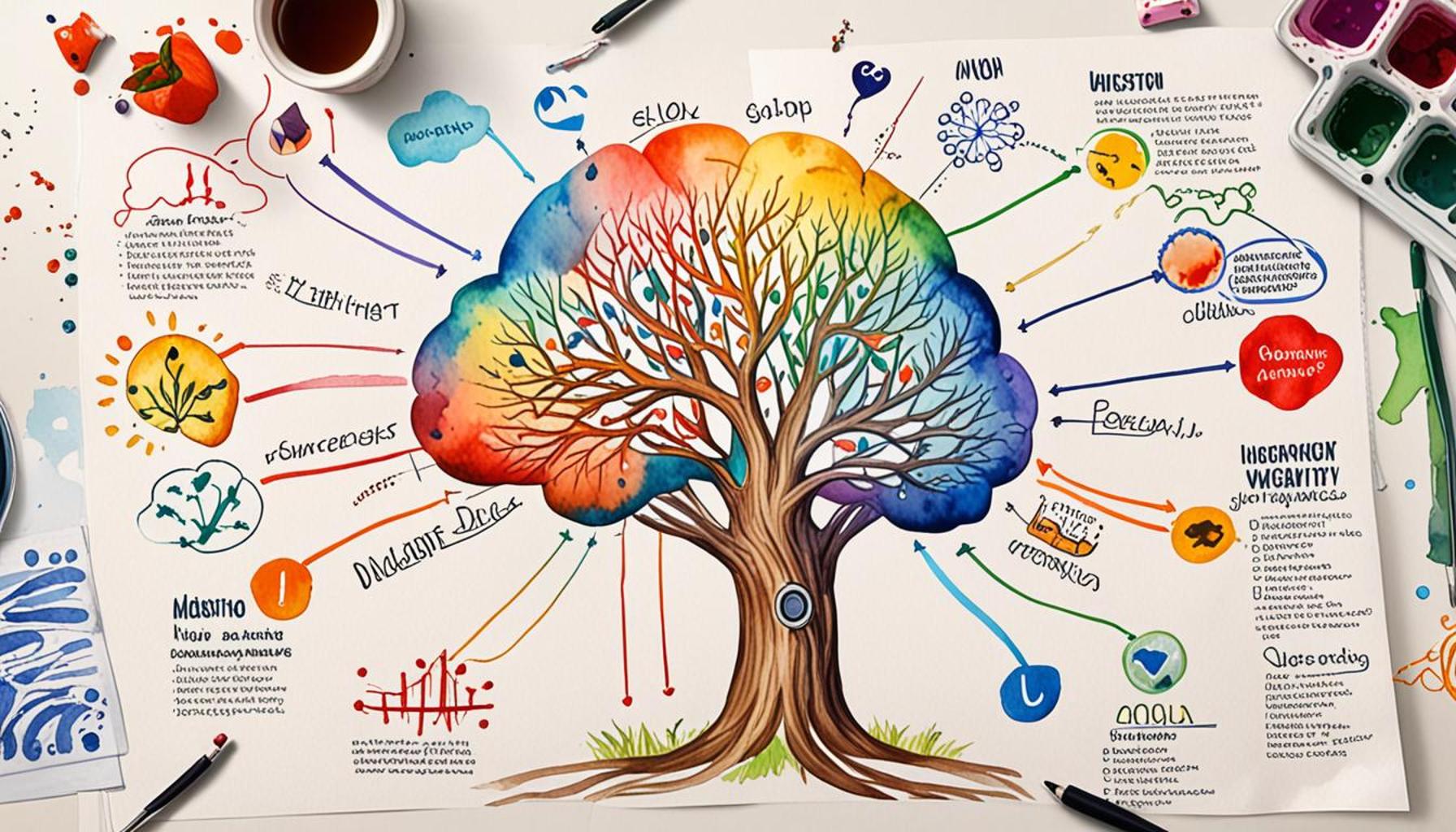
Unlocking Your Potential with Mind Mapping Software
In an era where information overload is rampant, effective learning techniques have never been more crucial. Mind mapping software emerges as a powerful tool for independent skill development, helping individuals visualize their thoughts and organize information efficiently. This innovative approach not only enhances creativity but also streamlines the learning process, making it easier for users to absorb and retain complex information.
Consider the unique benefits that mind mapping software offers:
- Enhanced Visualization: Mind mapping software allows users to transform complex ideas into clear, structured diagrams that illustrate connections and hierarchies. For instance, a university student studying biology can create a mind map linking topics such as cell structure, metabolism, and genetics, facilitating better understanding of how these concepts interact.
- Improved Memory Retention: By leveraging visual cues, such as colors and images, mind mapping enhances memory recall. Research has shown that information presented visually can be up to 65% more memorable than traditional text-based methods. A professional preparing for a presentation can use mind mapping to organize key points visually, making it easier to remember and convey their message.
- Increased Productivity: Mind mapping software helps boost focus and reduces time spent on traditional note-taking methods. With a clear visual layout, individuals can discern priorities quickly and streamline their efforts. Take, for example, an entrepreneur developing a business plan; by mapping out ideas and strategies visually, they can pinpoint challenges and solutions more efficiently than with linear notes.
For learners of all ages—be it students tackling academic challenges, professionals honing their skills, or hobbyists exploring new interests—mind mapping software adapts to various disciplines. A high school student preparing for a history exam might find value in creating a timeline mind map, while a graphic designer can enhance their creative process by visualizing their inspirations and project requirements.
Exploring the practical applications of mind mapping further reveals its versatility. For project management, team members can collaborate on a shared mind map to brainstorm ideas and establish project timelines. Individuals seeking personal development can map out their goals, breaking them down into actionable steps and tracking their progress over time.
As we delve deeper into how mind mapping can facilitate independent skill development, you will discover practical applications, tips, and recommended software that can help harness this powerful technique. Popular tools such as XMind and MindMeister offer user-friendly interfaces, making it easy for anyone to begin their mind mapping journey. Prepare to elevate your learning experience and unlock new horizons, allowing you to not only organize your knowledge but also foster a deeper understanding of the subjects that inspire you.
DIVE DEEPER: Click here to discover more
Unleashing Creativity and Clarity
Mind mapping software serves as more than just a digital tool; it acts as a catalyst for creativity and clarity in independent skill development. By allowing users to visually organize their thoughts and ideas, these applications effectively transform abstract concepts into concrete visuals that enhance understanding and application. The process of creating a mind map itself stimulates divergent thinking—encouraging learners to explore multiple pathways and connections within their subject matter.
One critical advantage of mind mapping software is its ability to tap into the natural learning styles of individuals. Research indicates that around 65% of the population are visual learners, meaning they grasp information better when it is presented in a visual format. This is where mind mapping software shines, as it seamlessly integrates images, colors, and structured layouts to facilitate the learning process. For instance, a marketing professional studying consumer behavior can visually map different theories and case studies, making intricate relationships easier to digest.
Maximizing Engagement Through Interactivity
In the traditional learning environment, passive reading and note-taking can lead to disengagement and diminished retention. Mind mapping software revolutionizes this experience by offering interactive features such as hyperlinks, annotations, and collaborative options. This interactivity not only keeps users engaged but also promotes a deeper exploration of the subject matter. For example, a college student researching a thesis topic can incorporate links to relevant articles and studies within their mind map, enriching their understanding while keeping everything organized in one accessible location.
Additionally, mind mapping software enables users to experiment with a variety of templates tailored to different learning needs. These templates can serve as a launching pad for users looking to address specific skills or objectives. Common templates include:
- Project Planning: Useful for individuals or teams outlining projects, helping clarify goals and deadlines.
- Brainstorming Sessions: An excellent choice for creative thinkers who need to generate and organize ideas rapidly.
- Study Guides: Perfect for students who want to condense their learning materials into a visual format that reflects their understanding.
- Goal Tracking: Ideal for those focused on personal development, allowing them to visualize their objectives and the steps needed to achieve them.
When individuals engage with their learning through such dynamic tools, they are more likely to stay motivated and committed to their personal growth. Furthermore, the satisfaction of seeing one’s thoughts and ideas take shape visually adds an element of accomplishment to the process, fostering a sense of ownership over one’s learning journey.
In the subsequent sections, we will explore specific features and functionalities that make different mind mapping software unique, along with tips on best practices for maximizing their benefits in independent skill development. Whether you are a student, a professional, or an enthusiast striving to enhance your knowledge, understanding these advantages can propel you toward enriching your learning experience.
The Benefits of Using Mind Mapping Software for Independent Skill Development
In an era where information is abundant and time is precious, mind mapping software has emerged as a revolutionary tool for individuals seeking to enhance their skill development independently. This software facilitates the visual structuring of information, allowing users to explore concepts more freely and creatively without the hindrance of traditional linear methods. Below is a table that highlights the key advantages of using such software in your learning journey:
| Advantages | Impact on Skill Development |
|---|---|
| Enhanced Visualization | Users can create stunning visual maps that simplify complex ideas, enabling easier retention and recall. |
| Organizational Skills | Mind mapping fosters an organized approach to learning, encouraging users to break down large tasks into manageable segments. |
| Promotes Creativity | The software encourages brainstorming and creative thinking, allowing users to explore innovative solutions in their skill development. |
| Collaboration Features | Many tools offer real-time collaboration, enabling users to share mind maps and collaborate with peers, thus enhancing their learning experience. |
As individuals increasingly seek methods to self-direct their learning, mind mapping software provides the necessary tools to navigate this journey effectively. By leveraging these advantages, users not only establish a more profound understanding of their subjects but also cultivate skills that are essential in today’s rapidly changing world. Embrace mind mapping and unlock your full potential in skill development!
EXPLORE MORE: Click here to enhance your self-directed practice
Enhancing Focus and Organization
The use of mind mapping software significantly enhances focus and organization, two critical elements in effective independent skill development. By providing a structured framework for breaking down complex subjects into manageable components, these tools help individuals prioritize their learning objectives. The visual layout of a mind map aids in highlighting the relationships between various aspects of a topic, enabling users to identify key themes and critical knowledge areas that require closer attention.
For example, a software engineer looking to learn a new programming language can create a mind map that outlines the fundamental concepts, syntax rules, and project ideas. This hierarchical organization not only allows for better retention of information but also helps in identifying gaps in knowledge. By visually mapping out the entire scope of learning, users can maintain their focus on specific areas without getting overwhelmed by the breadth of the subject. Research shows that when learners have a clear visual representation of their educational goals, they are significantly more likely to stay on track and achieve those goals.
Adaptability to Various Learning Contexts
One of the standout features of mind mapping software is its adaptability to diverse learning contexts and subjects. Whether in academia, professional settings, or personal projects, mind maps can be tailored to fit the needs of the learner. For students, a mind map can simplify note-taking during lectures, transforming dense information into easy-to-follow visuals. Professionals may use mind maps for team collaborations or presentations, where complex ideas must be conveyed clearly and effectively. This flexibility makes mind mapping software a versatile tool for anyone seeking to foster independent skill development.
Moreover, many mind mapping applications offer integration with various digital platforms, further enhancing their utility. For instance, users can link their mind maps to cloud storage services like Google Drive or project management tools such as Trello. This seamless integration not only saves time but also facilitates collaborative learning experiences, where users can invite others to contribute to their mind maps, thus expanding their knowledge base through social learning.
Fostering Retention and Recall
Another significant advantage of utilizing mind mapping software is the enhancement of information retention and recall. According to cognitive science, visual information is processed more efficiently than verbal data, making mind maps an effective learning aid. As learners organize and engage with information visually, it becomes easier to recall what they’ve studied during assessments or practical applications.
In a real-world application, consider a business professional preparing for a critical presentation. By creating a mind map that outlines key points and supporting data visually, they can stimulate their memory during the live setting, reducing dependence on notes. This technique not only helps in delivering a confident presentation but also solidifies learning outcomes as the professional internalizes the information they’ve mapped out.
In essence, mind mapping software empowers learners across various domains to cultivate their skills through enhanced focus, organization, adaptability, and improved retention. As we explore further, we will delve into the specific features that differentiate various mind mapping tools and how users can maximize their effectiveness to elevate their independent skill development journey. This exploration will highlight real-world applications, user testimonials, and recommendations to ensure learners harness the full potential of mind mapping software.
DIVE DEEPER: Click here to discover more
Conclusion: Unlocking Potential Through Mind Mapping
In summary, the use of mind mapping software offers a plethora of benefits for individuals pursuing independent skill development. From enhancing focus and organization to fostering improved retention and recall, these tools create an environment conducive to effective learning. As learners break down complex topics into visual representations, they not only enhance their understanding but also boost confidence in their ability to grasp new concepts.
The versatility of mind mapping software makes it an ideal asset across various contexts, whether it involves academic learning, professional growth, or personal projects. By seamlessly integrating with digital platforms and facilitating collaborative learning experiences, it invites users to expand their horizons and deepen their knowledge base. As this article has explored, the adaptability of mind maps coupled with their visual learning advantages positions them as an ideal tool for self-directed education.
Ultimately, as more individuals turn toward independent skill development in our fast-paced, constantly evolving world, harnessing the full potential of mind mapping software will be crucial. Not only does it offer a structured pathway for learning, but it also encourages creativity and critical thinking—skills that are invaluable in today’s competitive landscape. As we embrace this technology, the possibilities for enhanced learning and skill mastery are boundless, empowering users to achieve their dreams and aspirations.