
Exploring the Use of Online Whiteboards for Collaborative Skill Development
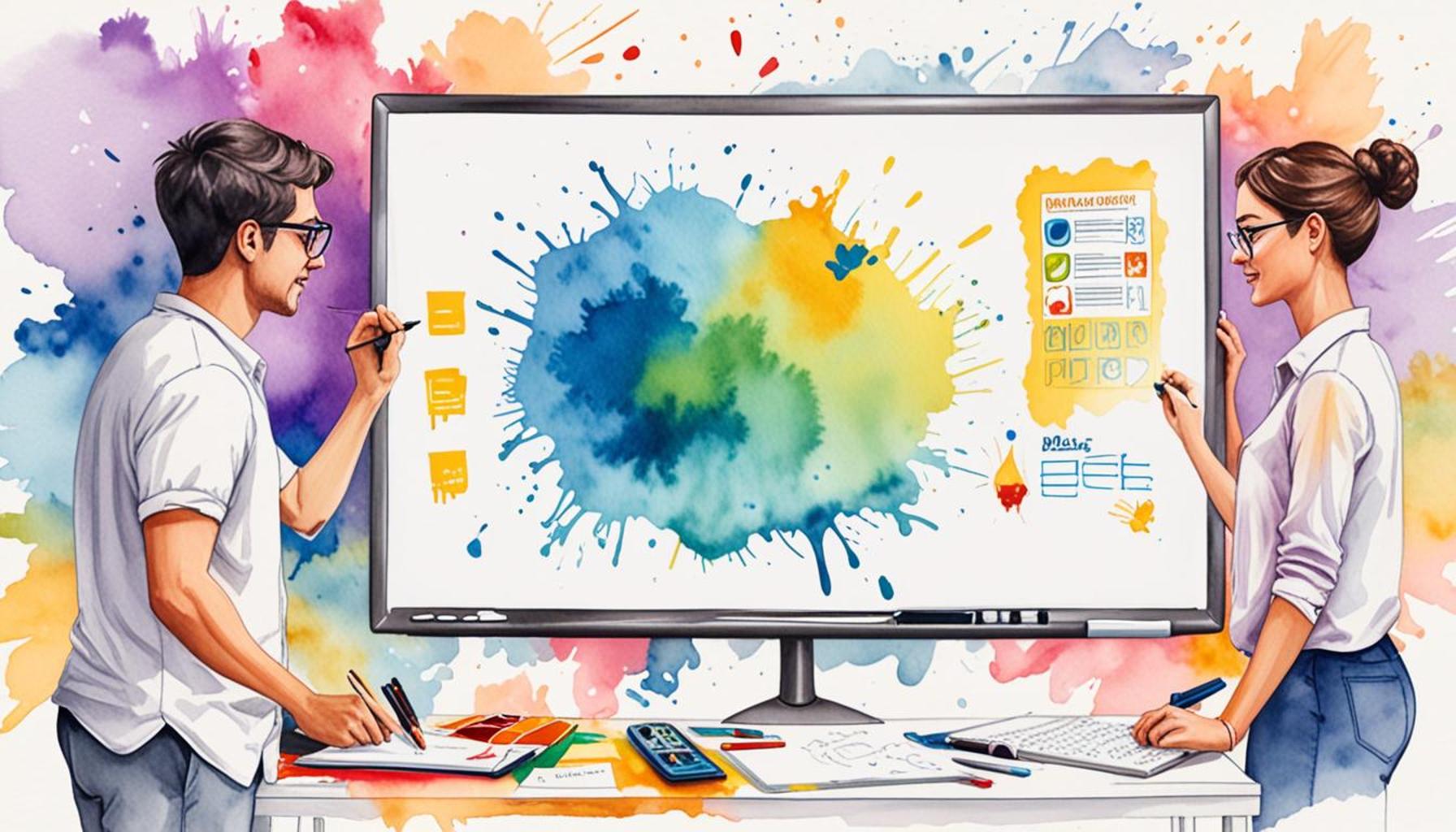
Unlocking Collaborative Potential
The advent of technology has transformed how we approach collaborative skill development. Online whiteboards have emerged as innovative tools that foster teamwork and creativity across various domains. These digital canvases allow individuals and teams to brainstorm, plan, and execute ideas in a spatial, visual format that enhances interaction and participation. As we delve into this digital frontier, it’s crucial to understand the myriad of benefits they offer.
Key Advantages of Online Whiteboards
- Real-time collaboration: Multiple users can interact simultaneously, making brainstorming sessions dynamic and effective. For instance, teams working remotely can gather on platforms like Miro to share their thoughts instantly, allowing for quick adjustments and improvements in their ideas.
- Visual learning: Users can illustrate ideas through drawings and diagrams, enhancing comprehension. This is particularly beneficial in educational settings where complex concepts, such as mathematical theories or scientific processes, can be broken down into visual representations, making them easier to grasp.
- Accessibility: Participants can connect from anywhere, breaking geographical barriers. This is a significant advantage for organizations with distributed teams or educators with students in different locations. Imagine a group of students collaborating on a group project, sharing insights and resources without the limitations of physical presence.
- Integration capabilities: Many online whiteboards can sync with other productivity tools for an enhanced experience. For example, platforms often integrate with Google Drive or Microsoft Office, allowing users to pull in documents and resources effortlessly, streamlining the workflow.
These tools are not just for businesses; educators and students are harnessing their capabilities to facilitate learning and skill enhancement. For instance, during the pandemic, online whiteboards became crucial in maintaining educational engagement, demonstrating their versatility and utility. Numerous platforms exist, each offering unique features tailored to various collaborative needs, helping to accommodate diverse learning styles and preferences.
Exploring Popular Platforms
Platforms like Miro, Microsoft Whiteboard, and Jamboard are leading the charge, each with distinct functionalities that cater to varying requirements. Miro boasts a plethora of templates, ideal for design thinking workshops, while Microsoft Whiteboard integrates seamlessly with the Office suite, making it easy for existing Microsoft users. Jamboard, developed by Google, provides an intuitive interface that allows users to incorporate images, videos, and other Google Suite tools easily. Understanding how these tools operate will empower users to maximize their effectiveness in skill development initiatives.
As you explore the transformative potential of online whiteboards, consider how these tools can reshape collaboration in your environment. They not only enhance productivity but also make the learning experience more engaging and interactive. The journey into the digital landscape of collaborative education is just beginning, and the possibilities are as limitless as the creativity of the users themselves.
DISCOVER MORE: Click here for insights

Harnessing Digital Collaboration for Skill Growth
In today’s fast-paced digital landscape, traditional methods of collaboration are increasingly being upended by interactive online platforms, particularly online whiteboards. These tools are not just reshaping team dynamics; they are revolutionizing the way individuals approach skill development in various fields. By facilitating seamless communication, online whiteboards create an environment where ideas can flow freely, enabling users to absorb and develop skills collaboratively. This new paradigm allows learners and professionals alike to engage in a process that is not only productive but also appealing and dynamic.
Boosting Engagement Through Visual Interaction
The integration of visual elements in learning environments significantly enhances engagement levels. Online whiteboards cater to this need by offering users the ability to create visual representations of their thoughts. This can include everything from sketches and diagrams to infographics and flowcharts, making abstract concepts more tangible and easier to understand. For instance, a team of graphic designers can visually map out their brainstorming sessions on Miro, allowing them to explore various design concepts before finalizing their ideas.
Consider the educational applicability; educators in the United States are finding immense value in these digital whitespaces for enhanced student interaction. By using platforms like Jamboard, teachers can illustrate complex theories visually, helping students visualize relationships and processes. Research shows that students retain information better when engaged in visual learning, ultimately leading to greater proficiency in the subject matter.
Transformative Features of Online Whiteboards
Online whiteboards come equipped with a multitude of features designed to elevate collaborative skill development. Some of the most impactful features include:
- Template Variety: Most platforms offer a selection of pre-designed templates that cater to different subject matters and project types. This can help streamline processes and provide users with a structured framework for their collaborative efforts.
- Interactive Tools: Users can use sticky notes, draw shapes, and even add comments in real time, making the generation of ideas more fluid and accessible.
- Easy Sharing and Exporting: The ability to share boards easily or export them as documents fosters an environment of transparency, allowing team members to review and offer feedback on their peers’ contributions outside the live sessions.
- Multimedia Capabilities: Integrating images, videos, and links enhances discussions. This is particularly useful when diving into complex subjects that benefit from supplementary visual materials.
Utilizing these features not only aids in skill development but also equips users with the tools necessary to navigate the complexities of modern work environments. As collaborative skills become increasingly valued, understanding how to leverage online whiteboards can set individuals apart in the competitive landscape of today’s job market.
As we venture deeper into the world of online collaborative tools, it becomes essential to grasp the potential they hold for enriching skill development. The blend of creativity, interaction, and accessibility is not just a trend but a fundamental shift in how we learn and grow together in various professional landscapes.
Advantages of Online Whiteboards in Collaborative Learning
As educational approaches evolve, online whiteboards are becoming a pivotal tool in fostering collaborative skill development. These digital platforms not only streamline communication but also enhance engagement and creativity among participants. Through visual representation, learners can articulate ideas better and share knowledge dynamically. Below are some key advantages:
| Collaboration Tools | User Engagement |
|---|---|
| Real-time Updates | Interactive Learning Experience |
| Multimedia Integration | Enhanced Retention of Information |
| Cross-Platform Access | Increased Accessibility for All |
Utilizing these tools can significantly improve group dynamics and ensure that every participant can contribute meaningfully. By engaging with a diverse range of resources, learners can expand their understanding of complex topics. Platforms that support collaborative brainstorming and feedback loops further enrich the educational experience, allowing learners to develop crucial communication skills that are highly valued in today’s workplace.
As more institutions adopt online whiteboard solutions, understanding their benefits becomes essential for educators and students alike. These tools not only facilitate knowledge sharing but also foster a sense of community and belonging within remote and hybrid learning environments.
DIVE DEEPER: Click here to discover how to boost your motivation
Navigating Challenges in Collaborative Learning
While online whiteboards offer remarkable opportunities for collaborative skill development, they also present specific challenges that users and organizations must navigate. Understanding these hurdles is essential for maximizing the advantages of these tools.
Adopting Technological Proficiency
Harnessing the full potential of online whiteboards requires a certain level of technological proficiency among users. Not every participant in a collaborative environment is equally tech-savvy; therefore, discrepancies in digital skills can create uneven contributions during team projects. For example, seasoned professionals may create intricate diagrams on platforms like Miro with ease, while novices might struggle with basic functionalities. Organizations seeking to utilize online whiteboards for collaborative skill development may need to invest time in training sessions to level the playing field.
Furthermore, targeted training can ensure that all team members are familiar with the tools and can utilize them effectively. By offering structured tutorials or workshops focused on specific features, organizations can empower their workforce, ultimately fostering a more inclusive and effective collaborative environment.
Addressing Communication Barriers
Another challenge that arises is the potential for communication barriers in a virtual setting. While online whiteboards promote visual collaboration, the lack of face-to-face interaction can sometimes lead to misunderstandings or a lack of engagement. This is particularly relevant in diverse teams where members come from different backgrounds and might exhibit varied communication styles. To mitigate these risks, teams can adopt strategies such as establishing clear guidelines for communication, regularly scheduling check-ins, and encouraging active participation from all members.
Utilizing integrated chat functions or video conferencing tools alongside online whiteboards can also enhance the communication experience. The combination of visual and verbal interaction allows participants to clarify their thoughts in real-time, ensuring comprehensive understanding and minimizing the likelihood of miscommunication.
Balancing Creativity with Structure
Online whiteboards can introduce a flood of creativity, yet they pose the challenge of maintaining a structured approach. Teams might find it easy to deviate from the original agenda, leading to brainstorming sessions that become overwhelming rather than focused. This is where the role of facilitation becomes crucial. Effective facilitators can guide discussions, ensure that topics are addressed, and strategically steer creativity towards actionable outcomes.
One way to instill a balance between creativity and organization is through incorporating a framework for brainstorming sessions. For instance, teams could allocate time segments for free idea generation followed by structured decision-making. By rotating between these modes, participants can harness their creative instincts while simultaneously refining ideas for practical application.
Utilizing Data Analytics for Continuous Improvement
As organizations increasingly rely on online whiteboards, leveraging data analytics can play a pivotal role in enhancing collaborative skill development. By analyzing usage patterns, engagement levels, and contributions, organizations can identify areas that require improvement. For example, if certain members consistently engage more than others, it may signal the need for targeted interventions or support for disengaged participants.
Tools like Miro and Trello often provide analytics dashboards that present valuable insights. Teams should regularly review these metrics and reflect on their collaborative processes. This data-driven approach ensures not only continuous improvement in collaborative techniques but can also inform future training programs aimed specifically at skill gaps identified through analytics.
By acknowledging and addressing these challenges, organizations can transform online whiteboards from simple digital canvases into powerful platforms for collaborative skill development. As the landscape of teamwork evolves, so too must our strategies to ensure that every participant can contribute, learn, and grow effectively.
DIVE DEEPER: Click here for more insights
Conclusion: Unlocking Potential through Online Whiteboards
In the rapidly evolving landscape of remote work and digital collaboration, online whiteboards stand out as transformative tools that enhance collaborative skill development. By fostering an environment where creativity thrives, communication barriers diminish, and structured collaboration is achieved, these platforms pave the way for effective teamwork in the modern world.
As identified in our exploration, the integration of online whiteboards does not come without its challenges. However, by prioritizing technological proficiency among team members through dedicated training and support, organizations can ensure that all participants are equipped with the skills necessary to engage meaningfully. Additionally, addressing communication barriers by utilizing complementary tools can create an inclusive atmosphere that motivates each individual to contribute actively.
Furthermore, balancing creativity with structure is essential for productive outcomes. By implementing frameworks for brainstorming and collaboration, teams can harness their collective innovative potential while remaining focused on actionable goals. Finally, leveraging data analytics to assess engagement and participation provides organizations with valuable insights, allowing them to foster continuous improvement and targeted interventions.
Ultimately, online whiteboards are much more than digital canvases; they are dynamic platforms that can revolutionize the way teams collaborate, learn, and develop essential skills. As we continue to embrace technology in our professional practices, investing in these collaborative tools can unlock unprecedented potential for growth and success. The future of teamwork lies in our ability to navigate these opportunities, making the most of the digital resources at our disposal.