Exploring the Role of Virtual Reality in Self-Taught Skills Acquisition
Revolutionizing Education with Virtual Reality
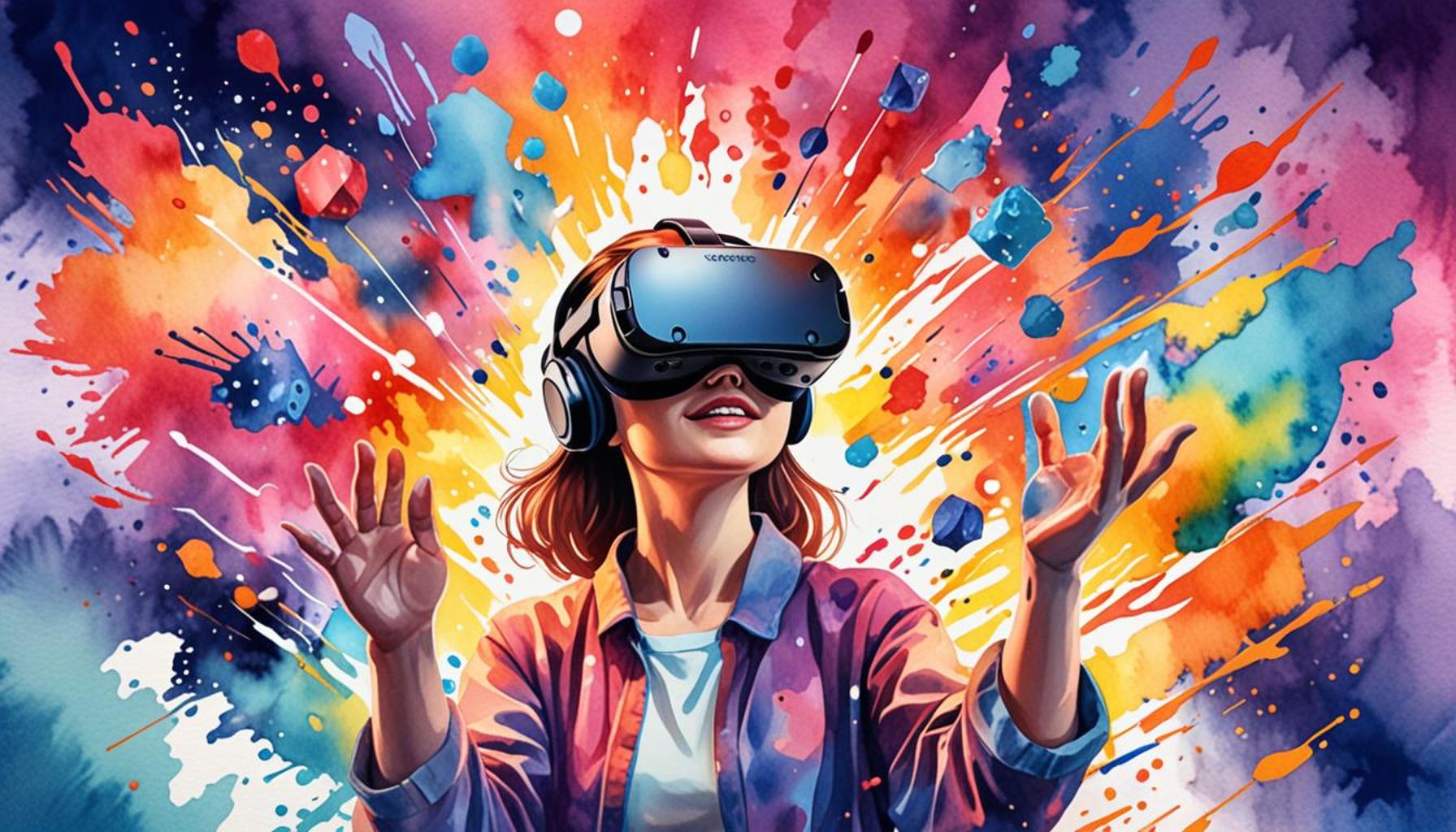
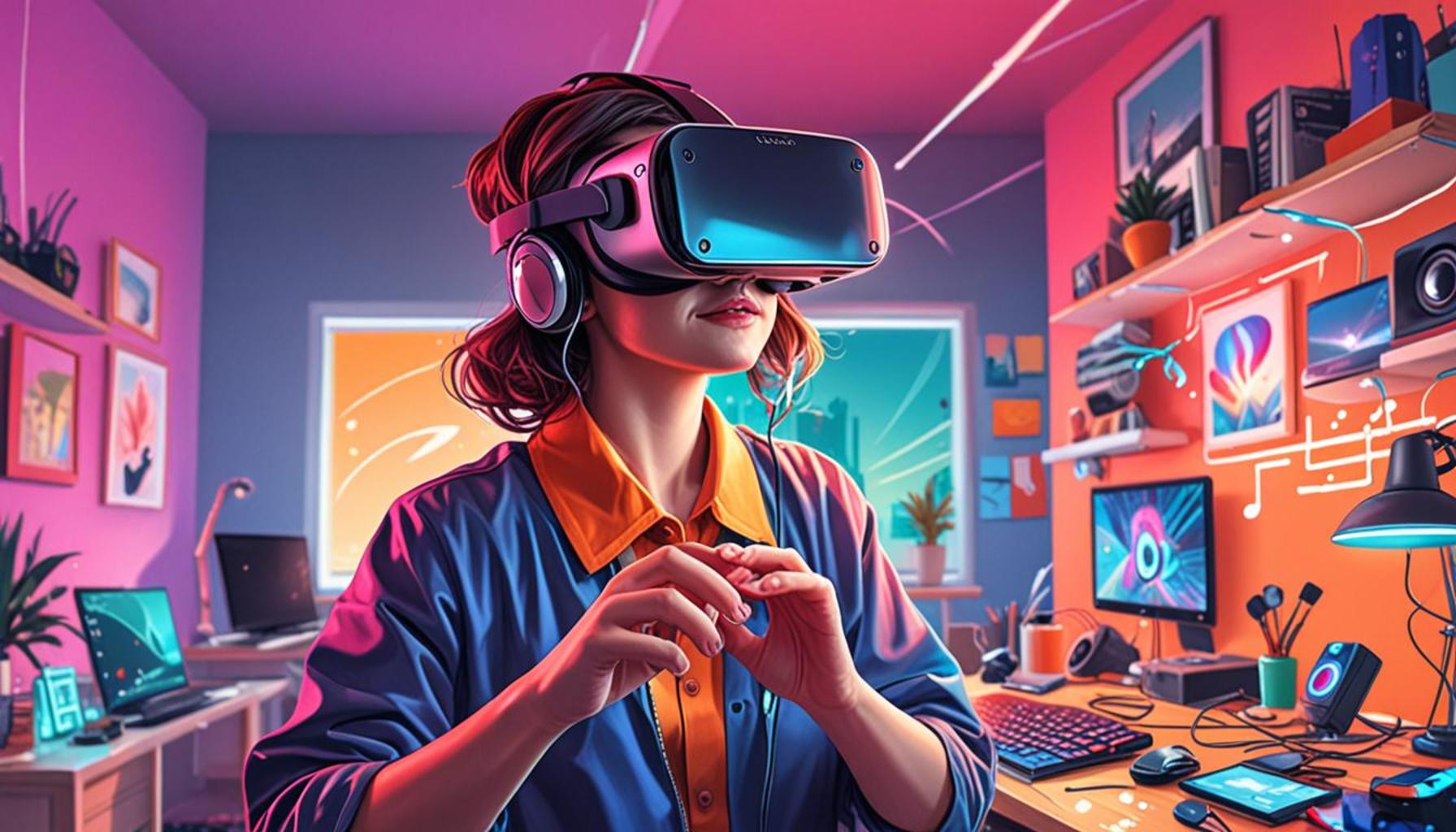
The educational sphere is undergoing a remarkable transformation, largely driven by advancements in technology. At the forefront of this revolution is virtual reality (VR), an innovative tool that reshapes how individuals learn and develop skills. Unlike traditional educational methods, VR creates a deeply engaging environment where learners can immerse themselves in content, significantly enhancing their comprehension and information retention.
In the contemporary world, where information is abundant but time is often limited, self-directed learning has become a cornerstone of personal and professional development. As the demand for flexible and efficient learning methods grows, VR offers a compelling solution. Here are some of the key benefits of utilizing VR for skills acquisition:
- Immersive Experience: VR allows learners to dive into scenarios that mimic real-life situations. For instance, medical students can perform virtual surgeries, gaining practical experience without the risks and consequences associated with actual procedures.
- Real-World Simulations: Safety is a paramount concern, especially in high-stakes professions. VR provides a risk-free space for users to practice everything from complex machinery operation to navigating hazardous environments, building confidence and proficiency.
- Personalized Learning: Every learner is unique, and VR can tailor educational experiences to meet individual needs. Imagine a student who struggles with math; VR can present interactive problems that adapt in difficulty based on the learner’s responses, allowing for a customized pace and approach.
These advantages signify just the beginning of what VR can achieve in the realm of self-directed learning. Acknowledging its potential, educational institutions and industries are increasingly integrating virtual reality into their training programs. For example, companies like Walmart utilize VR for employee training, from customer service techniques to the setup of their stores, ensuring new hires feel prepared and knowledgeable.
This article will further explore various applications of VR across different fields, such as engineering, art, and even language acquisition, demonstrating how it fosters creativity and enhances technical competencies. By investigating the profound impact of VR on learning practices, we encourage you to reflect on its implications for your own educational journey. What new possibilities could VR unlock for you in pursuit of knowledge and skills?
As this technology continues to advance, its integration into our everyday learning experiences seems inevitable. With each innovation, the opportunity to redefine education expands, promising a future where learning knows no boundaries.
DISCOVER MORE: Click here to learn how reflection fuels motivation
The Expanding Horizon of VR in Self-Directed Learning
Virtual reality (VR) has firmly established itself as a transformative tool in the realm of self-taught skills acquisition, significantly enriching how individuals approach and master new competencies. With the flexibility and accessibility inherent in self-directed learning, the integration of VR offers an unparalleled opportunity to grasp complex subjects more intuitively. One of the standout attributes of VR is its ability to create highly interactive environments that can mimic real-world tasks and challenges.
Consider the evolution of learning mechanics. Traditional methods often involve passive consumption of information through lectures and textbooks. In contrast, VR invites active participation, compelling learners to engage in hands-on practice. This is particularly beneficial in fields where physical presence and tactile experience play crucial roles, such as:
- Healthcare: Aspiring doctors and nurses can engage in simulations that provide an accurate, risk-free depiction of surgical procedures, patient interactions, and emergency response situations. VR serves as an effective training ground, ensuring that learners can refine their skills before entering clinical environments.
- Engineering: Engineering students can utilize VR to explore complex machinery and structural designs. By constructing virtual models and conducting simulations, they can visualize and manipulate objects in a 3D space, enhancing understanding and creativity.
- Artistic Development: Artists and designers can explore new techniques and mediums without the constraints of physical materials. VR art programs allow users to create immersive art installations or 3D sculptures, broadening their artistic capabilities and innovative thinking.
The applicability of VR in self-directed learning is not limited to these fields; it extends across various domains. For languages, immersive environments can provide contextual learning opportunities, such as practicing conversation in historically accurate virtual towns or navigating daily life scenarios within different cultural contexts. This situative approach enhances fluency and comprehension far beyond traditional language classes.
Moreover, the incorporation of feedback mechanisms in VR experiences amplifies the effectiveness of self-learning journeys. Users can receive real-time assessments on their performance, allowing for immediate adjustments and improvements. Such immediate feedback is invaluable in reinforcing learned concepts and skills, making VR not just an engaging platform but also an efficient one.
As technology continues to leap forward, the potential for VR in self-taught skills acquisition appears boundless. Future innovations promise even richer, more sophisticated content that can adapt to the unique inclinations and learning speeds of individual users. The synergistic effects of VR and self-directed learning not only nurture skill development but also fuel personal empowerment, enabling learners to take charge of their educational paths.
Ultimately, the essential question arises: how will you leverage VR to expand your own skill set? As you contemplate your educational objectives, the immersive world of virtual reality awaits, ready to redefine how you learn and grow.
Exploring the Role of Virtual Reality in Self-Taught Skills Acquisition
As the digital age continues to evolve, virtual reality (VR) is carving out its niche as a powerful tool for self-taught skills acquisition. This innovative technology offers immersive experiences that can significantly enhance learning processes, enabling individuals to master new skills from the comfort of their homes.
Your learning journey can now be transformed through a variety of virtual reality applications that cater to diverse fields. From simulating real-world scenarios for medical training to providing interactive experiences in the arts or technical fields, VR fosters a hands-on approach that traditional methods can hardly match. With VR, learners can practice and refine their skills repeatedly, receiving instant feedback that sharpens their proficiency.
Moreover, the social aspect of virtual reality environments cannot be overlooked. As users connect with like-minded individuals or experts in their field, they engage in shared learning experiences that enhance their understanding and motivation. This collaborative atmosphere not only facilitates better retention of knowledge but also encourages a sense of community among self-learners.
| Advantages | Description |
|---|---|
| Immersive Learning | VR provides a hands-on experience that enhances retention. |
| Instant Feedback | Users receive immediate evaluations, aiding skill refinement. |
| Collaborative Learning | Connect with peers for shared learning in immersive environments. |
| Accessibility | Access to high-quality learning experiences from anywhere. |
The prospects of integrating VR into self-learning journeys are boundless. As more platforms emerge, individuals will continue to explore the vast potential of virtual reality, further revolutionizing the way skills are acquired and mastered in today’s fast-paced world. Understanding how to harness these capabilities will empower aspiring self-learners to take control of their educational paths.
DIVE DEEPER: Click here to discover how podcasts can enhance your learning journey
Enhancing Engagement and Retention through VR Learning Experiences
In addition to its immersive qualities, virtual reality (VR) fosters a heightened sense of engagement and commitment among learners. The psychological principle of flow, which refers to the state of complete immersion and focus that individuals experience when fully engaged in an activity, often manifests in VR environments. This state is beneficial to self-taught learners, providing them with the motivation to invest time and effort into their skill acquisition journey. When learners are immersed in a captivating scenario, they are likely to forget traditional distractions and instead hone in on the task at hand.
Moreover, the ability to control and personalize VR experiences serves as a significant motivator. Users can tailor their learning environments according to their preferences—modifying settings, selecting topics of interest, or adjusting difficulty levels. For instance, a budding coder might choose to navigate through a virtual programming boot camp, selecting projects that align with their interests while skipping less appealing modules. This customization cultivates a unique learning experience that resonates with individual learning styles, making the process more relatable and enjoyable.
The benefits of utilizing VR for self-taught skills acquisition extend beyond mere engagement. Educators and trainers are increasingly exploring the potential of VR to elevate retention rates, particularly in comparison to conventional learning methods. A study published in the journal Computers & Education indicated that students who engaged with VR learning modules demonstrated a significantly higher retention of complex concepts than those who utilized traditional text-based resources. By immersing learners in a rich array of visual and auditory stimuli, VR creates a multi-sensory experience that enhances memory retention, allowing users to maintain the acquired knowledge over longer periods.
As the landscape of VR technology evolves, so too does its potential in areas previously thought unreceptive to such innovations. Take for instance the field of culinary arts. Aspiring chefs can enter virtual kitchens where they practice intricate cooking techniques, experiment with diverse cuisines, and even face off in culinary challenges against others in a shared virtual space. This engaging format not only builds practical skills but also cultivates confidence as learners tastefully experiment in a non-threatening environment.
Gamification, or the integration of game-like elements into educational content, is another growing trend within VR learning environments. By incorporating challenges, rewards, and leaderboards, trainers can captivate even the most reluctant learners. These gamified experiences can nurture a competitive spirit and drive students to refine their skills, continuously pushing themselves to attain higher levels of expertise. Virtual platforms like VRChat provide burgeoning creators with tools to design and share their own games, promoting a collaborative culture among self-taught learners worldwide.
Furthermore, as VR systems become increasingly accessible and affordable, a broader range of learners can reap the benefits. The proliferation of standalone VR headsets, such as Meta Quest, has drastically reduced barriers to entry for self-directed learners eager to explore new skills. As more users invest in these technologies, the community around VR learning continues to expand, offering rich networking opportunities, peer-to-peer support, and shared resources for skill development.
In light of these advancements, the potential for virtual reality in self-taught skills acquisition not only illustrates a new frontier in education but also emphasizes the importance of adaptability in a rapidly evolving job market. As learners begin to harness the capabilities of immersive technology, the prospects for personal and professional growth expand significantly, paving the way for innovation and creativity across various disciplines.
DISCOVER MORE: Click here to enhance your learning motivation
Conclusion: The Transformative Power of VR in Learning
As we’ve explored throughout this article, the role of virtual reality (VR) in self-taught skills acquisition is profound and multi-faceted. The immersive nature of VR not only captivates users but also fosters an engaging learning environment, enabling them to concentrate fully on developing new skills. Through customizable experiences and the incorporation of gamification, VR transforms the often daunting process of learning into an enjoyable journey, allowing self-directed learners to pursue their passions at their pace.
Furthermore, the evidence supporting higher retention rates through VR learning reinforces its efficacy compared to traditional educational methods. As individuals practice complex skills in simulated environments—whether it’s mastering coding or refining culinary abilities—they benefit from experiential learning that significantly enhances their understanding and confidence. The advances in affordable VR technology ensure that this unique educational tool is becoming increasingly accessible to a wider audience, ultimately democratizing learning across socioeconomic boundaries.
Looking ahead, as VR technology continues to evolve, its potential applications in self-taught skills acquisition are virtually limitless. From artistic pursuits to technical training, the adaptability inherent in VR systems positions them as a critical resource in the modern educational landscape. Learners are empowered not only to acquire new skills but also to do so in a way that fosters creativity, collaboration, and innovation. The adoption of VR in personal development does not merely adapt to changes in the educational sphere; it actively shapes the future of how we learn, emphasizing the need for adaptability and continued exploration.
In summary, embracing VR technology today can unlock new pathways for learning, paving the way for personal and professional growth in a rapidly changing world. As more individuals embark on their self-taught journeys through these immersive experiences, the collective knowledge and skills gained will undoubtedly contribute to a more competent and innovative society.