
Integrating Artificial Intelligence Tools for Personalized Learning Experiences
The Transformative Role of AI in Today’s Classrooms
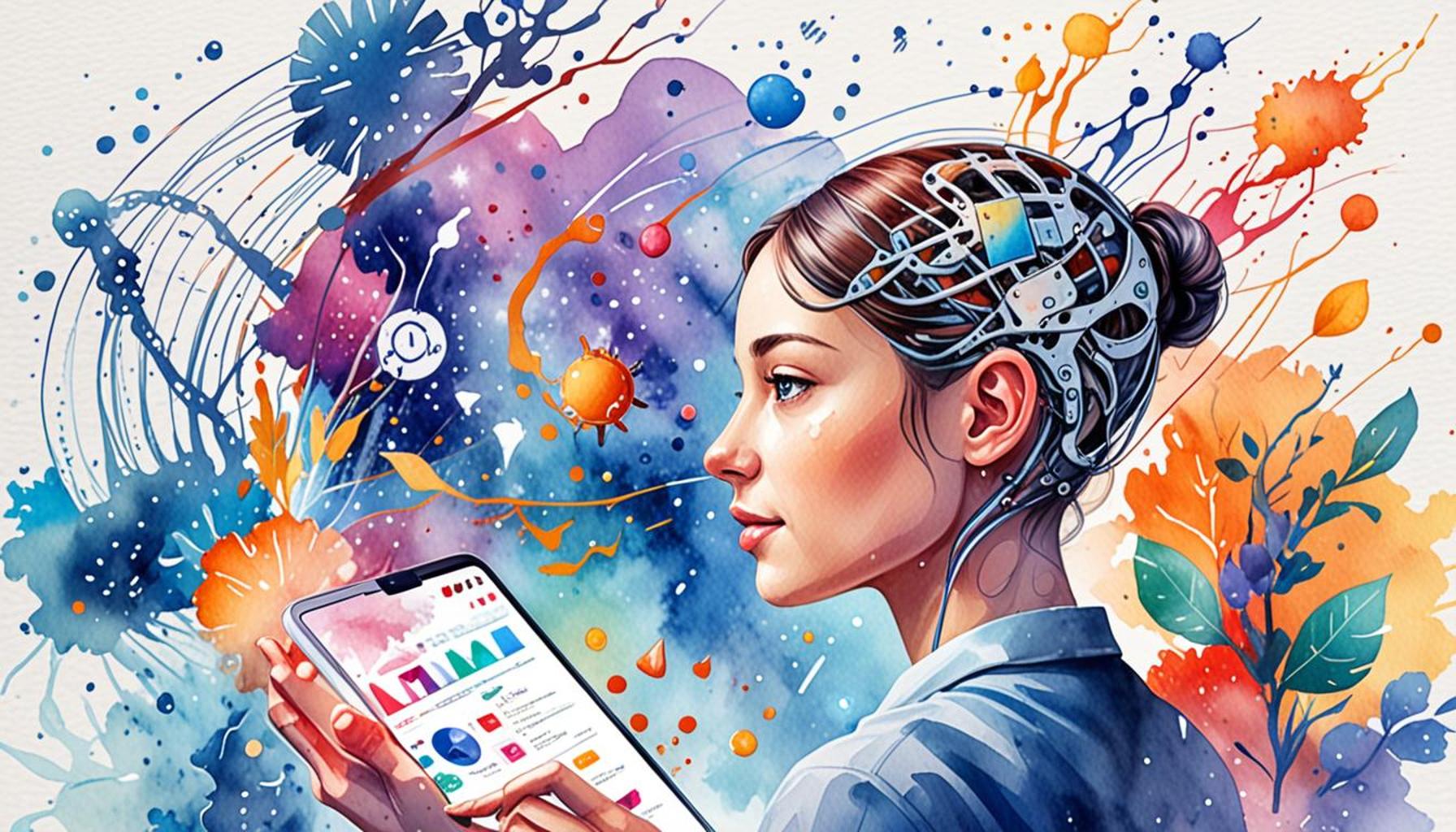
The landscape of education is evolving rapidly, with technology taking the forefront of personalized learning. Integrating artificial intelligence tools into educational frameworks is not just a trend; it is becoming essential for tailoring learning experiences that cater to individual needs. In a world where one-size-fits-all solutions are increasingly outdated, AI presents a promising alternative that empowers both educators and students.
With AI’s capabilities, educators can:
- Analyze student data to identify learning gaps and strengths.
- Provide customized content that matches each student’s pace and style of learning.
- Enhance engagement through interactive platforms that adapt in real-time.
These advancements are significantly transforming the classroom experience, making learning more effective and enjoyable. For instance, platforms like DreamBox Learning and Smart Sparrow use AI algorithms to assess student performance and adapt the curriculum accordingly. Additionally, tools such as Grammarly not only assist with writing skills but also adjust their feedback based on the user’s proficiency level, making the learning process feel personalized and supportive.
Moreover, AI-powered platforms can be tailored not just for academic subjects but also for social-emotional learning, ensuring a holistic approach. Consider applications like Woebot, which employs conversational AI to help students navigate their emotions and mental health challenges, thereby creating a more comprehensive educational experience.
Widespread Adoption and Implementation Challenges
In the United States, schools and universities are increasingly adopting AI-driven solutions, demonstrating how critical these technologies have become in modern education. However, this adaptation prompts a closer look at:
- The types of AI tools being implemented
- The benefits they provide to students and educators alike
- The challenges faced during integration
Tools such as Knewton and IXL are examples of adaptive learning technologies that gather vast amounts of data to inform instructional methods. They help educators understand what works for their class and where students struggle. However, integrating these systems poses challenges such as data privacy concerns, the need for training for teachers, and the potential for increased screen time for students.
As we explore further, you’ll discover how these technologies are reshaping educational methodologies across the United States. The future seems promising for personalized learning experiences, but careful consideration regarding the implementation and ethical use of AI in educational settings is essential. In a rapidly changing world, it is crucial that we strike a balance between leveraging technology and maintaining the human element that defines education.
EXPLORE MORE: Click here to discover how to build a supportive online community
Understanding the AI Tools Shaping Education
As schools navigate the complexities of modern teaching, selecting the right AI tools for personalized learning has become a focal point. Not only do these tools provide insights based on student interactions, but they also facilitate a deeper understanding of individual learning styles, preferences, and challenges. Through data-driven decisions, educators are enhancing their methods to ensure that every student achieves their fullest potential.
Prominent AI solutions are paving the way for this transformation. Here are some key types of AI tools that are being integrated into the classroom:
- Adaptive Learning Platforms: Tools like Knewton and DreamBox analyze student performance in real-time, customizing curriculum and pace to meet each learner’s unique needs. This adaptability is crucial in addressing both gifted students and those requiring additional help.
- Intelligent Tutoring Systems: Systems like Carnegie Learning utilize AI algorithms to provide one-on-one tutoring experiences, often replicating the benefits of additional human instruction without the overwhelming costs. These systems can identify specific skill gaps and provide targeted resources.
- Assessment Tools: Solutions such as Gradescope employ AI to assist educators in grading assignments and exams more efficiently. By analyzing common errors and trends, these tools help teachers provide focused feedback, ultimately leading to enhanced learning outcomes.
While the benefits of incorporating AI tools into educational settings are apparent, there are notable challenges to consider. The most pressing concerns revolve around:
- Data Privacy: The use of AI requires the collection of sensitive student data. It is essential for educational institutions to ensure that data is handled responsibly, adhering to regulations such as FERPA.
- Teacher Training: Educators must be equipped with the knowledge and skills to effectively integrate and utilize AI tools in their teaching practices. Professional development programs focusing on AI literacy will be crucial.
- Technological Dependence: Over-reliance on technology can lead to diminished interpersonal skills among students. Striking an appropriate balance between AI-facilitated learning and traditional interpersonal interactions is critical.
As the integration of AI tools expands, many districts are seeing enhanced engagement and satisfaction among both teachers and students. For instance, schools utilizing AI-driven interventions have reported a marked improvement in students’ academic performances, coupled with heightened interest in learning. However, a successful personalized learning experience is contingent upon thoughtful implementation, ensuring that technology complements rather than replaces human connection in the classroom.
In the next section, we will delve deeper into how specific case studies and real-world applications of these tools are redefining educational outcomes across the United States. By examining the impactful stories from various schools, we will uncover further insights into the potential of AI to elevate learning experiences for all students.
Advantages of Integrating AI Tools in Education
As education evolves in this digital age, Integrating Artificial Intelligence (AI) Tools for Personalized Learning Experiences has become paramount. By leveraging cutting-edge technology, educators can offer tailored educational journeys that cater to the unique needs of each learner.
| Category | Key Features |
|---|---|
| Adaptive Learning | Intelligent systems adjust content delivery based on individual progress, enhancing engagement. |
| Data-Driven Insights | AI analyzes student data to provide insights, helping educators improve teaching strategies. |
These advancements not only improve educational outcomes but also foster student motivation and engagement. With AI tools, learners can receive immediate feedback, which is essential for cultivating a growth mindset. As we continue to explore the seamless integration of these technologies, further understanding their potential impact on personalized learning is crucial.
Integration of AI also enables deeper analytics, allowing institutions to identify trends and tailor interventions proactively, ensuring that no student is left behind. As such, the benefits of incorporating AI in educational environments are profound, promising a bright future for personalized learning experiences.
DISCOVER MORE: Click here to dive into new learning opportunities
Real-World Applications of AI in Personalized Learning
As educational institutions embrace the integration of artificial intelligence tools, the real-world applications of these technologies are beginning to reshape the learning landscape across the United States. By analyzing successful case studies, we can better understand how AI-driven personalized learning experiences are effectively addressing diverse educational challenges. Each instance illustrates the dynamic potential of AI in fostering an environment that caters to individual student needs, ensuring that every learner can thrive.
A notable example can be found in the Socorro Independent School District in Texas, which has implemented a comprehensive AI-driven educational framework. By incorporating platforms such as Alexandria, an adaptive learning tool, educators have reported a significant uptick in student engagement. The platform analyses student interactions and informs real-time instructional adjustments. In this instance, teachers can offer targeted support based on each student’s performance metrics, allowing for timely interventions that are crucial in addressing learning gaps.
Another compelling case is the use of IBM’s Watson Education in various school districts across New York. This powerful AI platform provides personalized learning pathways by using advanced data analytics to discern student strengths and areas needing improvement. Teachers can utilize this information to curate content and resources tailored for each child. The result? A more engaging and productive classroom that accommodates different learning speeds and styles.
Furthermore, Clever, a digital learning platform used in countless schools, serves as an excellent example of facilitating student access to AI learning applications. By creating a single sign-on portal, Clever connects students to a multitude of AI tools and educational resources, streamlining the learning experience. With seamless synchronization, educators can monitor usage patterns, gaining valuable insights into student engagement and satisfaction.
As schools continue to integrate these technologies, the impact on student outcomes is becoming increasingly measurable. Reports indicate that institutions implementing AI tools have experienced a reduction in dropout rates and improved test scores. For instance, a district in California leveraging platforms like Edmentum and their personalized learning solutions has documented a remarkable 20% increase in math proficiency levels among participating students over the past year.
However, it is crucial to note that while AI personalized learning tools are yielding positive results, they are not a panacea. Successful implementation hinges on collaborative efforts among educators, administrators, and technology providers. Schools must ensure robust support systems are in place, emphasizing continual professional development. This focus will equip teachers with the necessary skills to maximize the benefits of AI applications in their classrooms.
Moreover, the future of AI in education prompts a broader dialogue about equity and accessibility. As more districts adopt these tools, educators must remain vigilant in identifying and bridging the digital divide, ensuring that all students have access to cutting-edge educational resources. The challenge lies not just in leveraging AI tools for enhanced learning experiences, but also in nurturing a collaborative environment where both technology and human expertise converge for optimal results.
DIVE DEEPER: Click here to uncover more insights
Conclusion
In conclusion, the journey toward integrating artificial intelligence tools for personalized learning experiences is not just a technological advancement but a pivotal shift in the education landscape. As the examples from institutions across the United States demonstrate, AI-driven platforms have the potential to tailor learning to individual student needs, significantly enhancing engagement and educational outcomes. The success stories from districts like Socorro Independent School and the transformative capabilities of IBM’s Watson Education reveal a growing recognition of the important role that AI plays in addressing diverse learning styles and performance challenges.
However, the opportunity for improvement comes with the responsibility to ensure equitable access to these technological advancements. Bridging the digital divide must remain a priority to guarantee that every learner benefits from personalized educational resources. This integration is not merely about adopting new technology but also about fostering a culture of collaboration between educators, administrators, and tech innovators to create supportive environments for teachers and students alike.
Additionally, continuous professional development for educators will be essential in harnessing the full potential of AI tools, enabling them to adapt and respond to evolving educational needs. As we look ahead, the dialogue surrounding equity and accessibility in education should guide our approach to implementing AI. Ultimately, marrying the strengths of technology with the expertise of human educators will lead to a more inclusive, effective, and engaging learning experience for all students, ensuring that personalized learning is not just a trend but a foundational practice for the future of education.