
Creating a Structured Learning Environment: Tips for Setting Up Your Space to Boost Skill Acquisition

Understanding the Importance of a Learning Environment
In today’s fast-paced world, where distractions abound and information is constantly at our fingertips, the way we acquire knowledge is evolving. However, despite technological advancements, one thing remains clear: the physical space in which we learn is crucial to our cognitive success. The significance of having an organized and intentional learning environment cannot be overstated. It has the potential to significantly impact focus, retention, and overall engagement.
Factors Impacting Learning Spaces
From students preparing for exams to professionals seeking to enhance their skills, optimizing a learning space is integral to effective education. Here are three key elements to consider:
- Lighting: Consider how light affects your mood and productivity. Studies suggest that exposure to natural light can improve concentration and reduce feelings of fatigue. If natural light is scarce, consider investing in full-spectrum light bulbs that mimic daylight to create an uplifting atmosphere and minimize eye strain.
- Furniture: Comfort is paramount when it comes to study sessions. Ergonomic chairs and height-adjustable desks can help maintain proper posture, reducing the risk of discomfort or fatigue. Think about incorporating standing desks or yoga balls as alternatives that can encourage movement and increase energy levels during prolonged study periods.
- Technology: In an era where technology is deeply integrated into learning, having reliable devices and tools is essential. A good internet connection, up-to-date software, and quality headphones can minimize interruptions and enhance productivity. Exploring noise-canceling options can also be beneficial in crowded environments, allowing for deeper concentration.
The Power of an Organized Space
A chaotic workspace can lead to decreased productivity and increased stress. Research indicates that individuals in clean, organized environments not only perform better but also experience improved memory retention. Whether you’re a college student cramming for finals, a remote worker on deadline, or a hobbyist diving into new skills, a structured learning environment plays a pivotal role in achieving your goals.
In the subsequent sections, we will delve deeper into practical tactics that can help transform your study area into an educational sanctuary. By implementing these strategies, whether it’s through organizational tools, technology upgrades, or thoughtful design, you’ll be one step closer to unlocking your full potential and mastering new skills efficiently.
DISCOVER MORE: Click here to enhance your skills
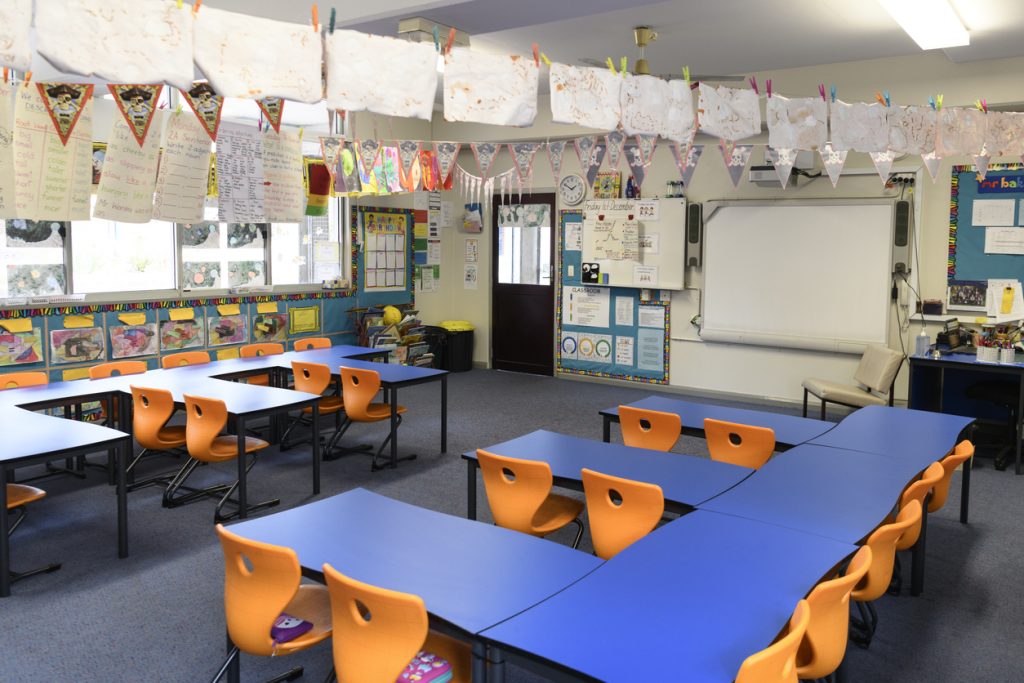
Creating an Inviting Atmosphere
The ambiance of a learning environment plays a crucial role in shaping one’s educational experience. It encompasses everything from color schemes to acoustics, and each element can have a significant impact on your ability to absorb information and enhance skills. A well-thought-out design can transform even the simplest corner of your home into a hub for intellectual growth. Here are key aspects to consider when creating an inviting atmosphere:
- Color Psychology: The colors around you can influence mood and motivation. Research suggests that warm colors such as yellow can evoke feelings of happiness and promote creativity, while cool shades like blue and green often create a calming effect that enhances focus. Consider incorporating your favorite colors in the decor to make the space feel personal and inspiring.
- Sound and Acoustics: The sounds in your learning space can either enhance or disrupt your concentration. For individuals living in busy households or urban areas, mitigating background noise is vital. Incorporating soft furnishings like rugs, drapes, and cushions can help absorb sound, creating a quieter environment. Alternatively, consider using background music or calming soundtracks designed to boost concentration and improve overall learning efficiency.
- Personal Touches: Your surroundings should reflect your personality and interests. Adding motivational posters, photographs, or plants can create a more engaging space. Additionally, the presence of greenery has been linked to reduced stress and improved cognitive function, making plants not just an aesthetic choice but a mental boost.
Utilizing Space Wisely
Every inch of your learning environment should be utilized to its fullest potential. A clutter-free and strategically organized space can enhance your ability to concentrate and reduce frustration when searching for materials. Here are smart organization tips to consider:
- Zones for Learning Activities: Designate specific areas for different types of study activities. For example, have a reading nook equipped with a comfortable chair and good lighting, while setting up a desk for computer work or hands-on projects. This division can help your brain associate different zones with distinct tasks, thereby increasing productivity.
- Storage Solutions: Invest in adequate shelving and storage options to keep materials organized. Use bins, folders, and drawers to categorize resources, making it easier to access notes or supplies when needed. An organized space reduces mental clutter, allowing for increased focus on learning.
- Minimize Distractions: The goal is to create a sanctuary of knowledge. Limit distractions by keeping your learning area separate from personal spaces where one might casually relax or engage in leisure activities. This interaction with boundaries can condition your mind to switch from relaxation mode to learning mode effectively.
By focusing on these essential components, you’re well on your way to cultivating a structured learning environment that not only promotes efficiency but also elevates the overall experience of skill acquisition. With an inviting atmosphere and a smart approach to utilizing space, you can optimize your potential and set the stage for lifelong learning. Next, we’ll explore how the incorporation of technology can enhance your structured learning environment further, making it even more conducive to achieving your educational goals.
Enhancing Your Learning Space: Key Considerations
Creating a conducive learning environment is essential for effective skill acquisition. Several factors contribute to the way individuals absorb and retain information, and tweaking your space can significantly enhance your learning experience. Below are some crucial considerations to improve your structured learning environment.
1. Optimal Lighting
The correct lighting can greatly influence focus and productivity. Natural light is highly beneficial; it not only reduces eye strain but also boosts mood and energy levels. Ideally, position your study area near windows or utilize full-spectrum lighting that mimics daylight.
2. Functional Furniture
Investing in ergonomic furniture is vital. A comfortable chair and a well-designed desk can prevent fatigue and discomfort during long study sessions. Ensure your chair provides proper support and your desk allows for an organized workspace that minimizes distractions.
3. Organized Resources
Keeping materials organized can streamline the learning process. Utilize shelves, bins, or filing systems to categorize your books and resources. This organization not only makes it easier to locate what you need but also instills a sense of control and readiness to learn.
4. Minimized Distractions
An ideal learning space should be free from distractions. Identify potential interruptions and take measures to limit these. This could mean turning off notifications on your devices, using noise-canceling headphones, or creating a “do not disturb” sign for when you are in deep focus.
5. Personal Touches
Incorporating personal items that inspire or motivate you can make a difference. This could range from quotes and artworks to plants that add a touch of nature. Such items can make your space feel more comfortable and tailored to your individual learning style.
6. Dedicated Learning Zones
If space permits, set up distinct zones for different types of learning activities. A dedicated area for reading, another for practical exercises, and a spot for brainstorming or creative thinking can create a dynamic and engaging environment.By integrating these strategies into your learning environment, you equip yourself with the preference and structure necessary for successful skill acquisition. Each adjustment, no matter how small, plays a vital role in how effectively you learn and retain new information. As you implement these tips, you will likely find that your focus sharpens and your ability to absorb new skills greatly improves.
| Category | Key Features |
|---|---|
| Optimal Lighting | Boosts mood and energy, reduces eye strain. |
| Functional Furniture | Enhances comfort and supports long study sessions. |
| Minimized Distractions | Enhances focus and productivity. |
| Dedicated Learning Zones | Separates different learning tasks for better organization. |
DIVE DEEPER: Click here to discover how to enhance learning motivation
Incorporating Technology for Enhanced Learning
In today’s digital age, technology has become an integral component of the learning process, offering myriad tools and resources to support skill acquisition. When designed thoughtfully, your structured learning environment can seamlessly integrate technology to foster engagement and enhance productivity. Here are several key aspects to consider when incorporating technology into your space:
- Ergonomic Setup: As you implement technological tools, prioritize an ergonomic setup to prevent physical strain during long study sessions. Invest in adjustable desks and comfortable chairs that support your posture. This not only helps maintain physical well-being but also enhances your ability to concentrate. Research indicates that physical discomfort can significantly detract from focus, so setting up your space with comfort in mind is essential for effective learning.
- Multimedia Devices: Consider the benefits of integrating various multimedia devices, such as tablets, projectors, or smart speakers, into your learning environment. Tablets can serve as portable libraries for accessing eBooks and educational apps, while projectors can facilitate group learning sessions by displaying content on a large screen. Additionally, smart speakers can assist with setting reminders, playback of educational podcasts, or even answering queries in real-time, thus enriching your learning experience.
- Digital Tools for Organization: Embrace digital tools that can help streamline your study processes. Applications for note-taking, task management, and time tracking can vastly improve how you organize and execute your educational activities. Tools like Trello or Evernote can keep your projects organized, while Pomodoro timers can help you manage your study sessions effectively. The goal is to create a tech-savvy environment that maximizes efficiency and supports your learning objectives.
- Virtual Collaboration: Remote learning and collaboration have become increasingly prevalent, allowing you to connect with peers and experts worldwide. Set up your learning space with the necessary technology for virtual meetings, such as high-quality webcams and microphones. Utilize platforms like Zoom or Google Meet to join study groups, attend webinars, or seek guidance from mentors. This not only diversifies your learning but also fosters a sense of community, crucial for motivation and accountability.
Prioritizing Flexibility and Adaptability
A structured learning environment should not be static; instead, it should evolve to meet your changing needs and preferences. Emphasizing flexibility is key in a world marked by rapid change and diverse learning styles. Here are some tips to ensure your space remains adaptable:
- Modular Furniture: Opt for furniture that can be rearranged easily or adjusted to suit various study tasks. Modular desks, movable shelves, or stackable seating options can cater to different learning activities, whether you need a collaborative group space or a quiet corner for focused study. This flexibility can promote a dynamic learning atmosphere that fosters creativity and exploration.
- Seasonal Updates: Consider changing decorations or study materials periodically to reflect different themes, subjects, or seasons. This can reinvigorate your interest and enthusiasm for learning. For example, updating your wall art to represent current goals or curating a new set of books relating to your studies can refresh your environment and keep motivation levels high.
- Continuous Learning Mindset: Keep your learning environment aligned with your personal and professional growth. Regularly assess your space and processes to identify what works and what may need adjustment. Inviting feedback from others can also provide new perspectives on ways to enhance your structured learning environment. Adopting a continuous learning mindset ensures that as your skills grow, so too does your space, ultimately supporting ongoing mastery and knowledge acquisition.
By thoughtfully integrating technology and prioritizing flexibility, you can cultivate a structured learning environment that not only caters to your immediate educational needs but also adapts to future aspirations. The next step will delve into the importance of incorporating routines and schedules for maintaining consistency in your study habits, ensuring that your learning space serves as an effective foundation for skill acquisition.
DISCOVER MORE: Click here to dive deeper
Conclusion: Crafting the Ideal Learning Sanctuary
In conclusion, creating a structured learning environment is not merely about arranging furniture and technology; it is about establishing a comprehensive atmosphere conducive to effective skill acquisition. As we explored throughout this article, crucial elements such as thoughtful technology integration, flexibility in setup, and regular updates to your space are vital. These factors work synergistically to enhance focus, promote engagement, and adapt to your evolving educational needs.
Moreover, prioritizing comfort through ergonomic solutions ensures that physical well-being is taken into account, allowing you to concentrate effectively for extended periods. Utilizing multimedia devices and digital tools to streamline organization empowers learners by transforming complex tasks into manageable actions, thereby fostering a sense of achievement. Also, don’t overlook the community aspect of learning; virtual collaboration tools help maintain connectivity and motivation in today’s digital landscape.
As you embark on creating or refining your own learning space, embrace a continuous learning mindset. Regularly evaluate your environment and be open to adjustments that reflect your growth and aspirations. By fostering a space that harmonizes all these dimensions, you create not just a functional area for study, but a sanctuary that inspires creativity and innovation. Ultimately, as you invest in your learning environment, you are investing in yourself—a journey that promises to pave the way for success in skill acquisition and lifelong learning.