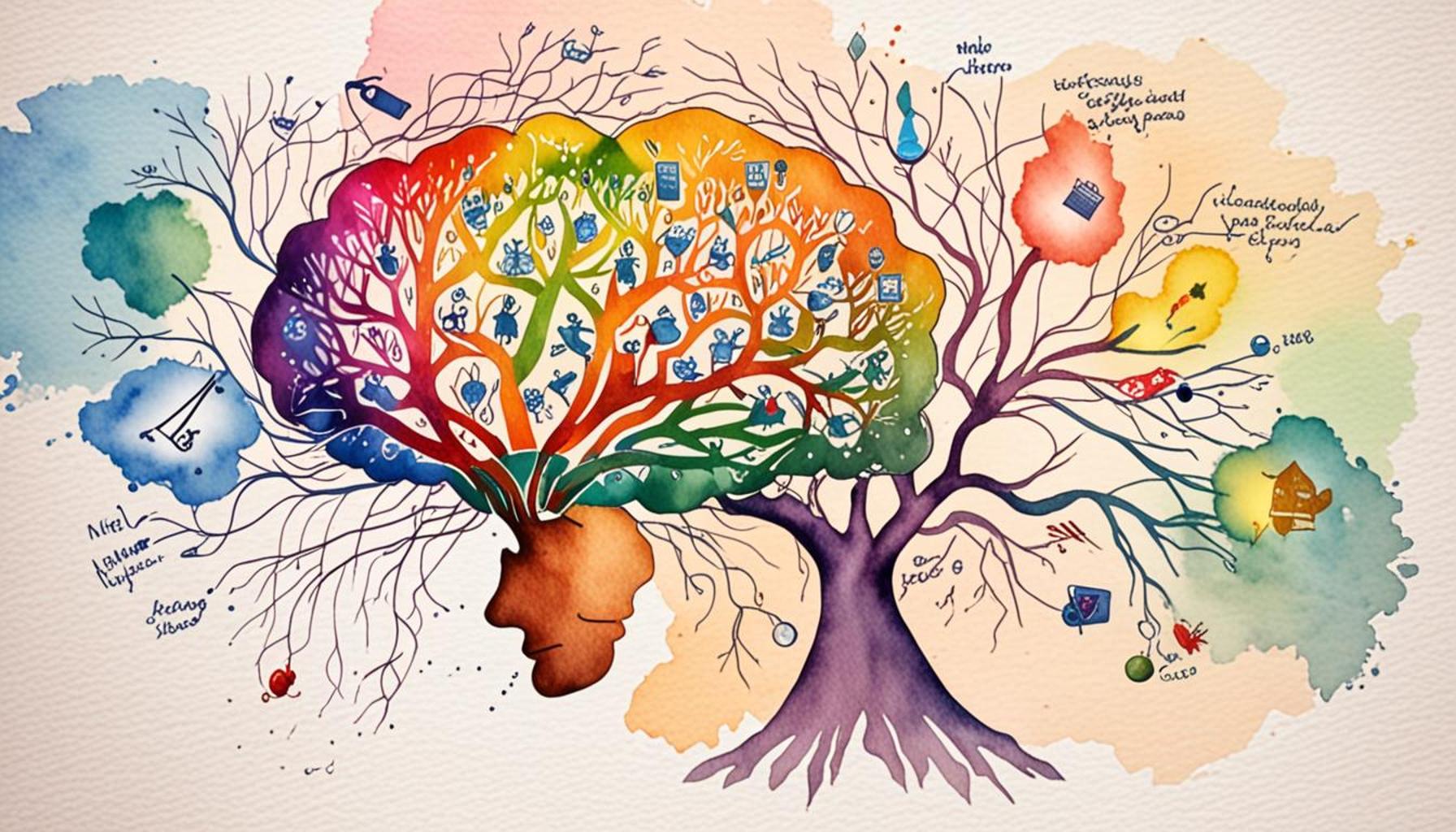
Harnessing Audio and Visual Aids in Practice: Creative Methods for Self-Learning Enhancement
Introduction
The digital age has revolutionized our approach to education, allowing it to be more accessible and tailor-made for individual learning preferences. Among the most significant advancements in this arena are audio and visual aids. These tools serve as crucial components in contemporary education, facilitating a clearer understanding and making the self-learning journey not only more efficient but also more enjoyable.
Today, learners can engage with a plethora of formats that suit their personal styles, leading to various pathways of knowledge acquisition:
- Podcasts: Tailored for auditory learners, podcasts offer flexibility—the ability to absorb information while commuting, exercising, or performing household chores. For instance, educational podcasts such as “Radiolab” dive deep into scientific inquiries in an engaging format, making complex ideas accessible to all.
- Videos: Platforms like YouTube house an extensive library of educational content. Channels such as “Khan Academy” and “Crash Course” allow learners to visualize complicated subjects, bridging gaps in understanding through animations and demonstrations. Video tutorials have become particularly popular for subjects like mathematics and science, where visual representation is key.
- Infographics: These tools blend text with visuals to distill intricate information into digestible formats. Resources like “Piktochart” enable users to create infographics that summarize large amounts of data or concepts clearly and attractively, making learning both interactive and aesthetically appealing.
By effectively harnessing these tools, self-directed learners can experience numerous benefits that enhance their educational journeys:
- Enhance comprehension: For instance, a complex scientific theory may be more understandable when illustrated through diagrams or animated videos rather than traditional text-based explanations.
- Boost retention: Studies show that people are more likely to remember information presented in engaging formats compared to plain text. This makes podcasts, which combine music, sound effects, and dialogue, particularly effective in reinforcing learning.
- Promote motivation: Multimedia resources can transform mundane topics into captivating narratives, inspiring learners to dig deeper and explore adjacent subjects. Gamified learning videos or interactive quizzes can spark enthusiasm that transcends conventional rote memorization techniques.
As this innovative learning landscape continues to evolve, acquiring skills to effectively integrate various audio and visual aids becomes increasingly essential. In this article, we will explore the transformative power of these creative methods and reveal strategies that can significantly enhance your self-learning experience. Ready to broaden your educational horizons? Let’s embark on this enlightening journey!
DISCOVER MORE: Click here to unlock your potential
Unlocking the Potential of Audio and Visual Aids
Harnessing audio and visual aids in self-learning not only enriches the educational experience but also transforms how information is absorbed and retained. These formats cater to different learning styles—auditory, visual, and kinesthetic—allowing individuals to personalize their educational journey. In a world teeming with content, it becomes essential to identify methods that effectively capture attention and promote deeper engagement.
One powerful method for incorporating audio and visual aids is through the strategic use of webinars. These engaging online seminars bring together expert insights and dynamic visuals, allowing learners to participate in real-time discussions. Platforms like Zoom and Microsoft Teams make it easy to access invaluable resources from anywhere in the world, fostering an interactive learning environment. Not only do webinars offer the chance for immediate clarification of complex topics, but they also often include supplementary materials like presentation slides and recorded sessions for further review.
Another significant advantage comes from the incorporation of educational apps and tools. For instance, apps like Duolingo or Quizlet use gamification to keep learners motivated and engaged. Users can tackle language barriers or reinforce their understanding of subjects through interactive quizzes and games, promoting retention in a fun and accessible manner. Moreover, many apps leverage visual and audio prompts to enhance learning, catering to multiple senses simultaneously. This blended approach is particularly beneficial for concepts that require a multi-faceted understanding.
As learners explore different resources, it is crucial to identify which formats resonate most effectively. Here are several popular types of audio and visual aids that can significantly impact self-learning:
- Documentaries: These visual narratives provide in-depth explorations of topics, merging storytelling with factual information. Streaming platforms like Netflix and YouTube host documentaries that cover everything from history to science, making them excellent supplementary resources for learners.
- Audio Books: For those who prefer literary pursuits, audiobooks offer the chance to experience narratives through well-executed vocal performances. Platforms like Audible allow users to immerse themselves in classic literature or contemporary works, often accompanied by insightful commentary.
- Interactive Simulations: Engaging educational software, such as PhET simulations, enables learners to experiment with scientific concepts in a visual and interactive manner. These simulations can simulate real-world scenarios, fostering a deeper understanding of theoretical principles.
The diversity of these audio and visual aids fosters an enriching learning environment that caters to various learning preferences. By thoughtfully incorporating these tools into your study habits, you can enhance not just your comprehension of a subject but also retain the learned material in a much more effective manner. As we delve further into specific strategies for maximizing these aids, you’ll discover how to turn your self-learning experience into a dynamic and fulfilling adventure.
| Category | Description |
|---|---|
| Audio Resources | Podcasts and audiobooks enhance retention by engaging auditory learning pathways. |
| Visual Resources | Videos and infographics simplify complex concepts through visual representation. |
| Interactive Aids | Quizzes and interactive simulations promote active learning, enhancing engagement. |
| Accessibility | Audio and visual aids make educational materials more accessible to diverse learners. |
Expanding on the previous discussion, it’s crucial to understand that harnessing audio and visual aids provides an unparalleled advantage in the realm of self-learning enhancement. For instance, audio resources such as podcasts serve more than just entertainment; they facilitate knowledge absorption during leisure activities, making learning seamless and multi-faceted. Imagine listening to expert interviews on the go, and instantly applying that wisdom to your own projects.In parallel, the compelling integration of visual resources—from instructional videos to engaging infographics—transforms intricate subjects into digestible formats. This visual assistance isn’t about simplifying content, but rather translating complex ideas into relatable narratives that promote deeper understanding.Moreover, adopting interactive aids like quizzes instills a sense of accomplishment, keeping learners motivated. The capability to actively engage with the material is a profound game changer, establishing not only a dynamic learning environment but also enhancing retention and recall.Lastly, by catering to various learning styles, these aids ensure that resources are not just available, but also accessible, empowering diverse audiences to embark on their educational journeys with greater confidence. This multi-modal approach opens doors to innovative pathways for knowledge acquisition.
DIVE DEEPER: Click here to uncover more insights
Innovative Approaches to Integrating Audio and Visual Aids
As the landscape of self-learning evolves, so do the methods and technologies that support it. Podcasts have surged in popularity, emerging as an accessible medium for learners on the go. With thousands of educational podcasts available, there is a wealth of knowledge shared by experts across various fields. These audio formats allow learners to absorb information during commutes, workouts, or while completing household tasks. For instance, platforms like Spotify and Apple Podcasts host channels dedicated to science, technology, and history, enabling listeners to engage with diverse subjects seamlessly.
Video Tutorials serve as another effective audio-visual learning aid. Websites like YouTube host countless tutorial videos that break down complex concepts into digestible segments. From coding and cooking to mathematics and art, the visual aspect combined with narration helps learners grasp intricate processes. For example, channels like CrashCourse or TED-Ed create visually stimulating content that can simplify difficult topics, making them more approachable. The ability to pause, rewind, and re-watch ensures that learners can absorb material at their own pace, reinforcing knowledge retention.
Moreover, the rise of infographics has transformed how information is presented and consumed. Infographics use graphics, charts, and minimal text to condense complicated data into easily digestible formats. This method is particularly effective for visual learners who can quickly grasp concepts through imagery. Websites like Canva provide templates that facilitate the creation of personalized infographics, allowing learners to summarize their insights or notes in a visually engaging way. The clarity provided by infographics can significantly enhance recall and understanding, particularly for those navigating dense topics.
As learners become adept at utilizing these tools, the trend of Virtual Reality (VR) and Augmented Reality (AR) is gaining momentum in self-learning environments. These advanced technologies offer immersive experiences that transport learners to different contexts, allowing for a hands-on approach to education. For example, applications like Google Expeditions enable users to take virtual field trips to historical sites or natural wonders, while AR apps can bring static images to life, enhancing interactivity in subjects like biology or art history. Such immersive experiences foster a deeper connection with the subject matter, making learning both exciting and impactful.
Moreover, collaborative platforms such as Google Classroom and Trello can facilitate group learning activities, allowing learners to combine audio and visual aids into shared projects. Utilizing digital whiteboards or shared documents helps in organizing thoughts and resources visually, while group discussions can incorporate podcasts or video references, enriching the collaborative learning experience. This teamwork not only bolsters the learning journey but also nurtures crucial communication skills.
Ultimately, the integration of these innovative audio and visual aids into self-learning strategies cultivates a dynamic and personal educational experience. By harnessing the power of multiple formats, learners can explore various avenues, transforming the often solitary pursuit of knowledge into an engaging and enriching adventure.
DIVE DEEPER: Click here to learn more
Conclusion: Elevating Self-Learning with Audio and Visual Aids
In a rapidly evolving educational landscape, harnessing audio and visual aids has revolutionized the self-learning experience, transforming it into a more accessible and engaging journey. From the convenience of podcasts that allow knowledge absorption during everyday activities to the impactful clarity of video tutorials and infographics, learners are empowered to tailor their studies according to their unique preferences. By fostering a multi-sensory approach, these tools not only simplify complex concepts but also enhance knowledge retention and application.
Moreover, the incorporation of advanced technologies such as Virtual Reality (VR) and Augmented Reality (AR) further enriches the learning process, offering immersive experiences that can transport learners to new dimensions of understanding. Whether exploring historical landmarks through a virtual field trip or animating diagrams for better comprehension, the interactive elements engage users beyond traditional methodologies, unlocking a deeper connection with the content.
As we embrace these innovative methods, it is crucial for learners to remain open-minded and adaptive, continuously exploring new platforms and resources. By combining various audio-visual tools and leveraging collaborative platforms, a synergistic learning environment emerges, promoting not just individual growth but also community engagement. In an era where knowledge acquisition is increasingly self-directed, the creative use of audio and visual aids stands as a powerful ally in the quest for lifelong learning.
Ultimately, the transformation of self-learning into an enriching adventure underscores the infinite possibilities available to those willing to explore and utilize the vast resources at their disposal. By diving into this dynamic world of audio and visual aids, learners can unlock their full potential, fostering an enduring passion for knowledge.