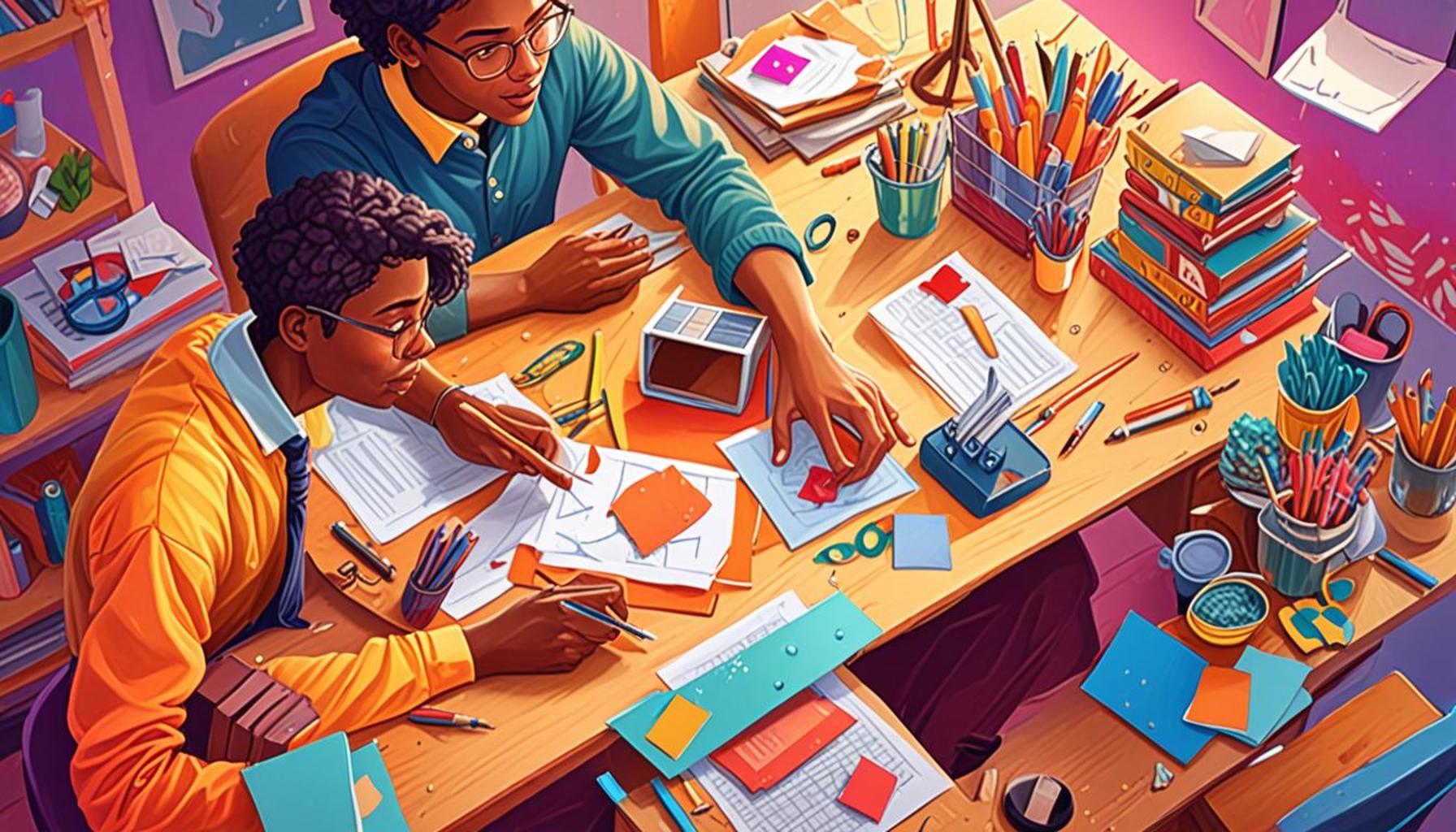
Adaptive Learning: Customizing Your Practice Techniques to Fit Your Personal Learning Style

Understanding Adaptive Learning: A Path to Personalized Education
Adaptive learning represents a transformative shift in educational methodology, offering customized learning experiences that cater to each individual’s unique needs. As traditional one-size-fits-all approaches become less effective in a rapidly evolving world, adaptive learning stands out as a promising solution. By focusing on the personalization of educational experiences, adaptive learning enhances both the efficiency of the learning process and the retention of information.
The essence of adaptive learning can be elaborated through several key components:
- Personalization: This involves altering the delivery of educational content to match an individual’s preferred learning style. For example, a student who learns better through visual aids may benefit from infographics and videos, while others might thrive with text-heavy resources.
- Flexibility: Adaptive learning grants learners the autonomy to advance at their own pace. This flexibility allows students to spend more time on challenging concepts while moving quickly through areas where they are more proficient, ensuring a balanced and thorough educational experience.
- Feedback: Immediate and constructive feedback is vital in adaptive learning. Systems provide tailored responses that guide learners along their educational journey, helping them identify strengths and areas for improvement. Consider a math tutoring app that evaluates a student’s problem-solving process, offering suggestions on solving similar equations more effectively.
Technology has greatly enhanced the accessibility of adaptive learning platforms. These systems leverage sophisticated algorithms to track a learner’s progress and adapt the instruction in real time. For example, platforms like DreamBox Learning and Knewton have been successfully integrated into various educational settings, allowing teachers to offer more personalized instruction that fosters student engagement and improves outcomes.
Recognizing Your Learning Style
To truly unlock the potential of adaptive learning, understanding your own personal learning style is essential. These styles can include:
- Visual Learners: Often find success in environments where concepts are illustrated through diagrams, charts, and videos, making information more digestible.
- Auditory Learners: Engage best through listening, thriving in discussions, lectures, and audio resources. This style is particularly beneficial in settings that encourage collaboration and verbal exchange of ideas.
- Kinetic Learners: Prefer learning through hands-on activities. This might include laboratory experiments, workshops, or practical problem-solving, where moving and doing assist in understanding material.
As you explore the realm of adaptive learning, opportunities abound to redefine how knowledge is acquired and retained. The journey is highly individualized, often leading to the discovery of innovative methods that enhance practice techniques and lead to more effective learning. By embracing the principles of adaptive learning, you can discover an educational landscape tailored to your personal strengths and preferences, paving the way for lifelong learning and success.
DISCOVER MORE: Click here to learn about digital notebooks
Embracing the Principles of Adaptive Learning
Adaptive learning is not merely a technological innovation; it is a fundamental shift in how we approach education. To harness its benefits effectively, learners must take an active role in understanding their preferred learning modalities. By doing so, they can tailor their experience to align with adaptive learning principles, leading to improved educational outcomes.
One crucial aspect of adaptive learning is the concept of self-awareness. Recognizing how you learn best allows you to engage with content more deeply. For instance, imagine a student who identifies as an auditory learner. This student might seek resources that incorporate podcasts, online lectures, or discussions to maximize their retention and understanding. In contrast, a kinetic learner may prioritize interactive simulations or hands-on projects, where the physical act of learning reinforces concepts. By understanding these nuances, individuals can select tools and resources that resonate with their inherent learning styles.
Identifying Your Learning Strengths
Engaging in adaptive learning begins with a thoughtful assessment of your learning strengths. Here are some methods to help you recognize your personalized learning style:
- Reflective Journaling: Keeping a journal where you reflect on your learning experiences can uncover patterns. Pay attention to which activities spark your interest and lead to stronger comprehension.
- Self-Assessment Quizzes: Numerous online platforms offer quizzes designed to categorize learning styles. These quizzes can provide insights into whether you lean towards visual, auditory, kinetic, or even a combination of styles.
- Seek Feedback: Engaging with peers, mentors, or instructors can offer valuable perspectives on how you approach learning. Their observations might highlight strengths or preferences you were previously unaware of.
Once you have a clearer understanding of your learning style, the next step is to customize your educational practices accordingly. This customization can range from selecting adaptive learning technologies designed to accommodate various learning styles to actively modifying your study techniques. For example, a visual learner may use digital mind maps to organize study content, while an auditory learner could incorporate audiobooks for easy consumption of information.
By taking charge of your learning journey, you not only enhance your academic performance but also cultivate a more enjoyable and fulfilling educational experience. In an era where technology continues to redefine learning landscapes, those who effectively adapt to their unique styles will undoubtedly stand out. Therefore, embracing adaptive learning is about creating a personalized educational framework that nurtures individual strengths, maximizes engagement, and ultimately leads to success.
| Advantages | Details |
|---|---|
| Personalized Learning Paths | With adaptive learning techniques, learners can follow tailored pathways that resonate with their unique styles, enhancing engagement and outcomes. |
| Real-time Feedback | Immediate assessments allow for rapid adjustments in learning strategies, ensuring that techniques remain effective according to individual progress. |
| Increased Retention | Custom practices cater to how individuals absorb information, leading to improved memory retention and better recall in real-world applications. |
| Enhanced Motivation | When learners engage with materials that suit their preferences, they are more likely to stay motivated, pushing through challenges to achieve their goals. |
Understanding the nuances of your personal learning style can lead not only to better study habits but also a greater sense of accomplishment. In a world with diverse learning approaches, adaptive learning proves to be a transformative strategy that empowers you to embrace your education journey with confidence and effectiveness. Discover how you can implement these techniques into your study routine for a more fulfilling experience!
DIVE DEEPER: Click here to discover more about boosting your learning motivation
Implementing Adaptive Learning Strategies
With a solid understanding of your learning strengths, it’s time to put adaptive learning strategies into action. Customizing your educational practices isn’t just about choosing the right resources; it involves a comprehensive approach that integrates various techniques tailored specifically to how you learn best.
One effective method to consider is the incorporation of multimodal learning strategies. This approach combines different modalities of learning — visual, auditory, and kinesthetic — into a cohesive study plan. For instance, if you identify as a visual learner, you might benefit from watching instructional videos and utilizing infographics while also engaging in group discussions to explore auditory learning aspects. By integrating multiple ways of consuming information, you’re not only reinforcing your preferred style but also expanding your capabilities to adapt to various types of content.
Utilizing Technology for Personalized Learning
Technology plays a pivotal role in the realm of adaptive learning. Numerous platforms and applications are designed to cater to different learning styles, providing a rich environment for learners to explore at their own pace. For example, adaptive learning software employs algorithms to customize the educational experience based on your interactions with the content. Programs like DreamBox, Khan Academy, and Coursera offer personalized pathways that adjust difficulty levels and content delivery according to your individual progress and responses.
Moreover, many academic institutions are investing in learning management systems (LMS) that incorporate adaptive learning technologies. These systems monitor student engagement and performance metrics, allowing instructors to tailor their teaching methods in real-time based on observed data. This combination of technology and educator insights enhances the ability to meet diverse learning needs effectively.
Another powerful tool to consider is the integration of gamification into your learning regime. Platforms like Quizlet and Kahoot! transform standard learning exercises into engaging games, thus appealing to those who thrive in interactive and competitive environments. Gamification can enhance motivation and make retention easier, as learners actively participate rather than passively absorb information.
Creating a Structured Study Environment
Adopting a structured study environment that is conducive to your learning style is also essential in the realm of adaptive learning. For example, if you find that you concentrate better in quiet settings, creating a dedicated study space away from distractions can significantly enhance your focus. Alternatively, a social setting might benefit those who learn best through collaboration. Forming study groups or utilizing platforms for virtual study sessions can offer the interaction that enhances comprehension for many learners.
Additionally, adopting a flexible schedule allows you to engage with content when you are most receptive. If you tend to absorb information better in the morning, prioritize challenging subjects during that time and reserve lighter topics for later. This adaptability empowers you to manage your study time more efficiently, ensuring that you remain engaged and motivated throughout the learning process.
As you explore these strategies, remember that the journey of adaptive learning is ongoing. Being open to adjusting and refining your approaches will foster continuous improvement and ultimately lead to a more enriching educational experience. The pursuit of knowledge has never been more tailored to individual needs, making the power of adaptive learning an invaluable asset in your educational toolkit.
DIVE DEEPER: Click here to enhance your learning space
Conclusion: Embracing the Future of Learning
In an age where personalization is paramount, adaptive learning stands out as a transformative approach to education that accommodates individual learning styles. By recognizing your unique preferences and strengths, you can tailor your educational experiences to enhance understanding and retention. The strategies discussed—from multimodal learning to leveraging technology and maintaining a structured study environment—demonstrate the diverse pathways available to optimize your learning journey.
Moreover, the integration of gamification and adaptive learning software not only makes education more engaging but also promotes self-directed learning. As learners in the United States increasingly adopt these tools, educational institutions are responding by embracing innovative methodologies that cater to individualized needs. The combination of real-time data and personalized learning plans empowers both educators and students to create effective learning environments.
As you embark on your quest for knowledge, remember that adaptive learning is not a destination but an ongoing journey. Continuously evaluate your strategies, adjust your techniques, and remain open to experimenting with new tools and methods. This proactive approach will not only deepen your understanding but will also cultivate a lifelong love of learning. The future of education is here, and it is more customizable than ever, inviting you to discover the learning techniques that resonate most with you.