Deliberate Practice: How to Identify and Focus on Areas for Improvement

Unlocking Your Potential Through Deliberate Practice
Improving your skills requires more than just repetition; it demands a methodical approach known as deliberate practice. This technique has been researched extensively and found to significantly enhance performance across various fields, from sports and music to professional careers. Icons like Tiger Woods and Beethoven didn’t achieve greatness merely through talent; they invested countless hours into focused, intentional practice, embodying the concept of deliberate practice.
To embrace this concept effectively, individuals need to identify specific areas for improvement. Here are some key steps:
- Assessment: Begin with a thorough evaluation of your current skill set. This requires an honest reflection on your strengths, weaknesses, and areas requiring attention. For instance, a musician might light upon their ability to read sheet music fluently while recognizing the need to improve their tonal quality.
- Goal Setting: Establish clear and achievable goals to anchor your practice sessions. This could mean aiming to master a specific piece of music or improving a particular technique, such as a basketball player focusing on free throw accuracy. Setting Smart (Specific, Measurable, Achievable, Relevant, Time-bound) goals can directly correlate with skill enhancement.
- Feedback: Constructive feedback is crucial for refinement. Engaging a mentor, coach, or peer to provide insights into your performance can dramatically shift your practice effectiveness. For example, in a corporate setting, asking a supervisor for project critique can reveal unexpected blind spots that hinder your growth.
Deliberate practice stands apart from traditional repetition as it focuses on consistent and targeted work. It is less about the hours clocked in and more about the quality of practice. This method urges you to engage with challenges and push past your comfort zone actively. To do this effectively, consider the following:
- Mindfulness: Stay fully engaged during your practice. This could involve tuning into your breathing while performing or mentally visualizing the outcome of your athletic performance. Being present helps to refine focus, maximizing the effectiveness of each session.
- Incremental Challenges: Gradually increase the difficulty of your tasks to stimulate growth. A chess player might practice against increasingly skilled opponents, or a writer may tackle complex themes or styles instead of sticking to familiar narratives. This incremental approach drives skill evolution.
- Tracking Progress: Keeping a record of your improvements serves as a source of motivation and insight. This could be as simple as a practice log for musicians that notes completed exercises or as detailed as a performance review for business professionals mapping out their project success.
By focusing on these techniques, you can transform your approach and unlock new levels of achievement. In the ensuing sections, we will delve deeper into how to execute deliberate practice effectively, providing you with tools to refine your skills and ultimately reach your fullest potential. The journey requires dedication, but with intention and strategy, the possibility for improvement is limitless.
DISCOVER MORE: Click here to enhance your study strategies
Identifying Your Growth Areas
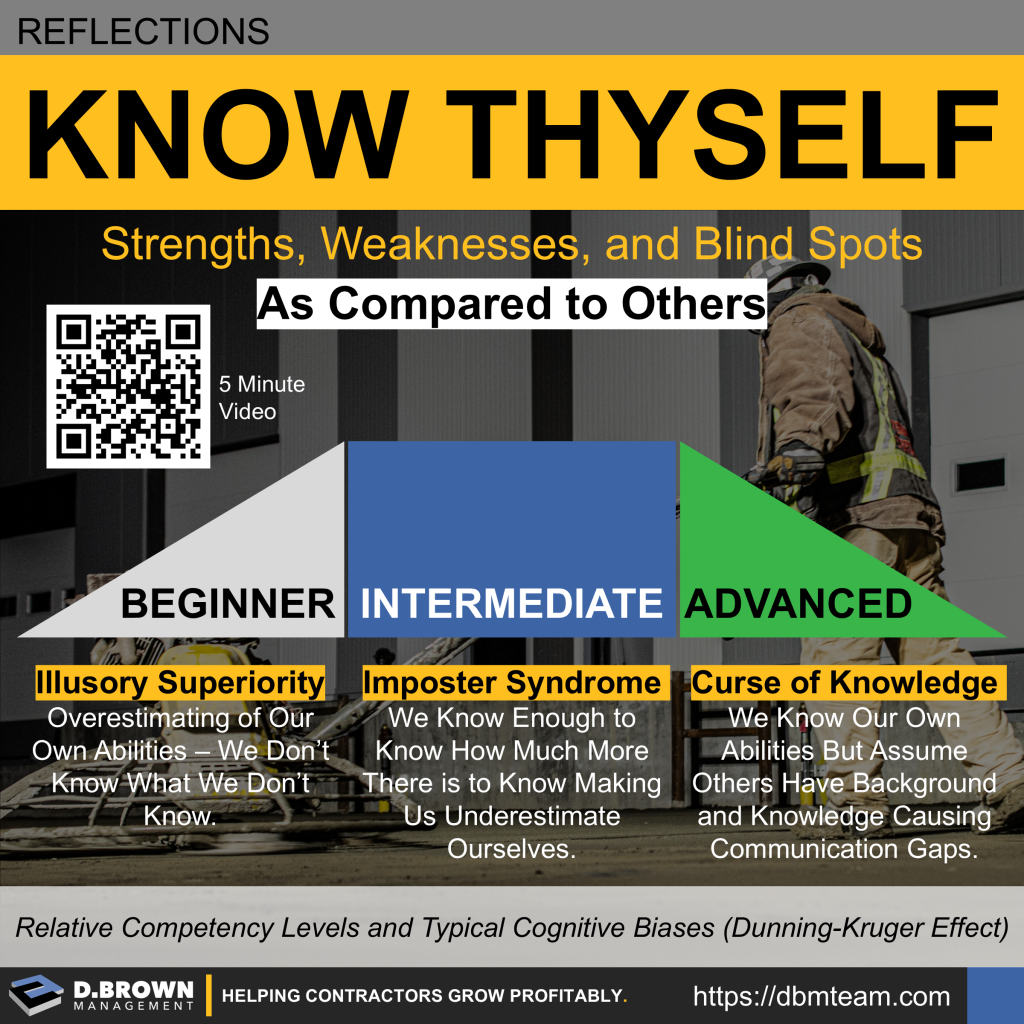
To embark on the journey of deliberate practice, the first and crucial step is to identify where you can improve. This process involves a blend of self-assessment and gaining external perspectives. Without pinpointing specific areas that require attention, practice can quickly become unstructured and less effective. Here are three essential strategies to help you uncover those areas for growth:
- Self-Assessment: Begin with an unflinching examination of your own skills. Ask yourself critical questions: What tasks do I struggle with? In my recent performances or projects, where did I fall short? This reflective practice can be enriching but may require vulnerability. For instance, a budding graphic designer might realize their color theory knowledge is lacking, which directly impacts their work quality.
- Peer Review: Solicit feedback from colleagues, mentors, or peers who understand your field. A fresh set of eyes can reveal unforeseen gaps in your skill set. This can be as simple as requesting input on a presentation at work to understand if your communication style resonates with your audience. Constructive criticism is pivotal—embracing it propels improvement.
- Benchmarking: Compare your skills against established standards or experts in your field. Engaging with resources, whether through workshops, professional online courses, or industry publications, can give you a clearer picture of where you stand. For example, a software developer might explore new programming languages by participating in hackathons to measure their skill against others in the tech community.
As you gather information through these strategies, it’s vital to distill your findings into actionable insights. Consider keeping a dedicated journal or a digital document where you catalog areas of strength and weakness. This document will serve not only as a tracking system but also as a motivator as you observe your journey of improvement unfold.
Furthermore, embracing a growth mindset is fundamental. In the United States, the educational system increasingly emphasizes the idea that abilities can be developed through dedication and hard work. This philosophy encourages resilience and is particularly beneficial in fields requiring significant skill attainment. Celebrate small victories as you tackle the challenges identified during your assessment; acknowledging your progress can provide the motivation needed to persist through difficulties.
In the next sections, we will explore how these identified areas can translate into tangible practice techniques and goal-setting methods tailored to maximize your potential for growth. Mastering your identified skills through deliberate practice can lead you to new heights of achievement across various aspects of your life. The key lies not just in identifying these areas but also in strategically addressing them to carve out your path towards excellence.
Deliberate Practice: How to Identify and Focus on Areas for Improvement
As we delve deeper into the concept of deliberate practice, it’s essential to understand that mere repetition of tasks does not lead to improvement. Instead, targeted efforts and a strategic approach are what truly drive skill enhancement. Focusing on specific areas for improvement is crucial for anyone looking to elevate their performance, be it in sports, arts, or professional skills. Below, we explore key strategies and methods for identifying these areas effectively.
Methods of Identifying Improvement Areas
To focus your practice effectively, consider implementing these methods:
1. Self-Assessment
Self-assessment allows individuals to recognize their strengths and weaknesses. Utilize tools such as self-reflection journals or performance reviews to critically evaluate your progress. By regularly documenting your performance, you can pinpoint consistent challenges that need attention.
2. Feedback from Others
Seek feedback from mentors, peers, or professionals in your field. Constructive criticism is vital to understanding areas that require further development. Engage in conversations that encourage open dialogue regarding your performance versus expectations, enhancing your perspective on necessary improvements.
3. Setting SMART Goals
Implementing SMART goals—Specific, Measurable, Achievable, Relevant, Time-bound—provides a structured approach to improvement. By framing your goals using this format, you focus your efforts on measurable outcomes that directly relate to your areas of development.
Table of Advantages of Deliberate Practice
| Category 1 | Category 2 |
|---|---|
| Skill Refinement | Focused practice hones specific abilities, leading to mastery. |
| Goal Clarity | Enhances focus by providing clear, measurable objectives. |
By deeply engaging with these techniques, you can methodically identify the areas that require attention. Remember that deliberate practice is about quality, not quantity—the more you tailor your efforts to tackle identified challenges, the more significant your growth will be. This structured approach not only uplifts your skills but fortifies your confidence as you progress in your personal or professional journey. Explore these techniques thoroughly, and you’ll find a rich landscape of opportunities for improvement waiting for you.
DIVE DEEPER: Click here to enhance your skills
Creating a Structured Practice Plan
Once you have identified your growth areas through self-assessment, peer reviews, and benchmarking, the next step is developing a structured practice plan. This plan serves as a roadmap, guiding your journey towards improvement and ensuring that your practice is both effective and efficient. Here are a few key components to consider when crafting your practice plan:
- Set Specific Goals: Goals should be as specific as possible, targeting the areas you wish to improve. Instead of vague objectives like “get better at coding,” aim for something concrete, such as “master JavaScript functions by completing two online courses over the next month.” Clear targets not only enhance focus but also allow for easier tracking of progress.
- Use the SMART Criteria: A well-structured goal should adhere to the SMART criteria—Specific, Measurable, Achievable, Relevant, and Time-bound. For example, if you’re a musician wanting to improve your guitar skills, a SMART goal could be, “Practice scales for 30 minutes every day for the next four weeks to enhance finger dexterity.” This structured approach drives accountability and heightens commitment.
- Incorporate Feedback Loops: Engaging with feedback is essential for refining your skills. Regularly seek input on your progress, whether from mentors or through self-reflection. For instance, after implementing a new coding practice, gauge its effectiveness by monitoring performance changes in your next project. The feedback will illuminate whether your new practice methods are yielding the desired improvements.
- Schedule Regular Reviews: Consistency is crucial in deliberate practice. Allocate time weekly to review your achievements and setbacks. This practice doesn’t just provide an opportunity to celebrate progress; it’s also a moment for recalibration. If you find that a particular practice method isn’t yielding results, be willing to adjust your approach. This flexibility is key to effective learning.
Additionally, one effective method for structured practice is to create a deliberate practice environment. This means carving out time and space dedicated solely to improving your skills. For instance, a writer might designate a specific hour each morning for focused writing; a visual artist may set up a daily routine to experiment with different mediums. By fostering a conducive environment free from distractions, your practice can become more deliberate and productive.
As you progress through this structured practice, remember to reflect on your emotional state. Mindfulness can play a significant role in enhancing the quality of your practice. Cultivating awareness of your thoughts and feelings during practice sessions allows you to identify mental blocks that could hinder your improvement. Regular mindfulness practices, such as meditation, can help you remain focused and engaged in your skills development journey.
Moreover, consider the implementation of technology to aid your deliberate practice. For instance, utilizing apps designed for skill development, such as Duolingo for language learning, or platforms like Skillshare for various creative disciplines, can provide structured opportunities to build knowledge incrementally. These tools can introduce an element of gamification, making learning not only effective but also enjoyable, which can enhance motivation.
By merging a well-defined practice plan with a supportive environment, and embracing tools and strategies that promote feedback and mindfulness, you’ll position yourself excellently for skill enhancement through deliberate practice. In the pursuit of excellence, the combination of thoughtfully identified areas for improvement and a systematic practice approach will unlock new levels of achievement. Explore, adjust, and grow—this is the essence of mastering deliberate practice.
DISCOVER MORE: Click here to learn about visualization techniques
Conclusion
In the journey of personal and professional growth, deliberate practice emerges as a powerful tool for mastering any skill. By effectively identifying areas for improvement through self-assessment, feedback, and goal-setting, individuals can create a customized roadmap that guides their growth. The essence of deliberate practice lies not merely in repetition but in the thoughtful application of targeted strategies. Setting specific goals, adhering to the SMART criteria, and incorporating iterative feedback mechanisms are foundational elements that enhance the effectiveness of your practice.
Moreover, cultivating a deliberate practice environment and embracing technology can significantly boost engagement and motivation. Regularly scheduled reviews facilitate ongoing adjustment of tactics, ensuring that learning is both relevant and aligned with your objectives. Additionally, integrating mindfulness practices can foster greater awareness and focus, minimizing mental obstacles that may arise during the learning process.
The path of skill enhancement through deliberate practice is a dynamic journey of exploration and adaptation. Remember, determination to improve is only matched by the willingness to adapt and adjust your methods as needed. By embracing this iterative approach, you unlock the potential for profound personal development. It is this blend of structured planning and open-mindedness that will propel you closer to expertise, making the pursuit of excellence not just an aspiration, but a fulfilling reality. So, take the leap—set your goals, engage in practice, and watch your abilities flourish.