
Effective Training Solutions for Older Dogs Behavioral Issues

Understanding Behavioral Issues in Senior Dogs
As dogs age, they often face various behavioral changes that can challenge both pets and their owners. Issues such as anxiety, aggression, or disruptive habits may surface, making it crucial to address these problems with effective training solutions. Understanding these challenges is essential to enhance the quality of life for aging dogs and maintain harmony in the household.
The Importance of Training for Senior Dogs
Training is not just for puppies; senior dogs can benefit greatly from it too. Here are some reasons to consider training for older dogs:
- Improves communication: Strengthens the bond between owner and dog.
- Enhances mental health: Provides mental stimulation and reduces anxiety.
- Corrects behavioral issues: Addresses specific behaviors that might disrupt family life.
In this article, we will explore the top 5 effective training solutions to help manage common behavioral issues in older dogs. By employing these strategies, you can foster a better understanding of your senior dog’s needs, ensuring a happier and healthier companionship.
Top 5 Ways to Address Common Behavioral Issues in Older Dogs Through Training
As our furry companions embark on their twilight years, they often encounter a host of behavioral challenges. These may be driven by their shifting physiological state, cognitive decline, or even subtle changes in their surroundings. Addressing these issues through strategic training methods is pivotal, contributing significantly to the bond between pet and owner and fostering a higher quality of life for aging dogs. In this article, we break down some of the most effective training practices, starting from the fifth-most effective and culminating in the top technique for managing such behavioral issues.
5. Understanding and Recognizing Signs of Cognitive Dysfunction
Before embarking on any training regimen, it is essential for dog owners to be well-versed in the early indicators of cognitive dysfunction, often likened to dementia in aging humans. This condition impacts memory, learning, and comprehension, manifesting in ways such as confusion, disorientation, disrupted sleep patterns, and erratic behaviors. Recognizing these signs early enables owners to tailor their training strategies appropriately.
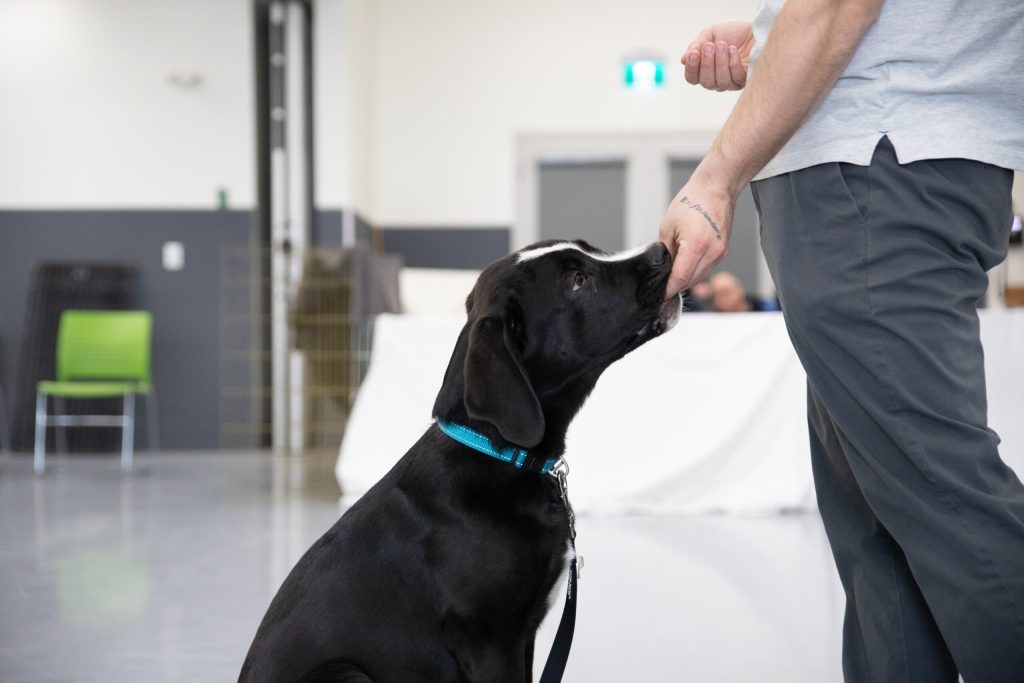
- Notice if your dog exhibits increased anxiety or restlessness without apparent cause.
- Keep track of any newfound insomnia or sleeping in unusual spots that deviate from your dog’s norm.
- Be vigilant of instances where your dog seems lost during routine activities or tasks.
Such understanding allows caregivers to better cater as well as adjust their approach, ensuring that training sessions are both effective and considerate of these cognitive changes.
4. Consistent Daily Routines and Reinforcement
Older dogs derive comfort from established patterns which deliver comfort through familiarity. By weaving training into daily routines, you lay a foundation for reinforcing good behavior while minimizing stress-induced anxiety. Establishing consistency in scheduling walks, meals, and training sessions becomes a passport to serenity and stability.
- Dedicate specific times each day for feeding, bathroom breaks, and play.
- Conduct short, engaging training sessions multiple times weekly, ideally at the same time slots.
- Combine encouragement with treats or verbal affirmations to reinforce positive actions.
By nurturing an organized environment, you help your canine friend navigate through life without the stress of unpredictability, thereby mitigating undesired behaviors such as excessive barking or hyperactivity.
3. Utilizing Positive Reinforcement Techniques
Older dogs, often more susceptible to stress due to their diminishing physical capabilities, thrive under a training regimen anchored in positivity. Positive reinforcement techniques foster desirable behaviors while circumventing fear-based training. Participating in clicker training or reward-driven approaches proves to be highly impactful.
- Deploy tasty treats or engaging toys to motivate and reward your dog during sessions.
- Practice basic commands like ‘sit’ and ‘stay’ to cultivate discipline and focus.
- Gradually introduce more challenging commands as confidence and interest increase.
This method not only assists in remedying behavioral problems but also reinforces the emotional bond and trust between you and your faithful companion.
2. Addressing Physical Needs and Limitations
Aging dogs often experience health complications such as arthritis or declining vision, which can catalyze behavioral shifts towards irritability or frustration. An unwavering awareness of these physical limitations is fundamental to successful training.
- Offer your dog comfortable beds or rest areas to promote relaxation and ease.
- Incorporate less strenuous exercises that accommodate their physical health.
- Communicate with a veterinarian regularly to manage existing health issues proactively.
By elevating their physical comfort, you enable a more balanced mood and behavior, setting the stage for productive training sessions.
1. Engaging in Mental Stimulation and Socialization
The pinnacle of tackling behavioral issues lies in keeping older dogs mentally stimulated and socially engaged. Engaging your dog with puzzle toys, nose work, or specialized senior obedience classes can energize and keep their minds agile. Engagements like play groups or dog meet-ups can enhance their self-esteem and social abilities.
- Vary cognitive tasks and toys periodically to challenge their problem-solving skills.
- Organize weekly outings that introduce your dog to novel sights and sounds.
- Facilitate interactions with other amiable, well-mannered dogs.
High levels of engagement and mental stimuli are critical for not only training purposes but also for fortifying their overall emotional and mental health as they journey through aging.
In essence, training tailored for older dogs should embody a synergy of understanding, consistency, positivity, consideration of physical confines, and cognitive engagement. These principles convey respect for the evolved needs of older dogs, allowing pet owners to foster an environment where their companions can thrive amid the challenges of aging. Ensuring that older dogs march confidently into their golden years with vitality and happiness is the ultimate reward for attentive training and loving care. Through applying the identified strategies, you can pave the way for a harmonious coexistence with your aging canine family member.
| Category | Advantages |
|---|---|
| Positive Reinforcement | Utilizing positive reinforcement techniques, such as treats and praise, effectively encourages desired behaviors while building a trusting bond between the dog and their owner. |
| Reduced Anxiety | Training can significantly reduce anxiety in older dogs, minimizing fear-based behaviors that often stem from changes in their environment or routine. |
| Mental Stimulation | Engaging older dogs in training exercises provides mental stimulation, which is crucial for their cognitive health and can help prevent the onset of behavioral issues associated with aging. |
| Behavioral Modification | Through structured training programs, behavioral modifications can be implemented to address challenges such as excessive barking, digging, or aggression, leading to a happier and more harmonious home life. |
Within the realm of addressing the behavioral issues often observed in older dogs, the importance of utilizing **positive reinforcement** cannot be understated. This training method not only fosters a deeper bond between the dog and the owner but also encourages the dog to participate willingly in the learning process. The effectiveness of this method lies in its ability to create a positive learning environment that mirrors the natural instincts of dogs—a process through which they receive rewards for good behavior.In addition, training plays a critical role in addressing and reducing anxiety in older dogs. As dogs age, they may become more sensitive to changes in their surroundings. Introducing consistent training routines can ease their fears, leading to a notable decrease in anxiety-driven behaviors and making them feel more secure in their environment. This sense of stability is essential for any dog’s well-being, particularly as they navigate through the later years of their life.Furthermore, the cognitive health of older dogs can be significantly enhanced through mental stimulation provided by training. Engaging their minds not only helps to keep them sharp but also combats the cognitive decline associated with aging. Activities like obedience training and new command learning can serve as powerful tools to ensure that older dogs remain mentally agile.Finally, addressing behavioral problems through defined training strategies yields a path toward better behavioral modification. Each situation, from excessive barking to potential aggression, can be approached methodically, allowing owners to understand the root cause of these behaviors and effectively work towards positive changes. This approach not only strengthens communication between the owner and dog but also enriches the overall living experience for both parties.
Frequently Asked Questions About Training Older Dogs
Can older dogs really learn new behaviors?
Absolutely! Despite the old adage suggesting otherwise, older dogs can indeed learn new behaviors and adapt to new situations. While they may take a little longer to adjust compared to their younger counterparts, with patience and the right techniques, it’s possible to address behavioral issues effectively. Research has demonstrated that cognitive functions in older dogs are preserved when they engage in training, enhancing their overall well-being.
What are the most common behavioral issues in older dogs?
As dogs age, certain behavioral issues may become more prominent, including increased anxiety, aggression, and stubbornness. These changes might be due to various factors such as decreased mobility, sensory deficits, or health problems. Understanding the root causes of these behaviors is crucial in determining the best training strategies to employ.
Are there specific training methods recommended for older dogs?
When it comes to training older dogs, positive reinforcement techniques are highly recommended. These methods, which include offering treats, praise, and affection, help in encouraging desired behaviors without causing stress. Patience and consistency are key, as older dogs might take longer to respond. It’s essential to consider the dog’s physical limitations and adapt the training sessions accordingly.
How long does it take to see improvements in an older dog’s behavior?
The timeline for seeing noticeable changes depends on several factors, including the dog’s past experiences, the consistency of the training, and any underlying health issues. Some improvements could be seen in a matter of weeks with consistent effort, but complex behavioral issues might require months of persistent training. A qualified trainer familiar with the needs of older dogs can provide invaluable guidance in this process.
Can a veterinarian help with behavior issues in older dogs?
Yes, consulting with a veterinarian can be extremely beneficial. Some behavioral issues may stem from medical conditions such as arthritis or cognitive dysfunction syndrome. A vet can help identify any health-related causes and provide recommendations for behavioral training or medical treatments that can mitigate the issues. Collaboration between a veterinarian and a professional dog trainer often yields the best results.
Conclusion
Addressing common behavioral issues in older dogs through training is not only possible but also vital for enhancing their quality of life and strengthening the bond between pets and their owners. As dogs age, they may develop a range of behavioral problems stemming from various causes, including health issues, changes in routine or environment, and past experiences. However, these challenges can be managed successfully with the right training approaches.
One of the most significant takeaways is the importance of understanding the underlying causes of an older dog’s behavior before beginning any training regimen. Consulting with veterinarians can help in ruling out medical causes, ensuring the training targets the real issues. Also, implementing training methods that address specific behaviors, such as increased restlessness, aggression, or anxiety, can be highly effective when tailored to individual dogs.
Training Techniques
Positive reinforcement remains a cornerstone of effective dog training, encouraging desired behaviors without fear or stress. Meanwhile, activities that provide mental stimulation and physical exercise are crucial in keeping older dogs engaged and healthy. Consistency and patience in training approaches are key as older dogs may take longer to adapt to new routines or commands.
Importance of Routine and Socialization
The establishment of a stable and predictable environment can significantly impact an older dog’s sense of security, while continued socialization helps maintain their sociability and confidence. These practices, combined with affection and attention from their human companions, contribute greatly to their well-being.
In conclusion, though training older dogs may pose unique challenges, it offers an opportunity to deepen the human-animal bond and enhance the lives of our senior canine companions. By drawing upon expert guidance, consistent training methods, and a little patience, pet owners can successfully navigate these common behavioral issues, leading to a happier and more harmonious household.