Gamification in Self-Directed Learning: Using Game Elements to Enhance Practice Techniques
The Power of Gamification in Modern Learning Environments
In recent years, the landscape of education has undergone significant transformation, evolving from traditional pedagogical methods to more interactive and engaging approaches. One of the most groundbreaking strategies in this new educational paradigm is gamification, which integrates game mechanics into learning processes, making education not only more enjoyable but also more effective.
Gamification harnesses elements commonly found in video games to encourage learning. Let’s delve into some key features:
- Points and Scoring: By assigning points for completed tasks, students can see tangible evidence of their progress. This technique motivates learners to push their limits and stay engaged. For instance, platforms like Duolingo use scoring systems to encourage daily practice, compelling users to reach milestones and maintain streaks.
- Levels and Badges: Recognizing accomplishments through levels and badges instills a sense of achievement in learners. Consider how students in a STEM program earn badges for completing complex challenges; these rewards can serve as personal trophies that enhance their self-esteem and drive for excellence.
- Challenges and Quests: Incorporating engaging activities that mimic quests can foster exploration and skill-building. For example, educators might design a project-based learning scenario where students must solve real-world problems, akin to a treasure hunt, promoting both creativity and critical thinking.
Research consistently shows that gamification can transform learning experiences. Studies have indicated that the incorporation of game-based elements in educational settings can:
- Increase motivation and participation, as students are more likely to engage in learning activities that feel enjoyable and game-like.
- Enhance retention of knowledge, with learners able to recall information better when it is presented in a playful and interactive manner.
- Encourage collaboration among peers, fostering teamwork as students often compete or collaborate on challenges, thereby building essential social skills.
As we further explore this fascinating concept, it is clear that gamification holds the potential to significantly elevate the quality of self-directed learning. By tapping into intrinsic motivations, educators can create dynamic, impactful experiences that not only enhance learning outcomes but also nurture a lifelong passion for knowledge. The road ahead invites us to investigate how different gamified features can be successfully implemented across various educational contexts, inspiring both educators and learners to embrace a brighter, more engaging future in education.
DISCOVER MORE: Click here to explore top learning platforms
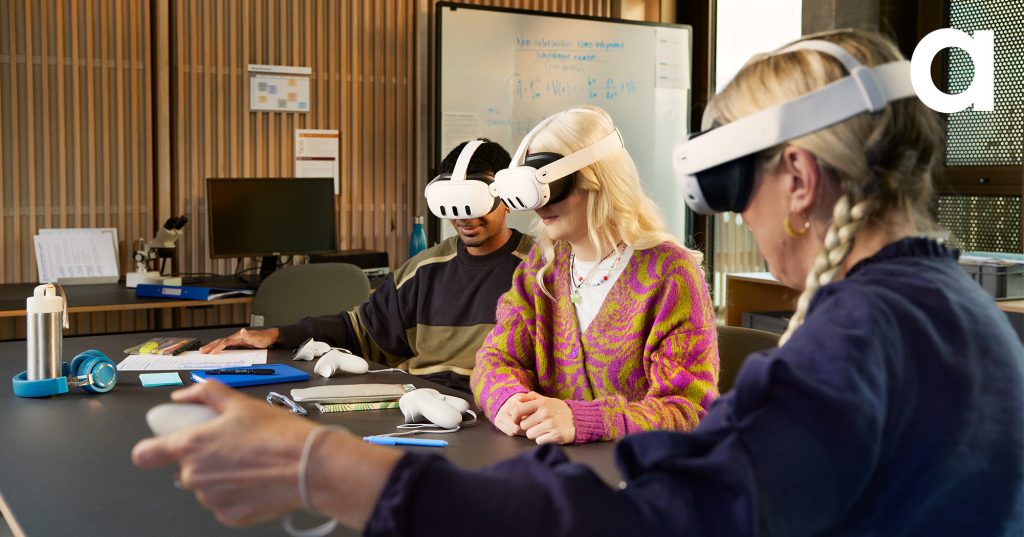
Unlocking Engagement Through Game Mechanics
As the educational landscape continues to evolve, the concept of self-directed learning has gained considerable traction. This approach empowers learners to take control of their educational journeys, fostering independence and accountability. However, the challenge lies in maintaining motivation and engagement over time. This is where gamification steps in, turning mundane practice techniques into dynamic and captivating experiences.
To understand how gamification can revolutionize self-directed learning, it is essential to explore several game elements that can be effectively integrated into various learning environments:
- Feedback Loops: Immediate feedback is a cornerstone of effective learning, and gamification provides an avenue for real-time assessment. Through symbols, notifications, or leaderboards, students receive prompt updates on their progress. For instance, a language learning app might instantly inform users when they make progress toward mastering new vocabulary, reinforcing their commitment to the learning process.
- Social Interaction: Learners thrive in social settings, and gamification encourages collaboration through group challenges and competitions. Incorporating elements like team-based missions can lead to the formation of study groups or peer networks. Research suggests that when students collaborate on gamified tasks, they not only share knowledge but also deepen their understanding of the subject matter through discussion and exploration.
- Customizable Experiences: Personalization is vital in maintaining student interest. Gamification allows learners to choose their learning paths, set personal goals, and select challenges that resonate with their interests. An example can be seen in coding platforms where students can select projects that align with their career aspirations, enhancing both relevance and motivation.
Moreover, integrating game elements into self-directed learning promotes a sense of autonomy and accomplishment. By allowing learners to set their own goals and choose their activities, educators can foster an environment where students feel empowered to explore and experiment. This intrinsic motivation often results in higher levels of engagement and persistence.
Schools and organizations across the United States are starting to recognize the inherent benefits of gamification in self-directed learning. Take, for instance, educational technology companies developing platforms that utilize these game-like elements to facilitate skill acquisition. Many of these tools encourage students to engage with learning materials frequently, thereby reinforcing concepts through repeated practice.
As we delve deeper into this topic, it is crucial to examine the successful implementations of gamification strategies. Schools that have incorporated leaderboards and achievement systems into their curricula often witness significant improvements in student engagement and performance. The idea is not merely to make learning fun but to create a framework where students are actively invested in their educational outcomes.
In summary, gamification offers promising opportunities for self-directed learners to thrive in their pursuits. By leveraging game mechanics, educators can enhance practice techniques, leading to greater motivation and retention of knowledge. This exploration of gamification will unfold further as we investigate various practical applications and the potential it holds for reshaping learning experiences.
Gamification Techniques and Their Impact
Gamification integrates game design elements into non-game contexts, fostering increased engagement, motivation, and performance. In the realm of self-directed learning, these elements can be transformative. By incorporating points, badges, and leaderboards, learners are encouraged to take charge of their educational journey, enhancing their experience through achievable goals and tangible rewards.A prime example of this technique is the use of progress tracking. Learners can visually track their achievements, which can stimulate a sense of accomplishment and encourage continued effort. Moreover, the competitive aspect fosters a supportive learning environment, where individuals can challenge their peers and exchange knowledge, enhancing collaboration.Additionally, the narrative aspect of gamification, which involves storylines and challenges, can contextualize learning experiences, making them more relatable and memorable. When learners engage with a storyline, they are more likely to retain information and find the process enjoyable. To further explore the exciting potential of gamification in self-directed learning, we can observe various platforms implementing these strategies successfully. These examples illustrate the effectiveness of integrating game elements to not only engage learners but also to aid in deeper understanding and mastery of practice techniques.
| Gamification Element | Advantages |
|---|---|
| Points System | Encourages progress tracking and motivation. |
| Badges | Recognize achievements and foster a sense of accomplishment. |
| Leaderboards | Promote healthy competition among learners. |
| Narratives | Contextualize learning, making it more engaging and relatable. |
Within this framework, gamification serves as a bridge connecting learners with their goals, transforming isolated study routines into interactive, achievement-driven experiences. As more educators recognize the importance of these elements, the landscape of self-directed learning continues to evolve, offering a promise of lifelong learning filled with motivation and excitement.
DISCOVER MORE: Click here to unlock practical skills
Transforming Learning with Rewards and Challenges
The incorporation of game elements into self-directed learning doesn’t end with feedback and social interaction; it also creates significant opportunities through reward systems and challenges. By adding a structured reward framework, educators can harness the natural human desire for recognition and achievement, incentivizing learners to reach their goals. Reward systems can take many forms, from digital badges to earning points that lead to tangible prizes. For instance, platforms like Duolingo employ a heart system where users lose hearts with incorrect answers but can earn them back by practicing correctly. This type of system not only motivates learners to improve but reinforces their learning journey.
In addition to reward systems, the use of challenges plays a pivotal role in enhancing motivation. Learners are prompted to engage with their material through game-like challenges that address varying skill levels. For example, fantasy-themed math games provide students with quests that require problem-solving to advance through a storyline. This format encourages learners to tackle difficult concepts, knowing that completion unlocks new levels or rewards.
Furthermore, progress tracking is another essential gamification element that aligns perfectly with self-directed learning objectives. Learners can visualize their journey through dashboards or progress bars, celebrating small milestones along the way, which helps sustain motivation over longer periods. Research has demonstrated that when learners can see concrete evidence of their progress, they are more likely to remain engaged and persist through challenges. Platforms such as Khan Academy utilize progress tracking features, allowing students to witness their advancements in real time.
The success of gamification in education is not merely anecdotal. A study conducted by the University of Colorado Boulder highlighted that students who participated in gamified learning experienced a 54% increase in performance compared to their peers engaged in traditional settings. This underscores the potential of gamification to facilitate deeper learning and retention while redefining engagement metrics.
Additionally, integrating adaptive learning technologies within a gamified environment presents a frontier that enhances self-directed learning by personalizing educational experiences based on individual performance. Tools like Smart Sparrow and DreamBox Learning analyze student interactions to tailor challenging content that matches their specific needs, creating a more relevant and effective learning path.
Individual educators can also transcend traditional models by incorporating gamified elements in their classrooms. Gamification can manifest in simple classroom scenarios, such as creating point-based competitions with classroom tasks or implementing badges for accomplishments in subjects ranging from science to language arts. This empowers educators to keep their classes dynamic, encouraging students to actively participate and learn collaboratively.
These advancements exemplify the evolving landscape of education, where innovation and technology meld to address the enduring challenge of student engagement. From the utilization of reward systems and challenges to the impact of adaptive learning technologies, gamification proves to be a transformative tool that can redefine self-directed learning.
As we continue to explore this multidimensional approach, the spotlight will remain on how these emerging applications can further influence educational practices, leading to an enriched experience for learners eager to embark on their self-directed journeys.
DIVE DEEPER: Click here to discover more
Conclusion: Unlocking Potential through Gamification
The rise of gamification in self-directed learning represents a significant shift in how educational practices can be reimagined. By integrating game elements such as reward systems, challenges, and progress tracking, educators and learners alike can benefit from enhanced motivation and engagement. These elements work synergistically to create an environment where learners feel empowered to take charge of their educational journeys, motivating them to pursue their goals with renewed enthusiasm.
Emerging research highlights that gamified learning not only improves performance but also fosters deeper retention of knowledge. The incorporation of adaptive learning technologies alongside gamified strategies allows for a personalized educational experience, catering to the specific needs of each learner. This combination enhances the relevance of content, making it easier for individuals to connect with their learning objectives.
As educators increasingly embrace these innovative methodologies, the possibilities for transforming traditional self-directed learning approaches are boundless. Simple implementations, like classroom competitions or badge systems, can invigorate the learning process, making it dynamic and interactive. The opportunity for educators to harness gamification as a tool extends beyond mere engagement—it cultivates a culture of continuous learning and curiosity.
In conclusion, the exploration of gamification in self-directed learning not only enriches educational practices but also redefines learner agency in the digital age. By embracing these methodologies, we set the stage for a future where learning is not only effective but also enjoyable. For those intrigued by this evolution in education, the journey into gamification offers a compelling narrative that invites further investigation and application across diverse learning landscapes.