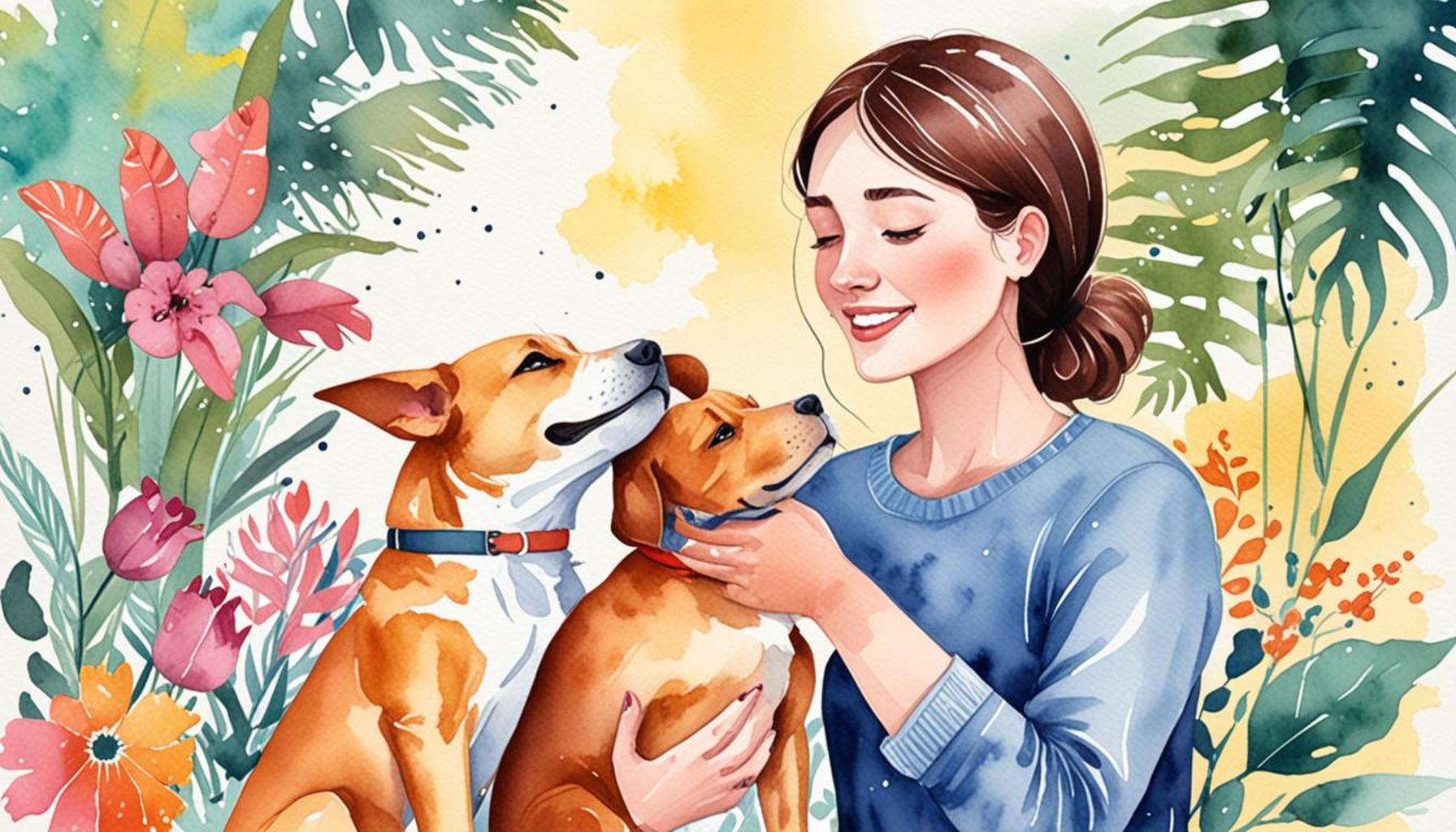
How the Home Environment Affects Pet Behavior and Strategies to Improve It
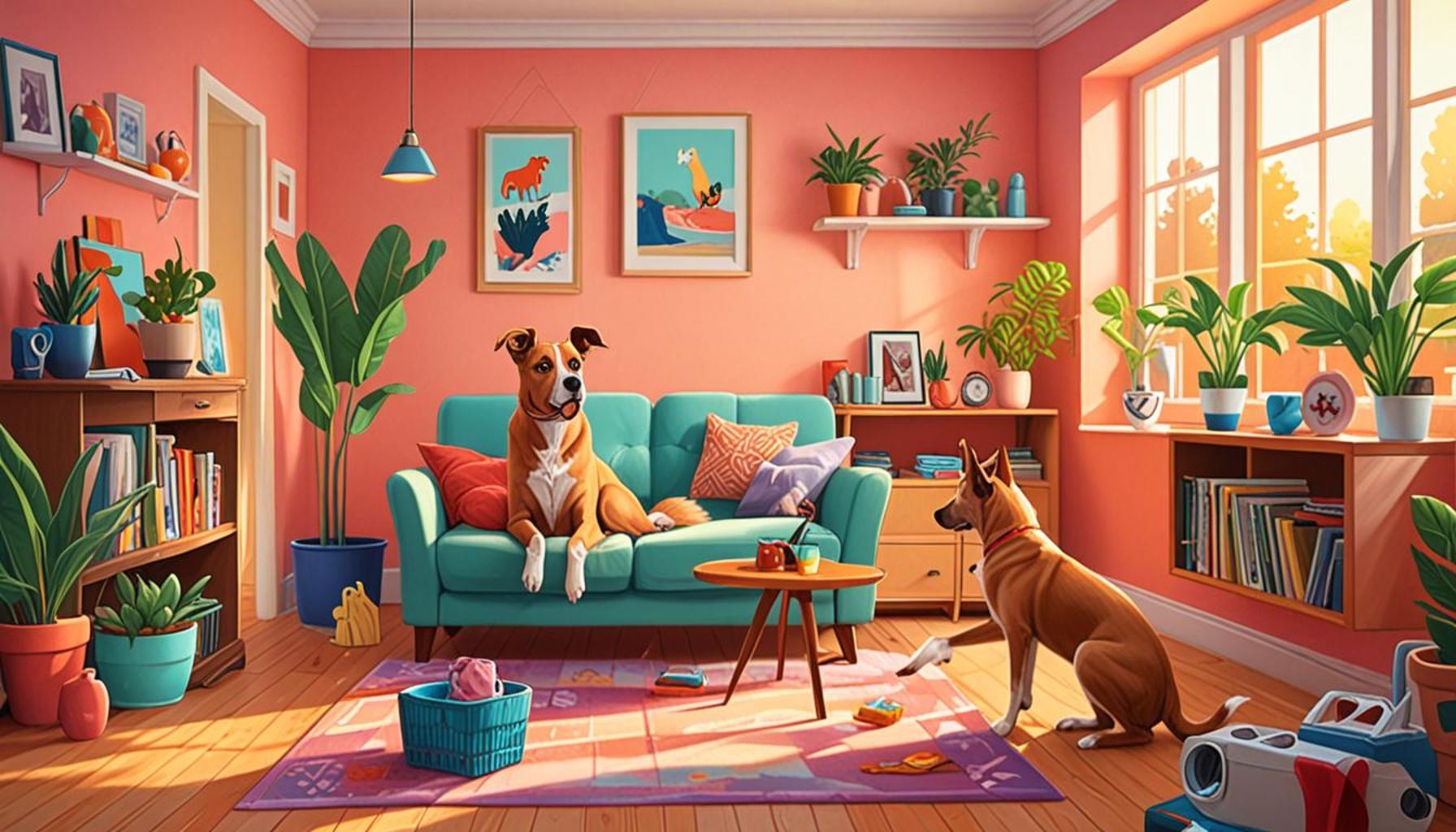
The Home Environment’s Role in Pet Behavior
The environment we create for our pets goes beyond aesthetics and comfort; it plays a pivotal role in shaping their behavior and emotional well-being. Owners often underestimate how elements in their home can either facilitate a joyful pet experience or contribute to anxiety and behavioral problems. By understanding the link between home dynamics and pet behavior, owners can take significant steps toward ensuring their furry companions lead happier lives.
Space and Layout
The physical space available to a pet can profoundly influence their behavior. For instance, dogs thrive in open areas where they can run freely and explore. In a cramped apartment, a high-energy breed may feel restricted, leading to restlessness and behavioral issues like excessive barking or chewing on furniture. Conversely, a spacious home with designated play areas can encourage physical activity and mental stimulation, allowing pets to engage in universal behaviors such as fetching or chasing.
Noise Levels
Homes filled with loud noises—whether from traffic, construction, or even loud household appliances—can create a tense atmosphere. For many pets, especially those that are more sensitive such as cats and small dog breeds, high noise levels can lead to increased anxiety, manifesting in escape behaviors or hiding. Implementing soundproofing measures or providing calming background noise (like soft music or nature sounds) can create a more serene space for pets.
Routine and Stability
Pets, like humans, thrive on routine. Establishing a consistent daily schedule for feeding, walks, and playtime helps pets feel secure in their environment. Such predictability can significantly reduce behavioral challenges; dogs, for instance, may exhibit less anxious behavior when they know exactly when to expect their next outing. Infusing routines with positive reinforcement through treats or affection can encourage desirable behavior and strengthen the bond between owner and pet.
Interaction with Family Members
The nature of a pet’s interaction with family members is another influential factor. A nurturing, inclusive environment fosters positive social behaviors in pets. Regular family engagement through playtime or training sessions not only strengthens relationships but also enhances the pet’s social skills. Pets raised in homes with ample affection and care generally exhibit more balanced behavior compared to those raised in neglectful or hostile environments.

Enhancing the Home Environment for Pets
Fortunately, creating a more suitable home environment for pets is achievable with a few thoughtful changes. For example:
- Calm Spaces: Designate quiet areas using cozy beds or blankets where pets can retreat when they need rest or feel overwhelmed.
- Interactive Play: Set aside regular times for engaging with pets through play that challenges their minds and bodies. This could be through fetch, puzzle toys, or tug of war.
- Training and Routine: Invest time in training sessions that promote structure, ensuring pets learn important commands while benefiting from mental stimulation.
By examining each of these factors in detail, pet owners can tailor their home environments to nurture the emotional and behavioral health of their pets. Every adjustment made can yield substantial improvements, leading to a more harmonious coexistence between humans and their beloved animal companions.
DON’T MISS: Click here to ensure your pet stays healthy
Understanding the Key Elements of a Pet-Friendly Home
A pet’s behavior isn’t solely a reflection of its upbringing or breed; it is greatly influenced by the home environment in which it lives. Various factors within this environment can either support positive behavior or foster anxiety and undesirable habits. By identifying these elements, pet owners can make informed modifications that enhance the well-being of their furry friends.
Social Interaction and Family Dynamics
Pets are highly social creatures, often reflecting the emotional climate of their home. The quality of social interaction between pets and family members can greatly influence behavior. A pet that receives consistent affection, attention, and social stimulation is likely to exhibit more balanced and confident behavior. In contrast, pets raised in environments where interaction is sparse or harsh may develop behavioral issues stemming from anxiety or fear. Observing how and when family members engage with pets can reveal a lot about the emotional state of the animals. Regular family activities, like training sessions or playful encounters, can forge deeper connections and encourage more desirable behaviors.
Environmental Enrichment
Indoor pets, in particular, require a stimulating environment to perform what are known as natural behaviors. These can include climbing, scratching, or foraging. A lack of environmental enrichment can lead to boredom, which may manifest in destructive behaviors such as clawing furniture or excessive barking. To combat this, owners can implement enrichment strategies that cater to their pets’ innate instincts. Some effective methods include:
- Interactive Toys: Providing toys that challenge pets mentally, such as puzzle boxes or treat dispensers.
- Vertical Space: Cats, for instance, enjoy climbing. Installing shelves or stimulating cat trees fosters exploration and a healthy physical outlet.
- Consistent Rotation: Frequently rotating play items keeps the environment fresh and interesting for pets, thus reducing the likelihood of boredom.
Safety and Comfort
Ensuring a safe environment is paramount for any pet’s emotional well-being. Hazardous items such as toxic plants, open chemicals, or sharp objects can create a stressful home atmosphere. Creating a pet-proofed environment—where potential dangers are minimized—can significantly ease a pet’s anxiety. Furthermore, providing comfortable resting spaces with cozy bedding or designated “safe zones” where pets can retreat during stressful moments contributes positively to their overall mental health. A sense of security fosters confidence, leading to improved behavior.
The Impact of Your Lifestyle
Finally, the lifestyle of the household can dramatically affect pet behavior. High levels of chaos or upheaval, such as frequent moves or large gatherings, can unsettle pets. Developing a pet care schedule that accommodates the needs of all household members, while also allowing pets to maintain regular routines, can facilitate a positive environment. When pets experience less erratic changes, their behavioral responses tend to stabilize, leading to a more relaxed companion.
By critically assessing how each aspect of the home influences pet behavior—ranging from interactions with family to the level of environmental enrichment—owners can take proactive steps to create a more nurturing atmosphere. Tailoring the home environment to fit the unique needs of each pet not only enhances their daily lives but strengthens the bond between humans and their animal companions. Through understanding and strategically improving their living spaces, pet owners can significantly enhance their pets’ happiness and well-being.
Understanding Pet Behavior in the Home Environment
The home environment plays a critical role in shaping pet behavior. Factors such as layout, noise levels, the presence of other pets, and overall ambiance can significantly influence how pets act and react. For instance, a cluttered space may lead to increased anxiety in pets, while a calm and organized environment can foster a sense of security and well-being.
Environmental Factors Influencing Behavior
Pets are incredibly sensitive to their surroundings. Changes in temperature, light, and even the scent of the home can affect their mood and behavior. For example, too much noise from television or external sources can stress pets, causing them to bark excessively or hide. Similarly, homes lacking natural light can result in lethargy or depressive behaviors in pets.Additionally, the layout and access to different areas of the home can impact how pets feel. Open spaces promote exploration and play, while restricted areas might lead to frustration and unease. Creating dedicated zones for relaxation and play can significantly enhance the quality of life for pets.
Strategies to Improve Home Environment for Pets
To mitigate negative influences, pet owners can implement various strategies. Establishing a consistent routine helps pets feel secure. Incorporating interactive toys and engaging activities can stimulate their minds and prevent boredom. Designating quiet areas can also provide pets with a safe haven to retreat when overwhelmed.Consider introducing elements such as calming scents or soothing music that are known to lower anxiety levels in animals. Additionally, regular grooming and exercise are essential for maintaining both physical and mental health.By understanding how the home environment influences pet behavior and actively working to improve these conditions, owners can foster a happier, healthier space for their beloved companions. Providing a nurturing atmosphere tailored to pets’ unique needs is fundamental in ensuring their well-being.
| Category 1 | Category 2 |
|---|---|
| Environmental Factors | Lighting, noise levels, and home layout |
| Improvement Strategies | Routine, calming elements, designated play areas |
Through understanding and addressing the various aspects of the home environment, pet owners are better equipped to enhance their pets’ behavioral health and overall happiness.
DISCOVER MORE: Click here for effective training tips
Creating a Calmer Atmosphere for Pets
Fostering a peaceful home environment can have a profound effect on pet behavior. Many pets are sensitive to noise and chaotic settings, which can induce heightened stress levels and lead to negative behavioral manifestations. Understanding how to manage and mitigate these stressors is crucial for pet owners who seek to provide a nurturing space for their furry companions.
Noise Management
Pets often react strongly to loud noises such as thunder, fireworks, or even everyday household activities. These sounds can trigger anxiety or lead to unwanted behaviors like hiding or excessive barking. To alleviate these disturbances, pet owners can employ several strategies:
- Soundproofing Areas: Create designated quiet zones where pets can retreat during noisy events by using sound-absorbing materials like thick curtains or rugs.
- White Noise Machines: These devices can help mask loud sounds and provide a calming background noise for pets, especially during thunderstorms or firework displays.
- Calming Aids: Consider using pheromone diffusers or calming music specifically designed for pets. Research indicates that certain frequencies can have relaxing effects on animals.
Routine and Predictability
Pets thrive on routine, and a predictable schedule can significantly reduce anxiety-related behaviors. Dogs, for instance, benefit from consistent walk times, feeding schedules, and play sessions. Similarly, cats appreciate regular interactive play to maintain their mental and physical health. By establishing a routine, pet owners can provide a sense of security and stability that leads to more favorable behavior.
Physical Space and Boundaries
The physical layout of a home can also impact pet behavior. An open floor plan may seem inviting for social interaction, but pets may feel overwhelmed if they have too much space to traverse. Creating defined spaces with pet-friendly barriers, such as gates, can help manage their environment more effectively. This is especially important for multi-pet households, where competition for resources can lead to stress or aggression. Establishing personal zones for each pet, complete with their items like beds and toys, fosters a sense of ownership and reduces tension.
Incorporating Nature
Bringing elements of nature indoors has been shown to provide psychological benefits not just for humans, but for pets as well. Natural light, plants, and even outdoor views can improve mood and reduce stress levels. Indoor plants, such as spider plants or cat grass, can not only beautify the home but also engage a pet’s curiosity and interest. Care must be taken, however, to choose non-toxic options for curious pets who love to chew.
A pet’s interaction with nature doesn’t need to be limited to indoor experiences. Regular outdoor excursions, such as walks or visits to pet parks, facilitate physical exercise, create enriching environments, and provide a change of scenery that can enhance overall well-being. This connection to nature can be fundamental in promoting relaxation and confidence in pets, enabling them to exhibit calmer behavior.
The Role of Training and Positive Reinforcement
Effective training techniques that utilize positive reinforcement have a significant effect on how pets behave within the home environment. Training not only teaches pets manners but also helps them understand expected behaviors in various situations. Incorporating commands and rewarding desirable actions rather than punishing undesirable ones fosters trust and respect between the pet and owner. This bond is essential in creating a more harmonious atmosphere, where pets can attain the skills to cope with the dynamics of their environment.
By intentionally addressing noise levels, establishing routines, designing physical spaces, connecting pets with nature, and implementing effective training methods, owners can create an environment that supports positive behavior and strengthens the bond with their pets. Discovering these insights paves the way for a happier and more harmonious household for pets and their families.
DISCOVER MORE: Click here to learn about cat behavior
Conclusion: Crafting a Pet-Friendly Home for Harmony and Happiness
In summary, the home environment plays a pivotal role in shaping pet behavior, impacting their emotional well-being and overall happiness. Recognizing the significance of noise management, routine establishment, and spatial design empowers pet owners to create nurturing atmospheres that foster positive behavior. By minimizing stressors and enhancing predictability, pets can feel safe and secure within their surroundings.
The careful incorporation of natural elements not only beautifies the home but also promotes mental stimulation and relaxation for pets. Regular outdoor activities further enrich their lives, allowing pets to develop confidence and adaptability. Additionally, employing effective training strategies rooted in positive reinforcement reinforces good behavior while strengthening the bond between pet and owner.
Ultimately, investing time and effort into improving the home environment can lead to remarkable changes in pet behavior. As pet owners navigate the complexities of creating a harmonious household, they may find that a happier pet results in a more satisfying living experience for everyone involved. For those seeking greater insight into enhancing their pet’s lives, exploring resources on behavior modification, training techniques, and environmental enrichment can be invaluable. Embracing these strategies opens the door to a fulfilling relationship with our loyal companions and a thriving home environment.