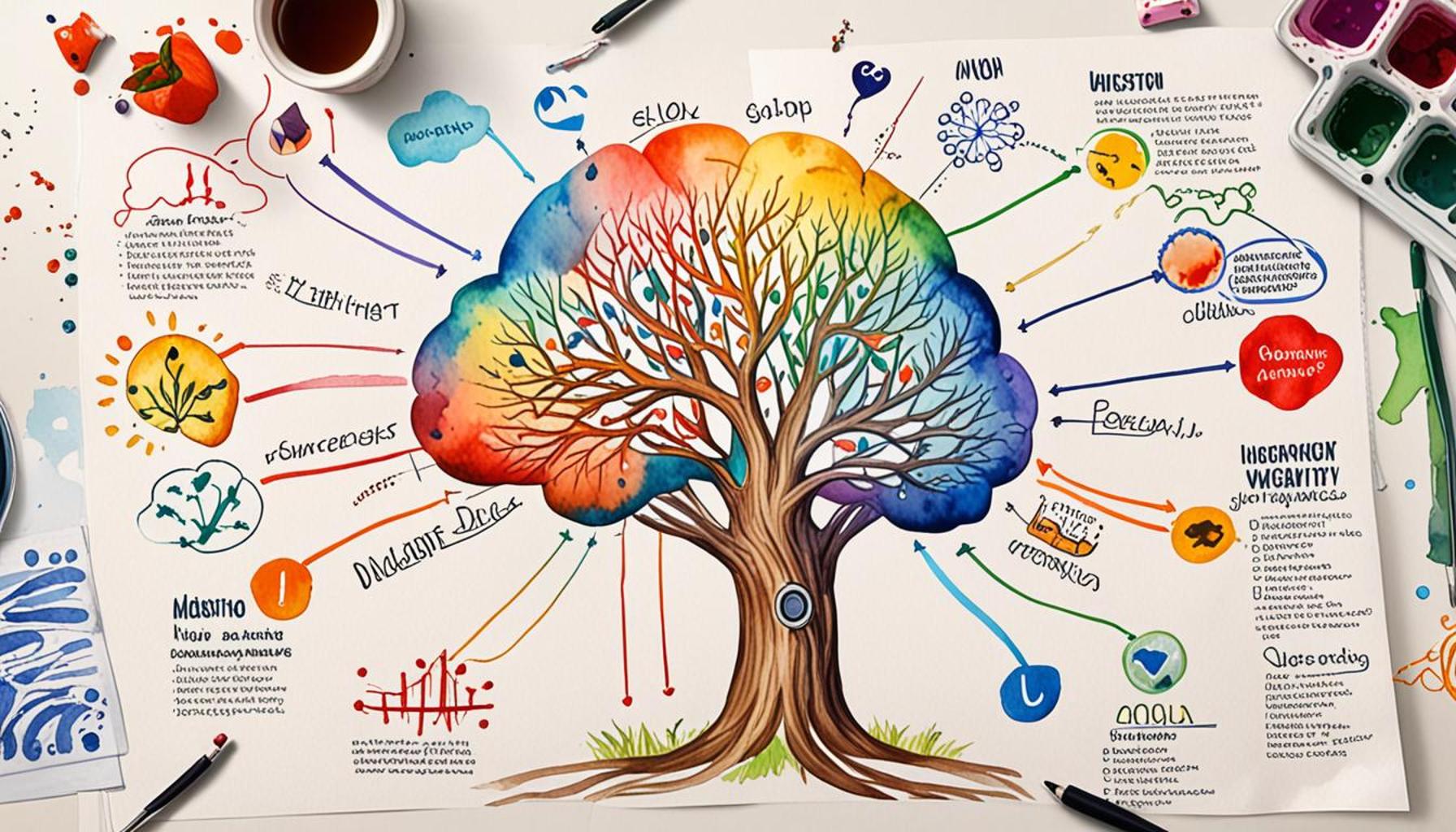
Leveraging Project Management Tools for Effective Skill Learning

Transforming Skills with Project Management Tools
The evolution of technology has revolutionized the way individuals enhance their skills. Today, harnessing project management tools can drastically improve the learning process, offering a structured approach to skill acquisition. By incorporating these innovative solutions, learners can tackle complex subjects and develop various competencies with more efficacy than ever before.
These tools help learners track progress, collaborate effectively, and manage time efficiently. Consider the following benefits of using project management tools for skill learning:
- Organization: Project management tools provide a centralized hub for storing learning objectives, resources, and deadlines. For instance, a skill development project may involve various multimedia resources—videos, articles, and podcasts. Having all these materials neatly organized in one place, such as a Trello board, means that users can easily access what they need without wasting time searching.
- Collaboration: Learning does not have to be a solitary endeavor. Many project management platforms, like Asana, are designed to facilitate collaboration among peers. Learners can easily invite others to join their projects, exchange ideas, provide feedback, and even create group tasks. This interaction fosters a richer learning environment that encourages shared knowledge and peer learning.
- Time Management: Learning new skills often requires setting clear deadlines to keep oneself accountable. Tools like Monday.com allow users to create timelines and milestones for mastering specific skills. This not only promotes accountability but also provides a visual representation of one’s progress, motivating learners to push through challenging phases.
Furthermore, numerous project management tools are tailored for various learning styles. Whether you are a visual learner who benefits from boards and timelines or a more analytical learner who prefers lists and detailed descriptions, there is a project management solution available. For example, Trello’s card-based layout simplifies breaking down complex projects into manageable tasks, while Asana offers robust tracking features that help users stay on top of multiple skills concurrently.
By grasping how to leverage these tools, learners can streamline their study practices and achieve objectives more systematically. The integration of project management methodologies into personal learning experiences not only enhances productivity but also cultivates essential skills such as planning, critical thinking, and communication. Dive deeper into the world of project management tools and discover how to elevate your skill learning experience—because the key to mastering new capabilities lies in embracing the right approach.
DISCOVER MORE: Click here to enhance your skills
Maximizing Learning Potential through Structured Approaches
In an era where time is of the essence and skills are essential for professional growth, leveraging project management tools for skill learning has become a game-changer. The structured approach these tools offer not only helps streamline the learning process but also maximizes the effectiveness of every minute spent cultivating new abilities. By adopting such an organized method, learners are able to navigate the complexities of learning new skills while maintaining focus on their overarching goals.
One of the primary advantages of utilizing project management tools is their ability to break learning objectives down into manageable tasks. This decomposition allows learners to set specific, measurable, achievable, relevant, and time-bound (SMART) goals. With platforms like Notion or Wrike, users can create detailed to-do lists that break a skill—such as mastering a programming language—into bite-sized tasks, such as understanding syntax, writing basic functions, and developing small projects. This clear delineation can significantly boost motivation as learners check off completed tasks, seeing tangible progress over time.
Moreover, project management tools often include integrated calendars and reminders. These features play a crucial role in encouraging learners to stay on track. For example, one can set reminders for practice sessions or deadlines for project submissions, which helps foster a routine and make learning a habit. As learners synchronize their personal calendars with their project management tools, they can also see their time commitments clearly, facilitating better prioritization of tasks.
In addition to organization and time management, the collaborative features of many project management tools create opportunities for social interaction and shared experiences. Following the collaborative model of platforms like ClickUp or Basecamp, learners can engage with mentors, instructors, or fellow learners. This not only allows for real-time feedback but also creates a community of learning where ideas can be exchanged, fostering richer insights. For instance, a group of aspiring graphic designers can collaborate on a project using these tools, sharing resources and feedback, while navigating the complexities of a design challenge together.
- Enhancing Accountability: Engaging in collaborative projects encourages peer accountability. When team members hold each other responsible for task completion, individuals are more likely to stay committed to their skill development.
- Facilitating Resource Sharing: Tools allow learners to upload files, links, and notes for easy access by all team members, enriching the learning experience.
- Encouraging Diverse Learning Techniques: Collaboration enables participants to share different learning styles and techniques, which can help enrich the overall understanding of the subject.
The capabilities of project management tools extend beyond the mere organization and collaboration. They empower learners to take control of their educational journey, driving effective skill acquisition through meticulously planned and executed strategies. As you delve deeper into the possibilities of integrating these tools into your skill-building endeavors, you will uncover invaluable methods that can help you stay organized, motivated, and engaged.
| Advantage | Description |
|---|---|
| Improved Collaboration | Project management tools facilitate team communication and information sharing, enhancing group dynamics and efficiency. |
| Real-Time Progress Tracking | Utilizing dashboards and reporting features enables learners to monitor their progress, identify areas for improvement, and adjust their strategies in real time. |
Leveraging project management tools is a crucial strategy in today’s educational landscape, especially for effective skill learning. These tools not only streamline project organization but also empower individuals with critical insights into their learning journeys. With improved collaboration being a primary advantage, teams experience enhanced communication that leads to more meaningful learning outcomes. Further enriching this process, real-time progress tracking involves interactive dashboards that provide immediate feedback on tasks and objectives, allowing users to pivot or refine their learning processes swiftly. By harnessing these features effectively, learners can cultivate a proactive approach toward skill acquisition, ensuring they remain ahead in their domains. Emphasizing these tools’ benefits leads to a deeper understanding of their transformative potential for both individual and collaborative learning experiences.
DISCOVER MORE: Click here to learn how to enhance your self-directed learning
Fostering Continuous Improvement and Feedback Loops
Beyond organization and cooperation, project management tools excel in fostering an environment conducive to continuous improvement and effective feedback loops. These features are crucial for learners who seek not only to acquire new skills but also to refine them over time. The iterative process of learning through structured feedback mechanisms can profoundly affect skill mastery, particularly in fast-evolving fields like technology and design.
Many project management platforms utilize built-in features to enhance feedback collection, such as comment sections and review boards. For instance, tools like Trello allow users to create interactive boards where feedback is not only welcome but expected. These feedback loops encourage learners to seek criticism and perspective from peers or supervisors. As learners submit their projects or tasks for review, they can gain valuable insights on areas of improvement, effectively turning the learning experience into a dialogue rather than a monologue.
Additionally, the analytics and reporting features many project management tools provide can significantly impact skill acquisition. With these analytics, learners can track their progress toward their learning goals in a quantitative manner. Tools like Asana offer visualizations of task completion rates and deadlines, which can help individuals identify bottlenecks in their learning processes. By understanding trends and progress patterns, learners can adjust their strategies in real-time, allocating more time to challenging areas or shifting focus altogether if necessary.
The integration of multimedia resources available on these platforms further enhances the skill learning experience. For example, platforms such as Monday.com allow users to link videos, articles, and online courses directly to specific tasks. This does not just make resources more accessible; it also enables learners to engage with material that aligns closely with their immediate learning objectives, creating a more targeted and efficient educational journey. Imagine being halfway through a project on data analysis and being able to directly link a tutorial on data visualization to enhance your understanding.
- Promoting Reflection: Regular opportunities for feedback encourage users to reflect on what they have learned, reinforcing knowledge retention and deeper understanding.
- Encouraging Adaptive Learning: The ability to see one’s progress and receive feedback in real-time allows learners to pivot their strategies as necessary, creating a dynamic learning atmosphere.
- Facilitating Lifelong Learning: These features empower individuals to maintain a mindset of continuous improvement, which is critical in adapting to evolving job market demands.
As you explore the various functionalities of project management tools, it becomes evident that they serve as more than just organizational aids; they are essential components in a comprehensive learning strategy. By implementing these tools with an eye towards incorporating feedback and improving skills iteratively, learners position themselves not only to acquire knowledge but to evolve into competent professionals ready to tackle the future’s challenges.
DISCOVER MORE: Click here to learn about cultivating a growth mindset
Conclusion: Transforming Learning Through Project Management Tools
In today’s fast-paced digital landscape, leveraging project management tools has become indispensable for effective skill learning. These platforms not only streamline collaboration and task tracking but also transform the way learners approach their educational journeys. By incorporating mechanisms for continuous feedback, learners can engage in a dialogue that fosters deeper understanding and refinement of their skills.
The analytics capabilities inherent in these tools, such as those found in Asana and Trello, provide valuable insights that allow individuals to monitor their progress meticulously. This data-driven approach empowers learners to identify areas needing more focus, thereby adapting their strategies dynamically. Moreover, integrating multimedia resources directly into tasks encourages immediate application of knowledge, facilitating a more personalized learning experience.
The benefits of these tools extend beyond immediate skill acquisition; they instill a mindset of lifelong learning and adaptability, which is crucial in an ever-evolving job market. A commitment to regular reflection and feedback ensures that learners not only remain relevant but also thrive in their respective fields. As we advance into a future punctuated by technological advancements, embracing project management tools as an integral part of the learning process could very well define the next generation of proficient professionals.
In summary, by fully utilizing the features of project management tools, individuals can effectively bridge the gap between knowledge and skill mastery, turning ambition into achievement. Explore the available options and discover how they can serve as catalysts for your learning journey.