Master Puppy Training Effective Techniques for New Dog Owners

Bringing a new puppy into your home is an exhilarating experience filled with joy and adventure. However, it also comes with the responsibility of ensuring proper training to foster a well-behaved companion. With the right techniques, you can set the groundwork for a positive relationship between you and your furry friend.
Effective puppy training is crucial for several reasons:
- Prevention of Behavioral Issues: Proper training helps address common problems like biting, chewing, and excessive barking.
- Establishing a Healthy Routine: Training sessions can help include routine tasks, such as potty training and socialization, ensuring a smoother transition into your home.
- Strengthening the Bond: Engaging in training together fosters trust and connection between you and your puppy.
This article will guide you through the Top 5 effective training techniques that every new puppy owner should know. By applying these methods, you can enhance your puppy’s learning experience and enjoy the journey of raising a happy, obedient dog.
Effective Training Techniques for New Puppy Owners: Top 5 Strategies
Bringing a new puppy into your home is an exhilarating experience, filled with joy, cuddles, and, yes, plenty of challenges. To ensure that your furry friend grows into a well-adjusted and obedient adult dog, effective training is essential. The bond between a dog and its owner is enriched through training, creating a mutual understanding and respect. In this article, we will delve into the top five effective training techniques for new puppy owners, ranging from mastering basic commands to addressing occasional behavioral issues. Let’s dive in and discover the best methods to foster a positive and rewarding experience with your new companion!
5. Socialization
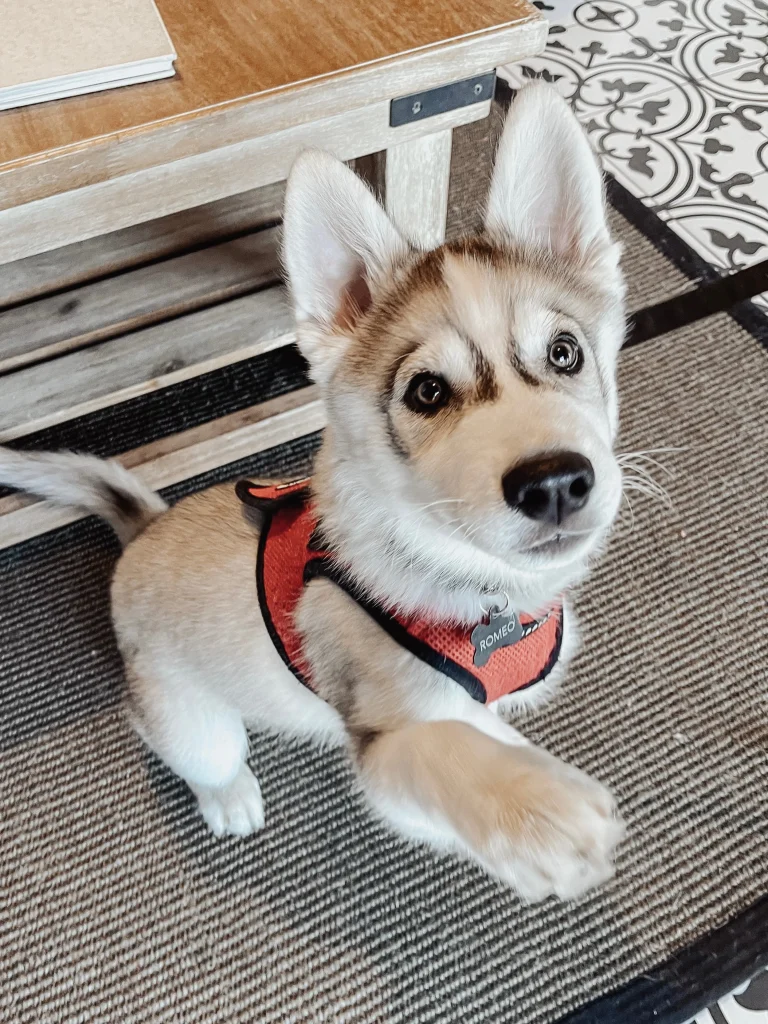
Socialization is a critical first step in your puppy’s training journey. Like a blank slate, puppies are eager to learn and experience new things. Exposing your puppy to a myriad of environments, people, and other animals will help them become well-rounded, adaptable, and confident. This process entails more than simply introducing them to various sights and sounds; it involves positive interactions that build your puppy’s confidence.
- Take your puppy for walks in different areas such as parks, beaches, and urban environments to experience varied landscapes and atmospheres.
- Introduce them to new friends, both human and canine, in a controlled manner to ensure their comfort and safety.
- Participate in puppy classes or playgroups where they can learn social cues from other pups in a structured environment.
The critical period for socialization is typically between 3 to 14 weeks of age. This is considered a sensitive window for development, so it is important to be proactive in creating a diverse range of positive experiences. Reward your puppy with treats and praise during these new encounters to reinforce good behavior, ensuring that each new experience is associated with something pleasant.
4. Positive Reinforcement
One of the cornerstone methods in modern dog training is positive reinforcement. It focuses on rewarding desired behaviors, which encourages puppies to repeat these actions. This technique moves away from traditional punitive approaches, advocating instead for a training method that is both humane and effective.
- Utilize small treats, like pieces of kibble or specially designed training snacks, to reward your puppy when they exhibit the desired behavior.
- Complement treats with verbal praise, such as saying “Good boy!” or “Well done!” to further bolster their positive association.
- Incorporate playtime as a form of reward, as some puppies find enjoyment and attention more satisfying than food.
This approach not only builds a trusting relationship between you and your puppy but also transforms training into a fun and engaging experience. A key aspect is consistency; the reward should be given immediately after the puppy displays the desired behavior. This immediate reinforcement helps them understand the connection between the action and the reward.
3. Basic Command Training
Teaching your puppy basic commands is pivotal in establishing effective communication. These commands are not only useful for everyday life but also vital for safety and control. They help your puppy understand boundaries and expectations, and they form the foundation for more advanced training as your puppy matures.
- “Sit”: Begin by holding a treat above your puppy’s nose. As they naturally follow the treat with their eyes, move it back over their head. As they sit down, say “sit” and give them the treat. This simple exercise teaches patience and impulse control.
- “Stay”: With your puppy sitting, show them your open palm and say “stay”. Gradually take a few steps back and return to reward them if they remain in position. Begin with short distances, gradually extending the duration and distance as they improve.
- “Come”: Essential for safety, command your puppy to “come” using a happy and inviting tone. You can gently guide them with a leash initially, rewarding them with treats and affection upon arrival.
Short training sessions of around 5-10 minutes multiple times a day are most effective, as they prevent puppies from becoming overwhelmed. Regular practice will help solidify these commands as part of your puppy’s routine, reinforcing desired behaviors in a safe and enjoyable environment.
2. Consistency and Structure
Consistency is the bedrock upon which successful training is built. Establishing a structured routine will help your puppy understand what to expect from their daily life. Regular schedules for feeding, potty breaks, and training sessions provide stability and clarity for a puppy learning to navigate the world.
Using clear and distinct commands for each action is critical for success. Puppies can become easily confused if different words or gestures are used for the same command, so consistency across all trainers is essential. Additionally, reinforcing rules consistently across all environments—home and public alike—teaches puppies the importance of respecting established boundaries.
Family members should be involved in the training process, ensuring everyone uses the same commands and enforces the same rules. This unified approach not only prevents confusion but also creates a consistent environment conducive to effective learning and adjustment.
1. Patience and Understanding
Above all, patience and understanding are crucial components of successful puppy training. Puppies are naturally curious and eager to learn, but they are still in a developmental phase. It can take time for them to grasp new concepts, commands, and behaviors.
Here are some tips to embody patience and understanding:
- Recognize that mistakes and accidents are a normal part of the learning process. It’s important to respond calmly to setbacks, viewing them as opportunities for further teaching.
- If you notice your puppy struggling with a particular command, consider adjusting your training method. Some puppies may benefit from different styles of teaching, such as visual cues or clicker training.
- Be mindful of your puppy’s energy and attention levels. Short, focused training sessions are often more productive than long, overwhelming ones.
Ultimately, nurturing a puppy’s growth requires time and effort. By approaching each training session with a calm demeanor and realistic expectations, you will foster a positive and rewarding relationship with your furry friend. Each of these strategies, when applied with care and dedication, will set the foundation for a long-lasting bond and a well-behaved adult dog.
| Training Techniques | Advantages |
|---|---|
| Positive Reinforcement | Utilizes rewards to reinforce desired behaviors, establishing a strong, trust-based relationship between the puppy and owner. |
| Clicker Training | Provides a clear signal to the puppy when they perform a correct action, enhancing their ability to learn through immediate feedback. |
| Socialization | Exposes puppies to various environments and experiences, promoting adaptability and reducing fear-based behaviors as they grow. |
| Consistency in Commands | Ensures that puppies understand what is expected of them, thereby fostering quick learning and reducing confusion over time. |
The second part of our discussion on effective training techniques for new puppy owners highlights essential methods that can significantly improve the training experience. By adhering to these practices, owners not only enhance their puppies’ learning capabilities but also build a durable and positive bond that will benefit both the pet and the owner in the long run.Positive reinforcement manifests as a powerful tool by emphasizing desirable behaviors through rewards, such as treats or praise. This form of training is linked to a technique that modifies behavior while ensuring a positive emotional connection is established during training sessions. Puppies thrive when they feel rewarded, making this approach invaluable for fostering a cooperative spirit during training.Clicker training, another effective method, employs a sound cue—a clicker—to inform the puppy that they have performed the desired behavior correctly. This timely acknowledgment plays a critical role in improving learning efficiency as it creates a clear link between the action and the reward. Immediate feedback allows puppies to associate their actions with outcomes, paving the way for quicker learning processes.Socialization is equally vital, especially within the puppy’s early life stages. Introducing them to different people, animals, and environments prepares them for various social interactions later on. This exposure leads to fewer behavioral issues down the road and promotes an overall balanced temperament. Early socialized puppies are less likely to exhibit fear-based behaviors, enhancing their adaptability in various situations.Additionally, using consistent commands is paramount in ensuring effective communication during training. By maintaining a uniform set of commands, owners can streamline the learning process for their puppies. A reduced level of confusion leads to quicker mastery of training objectives, setting a strong foundation for lifelong obedience and good manners.Undoubtedly, incorporating these effective training techniques allows new puppy owners to provide a well-rounded, successful training experience that caters to both the needs of the puppy and the expectations of the owner. Investment in a puppy’s early training pays dividends in a harmonious relationship and a well-adjusted adult dog.
Frequently Asked Questions About Training New Puppies
How long should a training session for a puppy last?
Puppies have short attention spans, so keeping training sessions concise is essential. Typically, a session should last between 5 to 10 minutes. Engage in quick, focused exercises and practice multiple times throughout the day. This approach maximizes learning while preventing the puppy from becoming overwhelmed or bored.
What is the best age to start training my puppy?
Many experts recommend starting training as early as 8 weeks old. Puppies at this age are more receptive to new experiences and lessons. Beginning early helps establish positive behaviors and routines. However, it is crucial to maintain a gentle and patient approach, ensuring a positive learning environment.
How can I reinforce positive behavior during training?
Reinforcement is key to successful puppy training. Utilize techniques such as praise, treats, and affection immediately after the desired behavior occurs. Consistency is crucial; ensure you acknowledge positive behavior consistently to strengthen the association. Avoid negative reinforcements, as they can create anxiety or confusion for your puppy.
Are there any specific commands that are essential for my puppy to learn first?
Introducing basic commands lays the groundwork for a well-behaved dog. Focus initially on teaching commands like “sit,” “stay,” “come,” and “leave it.” These fundamental orders help control your puppy’s actions in various situations, enhancing safety and communication. Mastery of these commands also builds your puppy’s confidence and trust in you as their leader.
What should I do if I encounter challenges during training?
Training a puppy can indeed be challenging, and setbacks are common. If issues arise, such as persistent disobedience or anxiety, consider consulting a professional dog trainer. They can provide personalized strategies and support. Additionally, assessing environmental factors or routine adjustments can sometimes resolve the problem quickly.
Conclusion: Paving the Path to a Well-Behaved Pup
Training a new puppy may seem like a herculean task, but implementing well-rounded techniques can lead to a rewarding and fulfilling companionship. Throughout this journey, we have explored several effective strategies that can assist new owners in overcoming the challenges of puppy training.
One of the foundational elements of successful puppy training lies in establishing a consistent routine. By setting a regular schedule for feeding, potty breaks, and playtime, you instill a sense of structure that is crucial for your puppy’s development. Furthermore, the power of positive reinforcement cannot be overstated. Reward-based training, be it through treats or verbal praises, reinforces desired behaviors and strengthens the bond between you and your furry friend.
Socialization plays a crucial role in ensuring your puppy grows into a well-adjusted adult dog. Exposing your puppy to various environments, experiences, and individuals helps mitigate future behavioral issues. Additionally, the importance of patience and persistence should not be overlooked. Training requires time, repetition, and understanding—qualities that will lead to long-term success.
Another significant aspect is the collaboration with professional trainers or participation in puppy classes. Such resources provide invaluable guidance, especially for those new to dog ownership, and can make the learning curve less steep. Armed with the knowledge that puppies thrive on love and guidance, new owners can transform these playful creatures into obedient companions.
In essence, the key to effective puppy training is to blend structure with affection. As you embark on this journey, remember that each interaction is an opportunity for learning and growth. By focusing on these core techniques, you not only nurture a loyal pet but also contribute to enriching its overall quality of life. The journey may have its challenges, but the end result—a loyal, well-behaved companion—is undeniably worth the effort.