
Mind Mapping for Skill Development: Organizing Knowledge for Effective Self-Learning
Understanding Mind Mapping
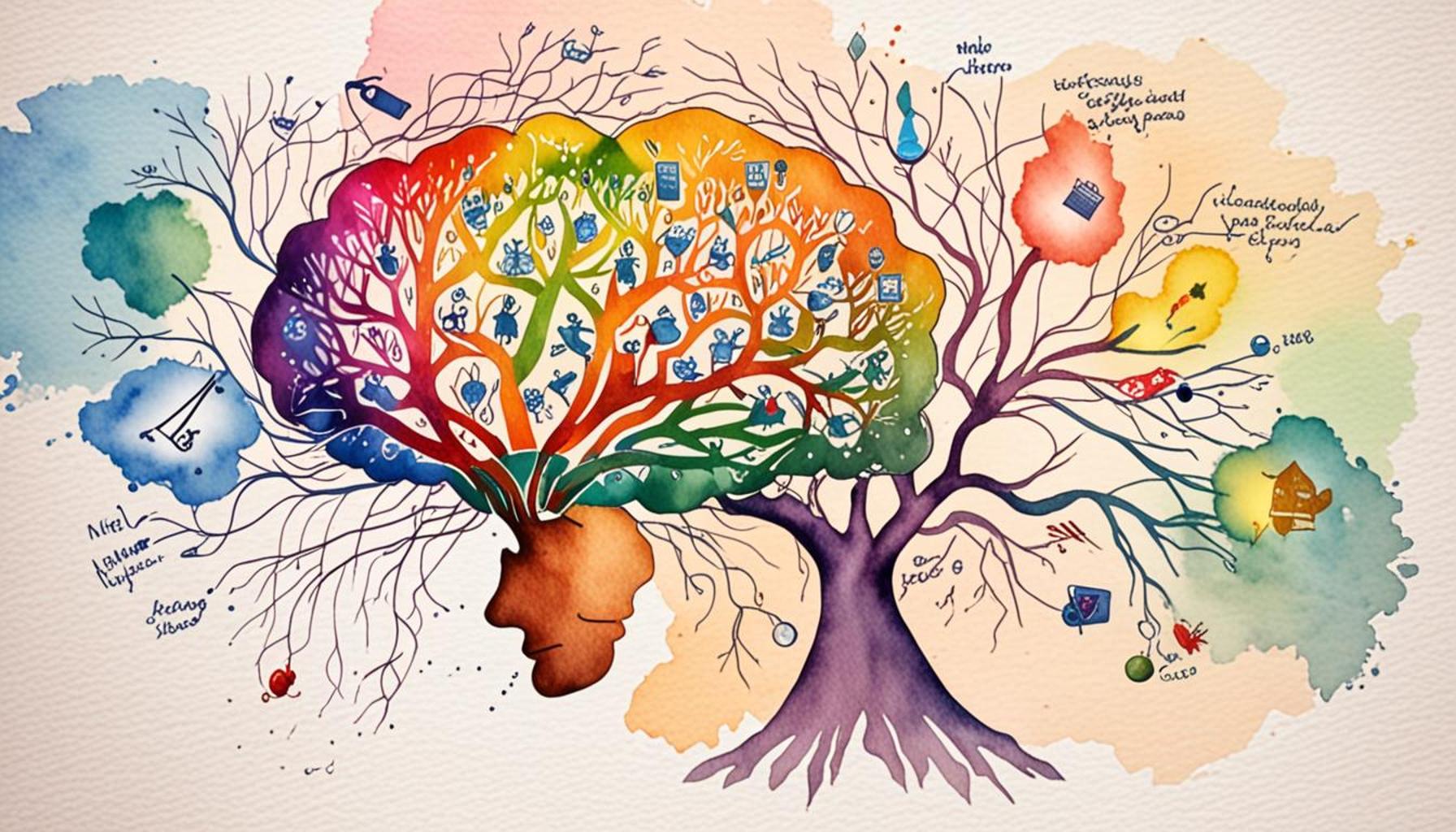
In an era inundated with an overwhelming amount of information, the ability to learn and assimilate new skills efficiently is paramount. A revolutionary technique that has gained popularity among learners of all ages is mind mapping. This approach involves visually structuring ideas and concepts, helping individuals not just to organize their thoughts, but also to enhance their learning experience significantly.
The Power of Visual Learning
One of the standout features of mind mapping is its ability to provide a visual representation of complex information. By breaking down intricate ideas into manageable chunks, learners can create a visual schema that resembles a spider web. For example, when studying for a history exam, students can create branches representing different eras, each filled with key events, notable figures, and dates. This method of visualization lays out information in an easily digestible format, making it considerably less daunting to memorize.
Boosting Retention Through Connectivity
Another significant advantage of mind mapping is its ability to enhance memory. The technique is rooted in associative thinking, whereby individuals connect related concepts and ideas. This interconnectedness allows for better retention; for instance, a student learning a new language can use mind maps to visualize vocabulary words and their meanings. By associating images or personal anecdotes with words, the learner creates mental hooks that aid recall when speaking or writing. Research suggests that using imagery, such as drawing a picture of a cat next to the word “gato”, leads to improved memory retention.
Fostering Engagement and Creativity
Mind mapping also plays a crucial role in increasing engagement among learners. The process is not just about learning facts; it invites creativity and stimulates interest. When curriculum subjects become visually appealing, as seen with mind maps filled with colors, symbols, and varied formats, learners find themselves more involved in the material. For instance, a design student might create a mind map of famous artists and their techniques, enriching their understanding and appreciation for the art world.
Practical Applications Across Learning Domains
Mind mapping can be adeptly applied across diverse skill development areas, showcasing its versatility:
- Language Learning: Organizing vocabulary and grammar rules, facilitating better alignment with real conversations.
- Technical Skills: Outlining processes for subjects like programming, ensuring clarity for intricate coding principles.
- Personal Development: Visualizing goals allows for actionable plans, such as creating a mind map for fitness goals that break down exercises, dietary changes, and progress tracking.
Employing the technique of mind mapping empowers learners to craft a personalized roadmap for their educational journeys. This not only consolidates existing knowledge but also sparks curiosity, pushing individuals to explore new avenues for discovery. As more people recognize the potential of mind mapping, it can serve as an invaluable tool in education and professional development. Delve into the world of mind mapping and unlock your potential for effective and enriched self-learning.
DISCOVER MORE: Click here to dive deeper
The Versatility of Mind Mapping
In navigating the complexities of skill development, mind mapping emerges not just as a learning aid, but as a structured approach that adapts seamlessly to various domains. Whether you are diving into a new subject or enhancing existing knowledge, the method fosters a holistic learning environment. By utilizing mind maps, learners can identify relationships between themes, facilitating a more comprehensive understanding of the material at hand.
Key Benefits of Mind Mapping for Skill Development
The effectiveness of mind mapping extends far beyond simple note-taking. Here are some key benefits that underscore its utility in skill development:
- Clarity in Organization: Mind maps help learners to invigorate their study habits by organizing knowledge logically. By categorizing various themes and ideas visually, learners can easily locate and reference information, enhancing both comprehension and retention.
- Enhanced Critical Thinking: As learners connect various ideas, they are prompted to think critically about the information presented. This iterative process of evaluation and synthesis encourages deeper insights and innovative thinking.
- Individual Learning Pathways: Mind maps are inherently customizable, allowing learners to create pathways tailored to their unique styles and needs. For instance, a business student may develop a mind map that highlights key concepts of management theories, supplementary case studies, and relevant business news, thereby creating a personalized learning experience.
Mind Mapping in Various Contexts
Mind mapping holds promise in a multitude of contexts, serving as a bridge between theoretical knowledge and practical application. To illustrate this versatility, consider the following scenarios:
- Academic Settings: Students can leverage mind mapping for subjects ranging from mathematics to literature. For instance, a literature student might map out character development and themes in a novel, unlocking layers of meaning that traditional linear notes might miss.
- Professional Development: In the workforce, professionals can use mind maps for project planning. By outlining among team members’ roles, timelines, and deliverables in a visual format, team members can easily establish a shared vision and understanding.
- Personal Projects: Whether setting up a new fitness regimen or planning a home renovation, mind mapping helps individuals visualize their goals and the steps required to achieve them. This aids in breaking tasks into actionable items, thereby reducing feelings of overwhelm.
As learners and professionals alike embrace this visual tool, they not only expand their capacity to absorb information but also cultivate the skills necessary for successful self-learning. The journey of developing new skills becomes not only attainable but also engaging and rewarding.
Exploring the Benefits of Mind Mapping for Skill Development
Mind mapping is a powerful tool that not only aids in organizing information but also empowers self-learners to visualize their thoughts and knowledge connections. With this innovative approach, learners can delve into subjects more deeply, fostering a better understanding and retention of information. As we discuss mind mapping for skill development, let’s highlight some core advantages that can significantly enhance self-learning.
| Category | Details |
|---|---|
| Enhanced Organization | Mind maps allow learners to visually structure information, easing the retrieval of concepts and relationships. |
| Improved Retention | The visual nature of mind maps reinforces memory retention, making it easier to remember complex topics. |
| Fostering Creativity | Mind mapping encourages creative thinking through its non-linear format, inspiring learners to explore various angles. |
| Facilitating Collaboration | These visual aids can be utilized in group settings, promoting teamwork and shared learning experiences. |
Incorporating mind mapping into your self-learning routine can create a more interactive and productive experience. The benefits range from enhanced organization of thoughts to fostering collaboration among peers, making it a crucial skill for personal development.
DISCOVER MORE: Click here to learn about the impact of environmental design on motivation
Implementation Strategies for Effective Mind Mapping
While the advantages of mind mapping are evident, how learners implement this technique can significantly affect their outcomes. Understanding the strategies to create effective mind maps is crucial for maximizing the benefits associated with this method. Here are several strategies that learners can employ:
1. Start with a Central Idea
When creating a mind map, begin with a central idea or topic in the middle of the page. This foundational step serves as the anchor point for the entire map, providing clarity and context. For example, if a learner is focusing on “Digital Marketing,” they can place this term at the center and branch out into subcategories such as SEO, Content Marketing, and Social Media Strategies. This framework cultivates a clear visual hierarchy, allowing learners to see how different concepts are interrelated.
2. Use Colors and Images
To significantly enhance engagement, incorporate colors and images. Utilizing different colors for various branches not only aids in distinguishing ideas but also boosts memory retention. According to research, visual stimuli stimulate different parts of the brain, making the information more memorable. Likewise, adding relevant images or icons can create mental associations that further assist learners in recalling information. For instance, using a magnifying glass icon for SEO-related topics might evoke thoughts about search queries and optimization techniques.
3. Maintain Flexibility and Adaptability
Mind maps should be dynamic rather than static entities. As learners explore their topics, they should feel free to restructure their maps. This flexibility allows for the inclusion of new insights or a reevaluation of existing concepts. For example, a software developer might find additional programming languages or frameworks to include as they learn, adapting their mind map to mirror their evolving knowledge base. This adaptability not only reinforces learning but also keeps the mapping process engaging and relevant.
4. Collaboration and Sharing
One lesser-known application of mind mapping is its potential for collaborative learning. When students or professionals work in groups, sharing and developing mind maps can yield diversified insights and foster deeper understanding. Collaboration can stimulate discussion, clarify concepts retained in individual maps, and create a richer, collective knowledge base. Platforms like MindMeister or Miro facilitate this collaborative aspect by enabling team members to brainstorm and contribute in real-time, regardless of their physical location.
5. Review and Iterate
Regularly reviewing and iterating on mind maps is essential for reinforcement. After completing a session of study, spending time to revisit and revise the mind map can help solidify knowledge. Revisiting the mind map also provides an opportunity to identify areas that require further exploration or revision. For example, a learner might realize that a particular topic within their art history mind map deserves more detailed notes as they delve deeper into specific art movements.
The ability to create impactful mind maps is a powerful tool in the realm of skill development. By integrating these strategies into their learning processes, individuals can significantly enhance their capacity for self-directed learning, making the journey not only efficient but also enjoyable. As mind mapping continues to gain traction, those who harness its full potential may find themselves ahead in their educational and professional pursuits.
DISCOVER MORE: Click here to learn how technology can boost your self-motivation
Conclusion
In the rapidly evolving landscape of education and professional development, mind mapping emerges as an invaluable tool for organizing knowledge and facilitating effective self-learning. By enabling learners to visualize relationships among concepts, mind maps not only enhance retention but also inspire creativity and deeper understanding. The strategies outlined, such as starting with a central idea, employing colors and visuals, and maintaining flexibility, empower individuals to create personalized learning experiences that resonate with their unique styles.
Furthermore, the collaborative potential of mind mapping opens doors for richer dialogues and shared insights, particularly in group settings—an aspect increasingly vital in today’s interconnected world. As practitioners of mind mapping continue to refine their techniques, they may uncover new dimensions to their learning paths that were previously inaccessible. Adapting this dynamic method requires ongoing evaluation and iteration, making it a living document of one’s growth and knowledge acquisition.
For those eager to advance their skills, embracing mind mapping can serve as a potent catalyst for self-directed learning. As you embark on this journey, consider leveraging technology with mind mapping software to add a new layer to your experience. With commitment and practice, the power of mind mapping will not only enhance your understanding of complex subjects but also position you for success in an ever-changing professional landscape. The future belongs to those who organize their thoughts effectively, and mind mapping is a crucial first step towards achieving that goal.