Natural Pet Food vs Commercial Feed Which is Best for Your Pet
Understanding Your Pet’s Nutrition Options
As pet owners, our ultimate goal is to provide the best care for our furry companions. One of the most crucial aspects of their well-being is their nutrition. With many options available, including natural foods and commercial pet feed, deciding what to feed your pet can be overwhelming.
Understanding the differences between these two categories is essential. Here are some key points to consider:
- Ingredients: Natural foods often contain whole ingredients, while commercial options may include fillers.
- Health Benefits: Each type may offer unique advantages for your pet’s health.
- Dietary Needs: Your pet’s specific needs can influence the best choice.
In this article, we will delve deeper into the debate of natural pet food versus commercial feed. To help you navigate this topic, we’ve compiled a ranking of the top 5 options in each category, ensuring you have valuable insights into what might be best for your beloved pet.
Top 5: Natural Foods vs. Commercial Pet Food – What’s Best for Your Pet?
As a pet owner, ensuring the well-being of your furry companion is a top priority, and it all begins with what goes into their bowl. Choosing the optimal diet for your pet can be a daunting task due to the multitude of options available in today’s market. Should you go for natural home-cooked meals or rely on commercial pet food? Both have their own benefits and drawbacks. This guide aims to explore these choices more deeply, ranking them from 5 to 1, to help you make an informed decision supported by concrete information and intriguing insights.
5. Nutritional Value
The foundation of any diet is its nutritional content, significantly impacting your pet’s health. Most commercial pet foods are crafted to provide a balanced diet, containing an optimal mix of proteins, vitamins, minerals, and carbohydrates. These are carefully calculated to meet the dietary standards set by bodies like the Association of American Feed Control Officials (AAFCO). These commercial options are convenient because they aim to ensure your pet receives all the necessary nutrients in each bowl without extra effort from you.
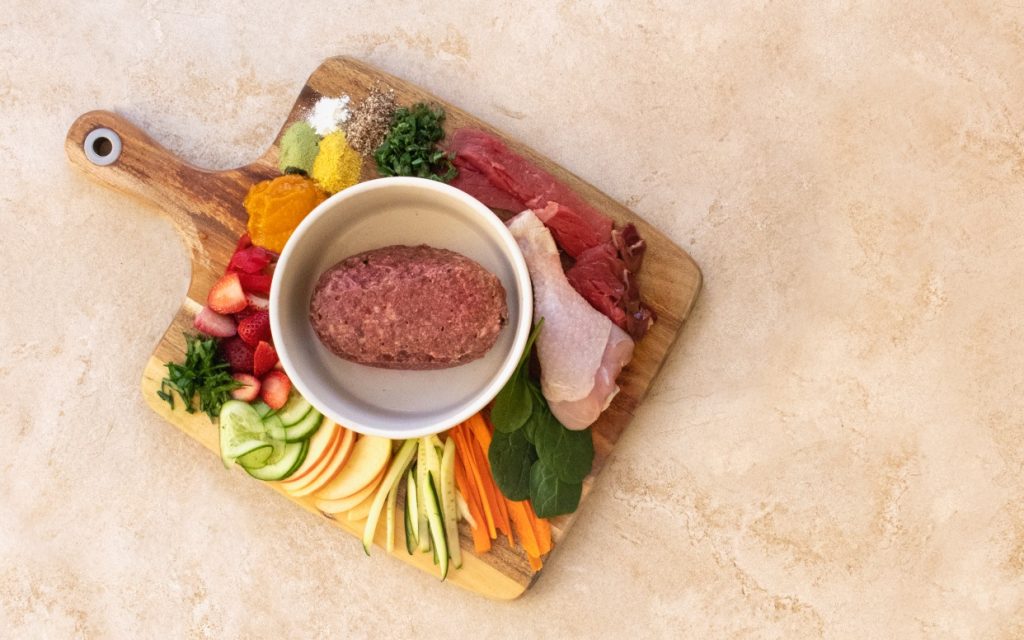
However, natural foods might lack some key nutrients if not appropriately balanced. Crafting a home-cooked diet for your pet requires a deep understanding of their nutritional needs, which can vary significantly across different breeds, ages, and lifestyles. Supplements might be needed to ensure nutritional completeness, but this can complicate meal prep and increase costs. Yet, if done correctly, home-cooked meals can provide fresh and wholesome nutrition tailored specifically to your pet.
4. Quality Control
Quality control in commercial pet food is stringent, with products subject to numerous regulations to ensure safety and nutritional adequacy. The Food and Drug Administration (FDA) and other bodies routinely analyze these products to verify the integrity of their contents. Nevertheless, some commercial brands may prioritize cost over quality and incorporate fillers, artificial preservatives, or additives to enhance shelf life or palatability, potentially compromising health.
With a natural diet, you have unmatched control over the ingredients you use. Selecting fresh, high-quality components allows you to avoid undesirable additives. Nevertheless, this mandates an informed approach to dietary planning, as poor ingredient choices or preparation methods could lead to deficiencies or health issues. Engaging with a veterinary nutritionist can offer guidance in curating a diet that’s perfectly suited to your pet’s needs.
3. Cost Effectiveness
The financial aspect cannot be overlooked. On a per-meal basis, commercial pet food often proves to be more budget-friendly. Bulk purchasing from reputable suppliers generally reduces the costs dramatically and ensures you always have a ready supply. Pricing remains consistent, thus simplifying monthly budgeting.
Conversely, crafting a natural diet can become significantly more expensive, especially if you choose to use organic produce or tailor meals to specific dietary requirements. Beyond ingredient costs, the time and effort needed for meal preparation must also be considered. Still, investing in your pet’s nutrition can result in long-term health benefits and potentially reduced veterinary bills, making the initial higher costs worthwhile.
2. Digestibility and Allergens
Digestibility is crucial in assessing how your pet’s body utilizes food to derive nutrients, impacting their overall health. Commercial pet foods can sometimes include multiple ingredient types, which may trigger allergies or intolerances in sensitive pets. Not all commercial solutions address these issues effectively, leading to digestive disturbances or allergic reactions.
Natural diets offer the flexibility to customize food according to your pet’s specific needs. This personalization allows for the elimination of known allergens, closely monitored reaction to foods, and adjustment of ingredients to optimize digestion and nutrient absorption. This approach requires ongoing observation and an understanding of pet nutrition, making it a more hands-on dedication to helping your pet thrive.
1. Overall Health and Longevity
The ultimate goal of any pet diet is to promote health and extend the quality of life, given today’s enriched opportunities for enhanced companion care. Pets on a well-balanced natural diet often show signs of improved vitality, such as a shinier coat, more energy, and fewer visits to the vet. Their diet’s fresh and wholesome components foster these enhanced quality-of-life markers.
Meanwhile, the ease and practicality offered by high-grade commercial pet food shouldn’t be underestimated. When you opt for premium brands, they are formulated to support peak pet health meticulously. Research showcases how pets on quality commercial diets often experience robust health and exhibit longevity, underscoring the idea that commercial diets can be just as effective as natural ones when formulated correctly.
Ultimately, the debate between natural foods and commercial pet food will likely continue as preferences evolve and new research emerges. However, understanding the intricacies of each choice can empower pet owners to tailor their pet’s nutritional plan effectively. Consulting with veterinary professionals ensures that your decision aligns with your pet’s unique health requirements, contributing to a healthy, joyful, and extended life together.
| Category | Advantages |
|---|---|
| Nutritional Value | Alimentos naturais are often rich in essential vitamins and minerals that commercial rations may lack due to processing methods. |
| Digestibility | Pets tend to have a better digestive response to whole foods, leading to improved absorption of nutrients compared to highly processed rations. |
| Control over Ingredients | With alimentos naturais, you can ensure the quality and source of each ingredient, providing your pet with optimal nutrition tailored to their needs. |
| Allergies and Sensitivities | Feeding your pet natural foods allows you to identify and eliminate allergens more easily compared to pre-packaged commercial rations that contain numerous fillers and additives. |
Exploring the advantages of both foods reveals intriguing insights into pet nutrition. Alimentos naturais, or natural foods, often shine when it comes to nutritional value. They typically offer a better balance of vitamins and minerals compared to commercial rations, which may undergo extensive processing, leading to nutrient loss. It is essential to recognize that the ingredients in these natural foods can directly influence your pet’s health.Another critical factor is digestibility. Many pet owners have observed a marked improvement in their pets’ digestion when transitioning from commercial rations to whole foods. Whole ingredients are often easier for pets to digest, which allows for better nutrient absorption, leading to overall better health and vitality.A significant advantage of choosing alimentos naturais is the control over ingredients. This allows pet owners to personally select high-quality, organic ingredients that meet their pets’ unique dietary requirements. Many commercial rations include low-quality ingredients and fillers that can detract from the overall nutritional profile. Finally, addressing allergies and sensitivities is simpler with natural foods. By introducing individual ingredients one at a time, pet owners can pinpoint potential allergens and avoid adverse reactions in their pets. In contrast, commercial foods, often packed with various additives, can make it difficult to determine what is causing allergies or digestive issues.This direct comparison not only highlights the potential benefits of alimentos naturais over commercial rations but also invites pet owners to engage further in conversations about pet nutrition, underscoring the importance of informed choices for their beloved companions.
Frequently Asked Questions: Choosing the Best Diet for Your Pet
What are the main differences between natural foods and commercial pet food?
The differences between natural foods and commercial pet food lie primarily in ingredient content, processing, and nutritional balance. Natural foods are typically less processed, containing fewer preservatives and additives, whilst commercial pet food is formulated to provide a balanced diet with essential nutrients. It’s important to note that while natural foods can offer fresh, wholesome ingredients, commercial foods are designed to be convenient and shelf-stable.
Is it true that raw food diets are healthier for pets?
While raw food diets can offer benefits such as a shiny coat and increased energy, they also come with risks that should not be underestimated. These diets may expose pets to bacterial contamination and nutrient imbalances. It is crucial to consult with a veterinarian before switching your pet to a raw food diet to ensure safety and proper nutrition.
Can mixing natural foods with commercial pet food improve my pet’s diet?
Mixing natural foods with commercial diets can provide variety and additional nutrients but requires careful balance to avoid overnutrition or undernutrition. Consulting a veterinary nutritionist is recommended to maintain a diet that meets all of your pet’s nutritional needs without conflicting with the balanced nature of commercial foods.
Are there specific signs that indicate my pet might need a dietary change?
Common signs that could suggest a dietary reassessment include changes in weight, coat condition, digestive issues, and energy levels. If you observe any of these symptoms, it’s essential to consult your veterinarian to determine if a change in diet could help address the issues.
How can I ensure my pet receives a balanced diet with natural foods?
To provide a balanced diet using natural foods, ensure that you include a variety of proteins, carbohydrates, and fats, along with essential vitamins and minerals. Seeking guidance from a veterinary nutritionist can help in creating a meal plan tailored to your pet’s specific needs, taking into account any health conditions or dietary restrictions.
Conclusion: Finding the Balance for Your Pet’s Diet
In the ongoing debate between natural foods and commercial pet foods, it is essential to take a holistic approach that considers the unique needs of your pet. Throughout the article, we have explored the benefits and drawbacks of both options.
Natural foods offer the advantage of freshness and minimally processed ingredients, which can be very appealing. They often allow for a diet tailored to specific preferences and dietary needs. However, they require a deep understanding of pet nutrition and careful preparation to ensure a balanced diet that meets all nutritional requirements.
On the other hand, commercial pet foods provide the convenience of a ready-made meal, often formulated to support various life stages and health conditions. Scientific advancements have made these products nutritionally comprehensive, but pet owners should remain vigilant about ingredient quality and potential additives.
Key Considerations
- Quality over Quantity: Regardless of your choice, prioritizing high-quality ingredients is crucial for your pet’s health.
- Consultation with Veterinarians: Professional advice is invaluable when deciding on a diet plan, ensuring it aligns with your pet’s specific requirements.
- Monitor Health and Well-being: Regular check-ups and observations will help gauge the effectiveness of the chosen diet.
Ultimately, the decision between natural foods and commercial options should be made with careful consideration of your pet’s health, lifestyle, and personal circumstances. This debate opens up significant opportunities for pet owners to engage with the vibrant field of pet nutrition, fostering a deeper understanding of what comprises a healthy diet for our furry companions. Continuous research and dialogue will help ensure that your pet not only thrives but enjoys a long, fulfilling life. As pet owners, it is our responsibility to stay informed and adapt to new insights in pet nutrition as they emerge. The quest for the ideal diet may not have a one-size-fits-all answer, but it remains a rewarding journey of discovery and care.