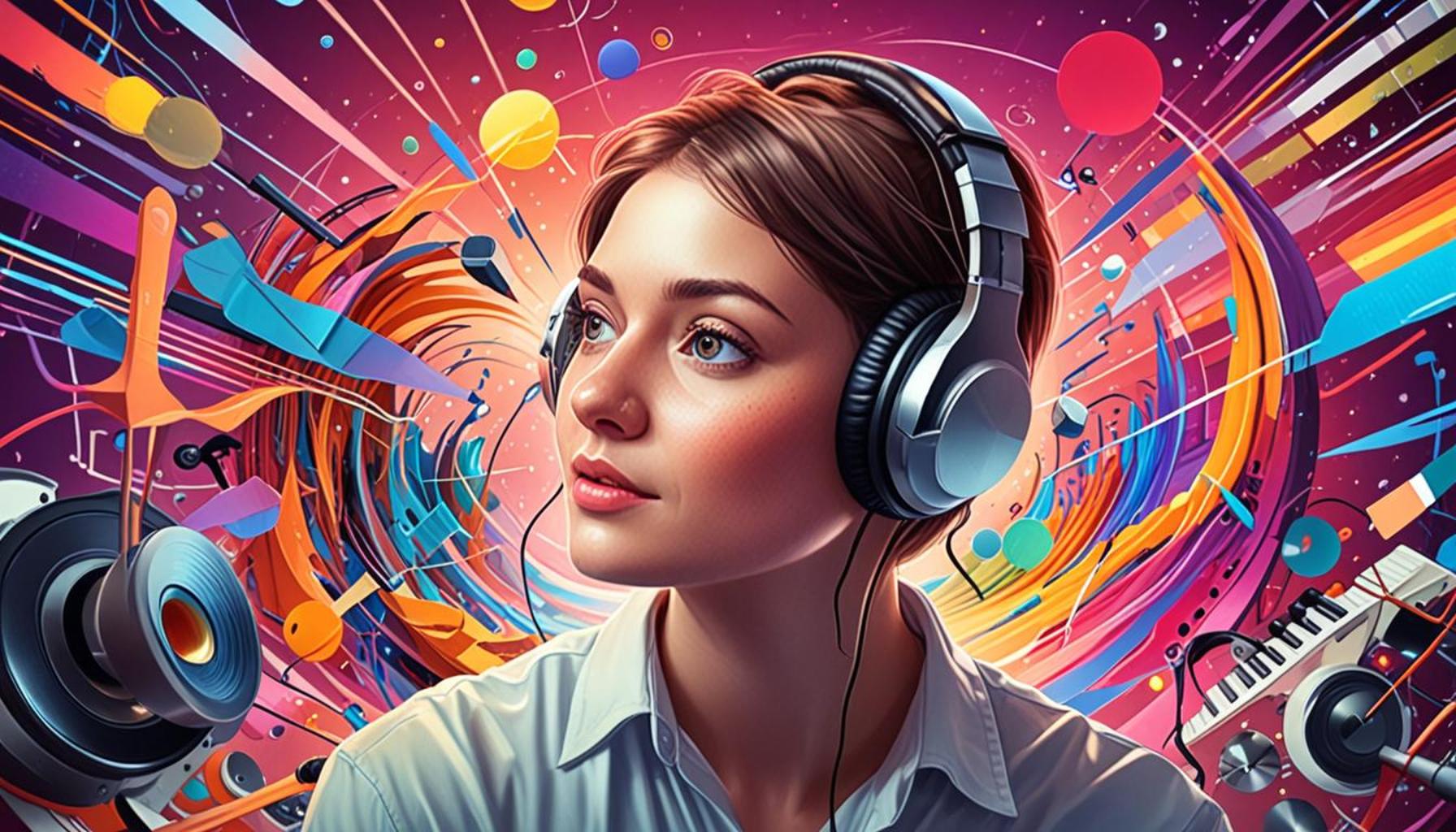
The Role of Visualization in Skill Mastery: Techniques for Mental Rehearsal and Practice

The Power of Visualization in Skill Mastery
Visualization is more than just a mental exercise; it is a transformative tool that can significantly impact performance across diverse domains such as athletics, music, education, and business. This mental rehearsal technique allows individuals to simulate experiences in their minds, effectively preparing them for actual performance. Through visualization, one can foster not only skill mastery but also an increase in confidence and efficiency.
Take education, for example. Students who visualize themselves entering an exam room with a clear mind often perform better. This technique involves picturing the exam scenario, recalling study material, and envisioning success in answering questions. Studies show that such mental rehearsal can lead to improved retention and recall during examinations.
In the realm of sports, elite athletes such as Michael Phelps and Serena Williams are known for their comprehensive use of visualization. They mentally rehearse their routines and visualize each movement before a competition. This practice enhances focus and concentration, allowing them to anticipate challenges and visualize overcoming them. Research indicates that mental imagery can activate the same neural pathways as physical practice, reinforcing skills and enhancing performance during actual events.
Public speaking is another area where visualization plays a crucial role. Many successful speakers, including renowned figures like Barack Obama and Brené Brown, use this technique to reduce anxiety and improve their delivery. By visualizing the audience’s positive reactions and practicing their speech in their minds, speakers can overcome nervousness and project confidence on stage.
Exploring the science and techniques behind visualization reveals fascinating insights. Effective mental rehearsal techniques include:

- Guided imagery: This involves following a script that leads individuals through a specific scenario, helping them create vivid mental pictures and emotional responses.
- Detailed visualization practices: Participants focus on specific details, such as the sounds, smells, and feelings associated with their goal, enhancing the immersive experience of mental practice.
- Integration of sensory experiences: By engaging multiple senses, individuals create a richer and more persuasive mental representation of their desired outcomes, making the experience more realistic and effective.
Each of these techniques opens new possibilities for enhancing practice and performance. By grasping the mechanics of visualization, individuals can unlock their potential, take their skills to new heights, and approach challenges with unwavering confidence. Whether you are an aspiring athlete, a budding musician, or someone looking to excel in their career, integrating visualization into your routine may just be the key to realizing your goals.
DIVE DEEPER: Click here to uncover the benefits of mindfulness
Unlocking Potential Through Mental Rehearsal
As we dive deeper into the fascinating world of visualization techniques, it becomes crucial to understand how these practices foster skill mastery and enhance performance. Visualization, or mental rehearsal, is not merely a vision of success; it’s a rigorous cognitive technique that sequentially prepares one’s mind and body for a specific task or challenge. By picturing themselves succeeding in their sports, presentations, or even exams, individuals activate their subconscious, which plays a pivotal role in actualizing outcomes.
When we engage in mental rehearsal, our brains do not differentiate significantly between real and imagined experiences. Neuroscientific research has shown that mental imagery stimulates the same areas of the brain used in physical practice, setting a foundation for the skills to be executed in real life. This phenomenon is particularly noticeable in sports psychology, where athletes harness the power of visualization to enhance their training sessions and competitions.
Consider the application of visualization techniques in enhancing athletic performance. Athletes are trained to visualize every aspect of their performance, from the initial adrenaline rush before a race to the exhilaration of crossing the finish line. Specific techniques that athletes often reintegrate into their routines include:
- Specific Scenario Visualization: Athletes may mentally replay their entire performance—from launching off the starting blocks in a sprint to executing a flawless routine in gymnastics—enabling them to prepare for the specifics of their sport.
- Positive Affirmation Visualization: Incorporating positive self-talk during visualization helps athletes build confidence. By repeating empowering phrases during mental rehearsal, they cultivate a resilient mindset that empowers them to face real-time challenges.
- Goal Visualization: By imagining not just the steps, but also the end result, individuals solidify their goals, creating a compelling mental image that motivates and drives them toward success.
Beyond sports, the application of visualization extends into other fields such as music and public speaking. Musicians often visualize themselves performing before an audience, not only focusing on the notes they play but also incorporating the emotional energy of a live performance. This approach primes their minds to cope with the demands of a real-world stage, leading to reduced anxiety and enhanced musicality. Similarly, public speakers visualize their speeches, preparing their performance and refining their presence while projecting a confident demeanor.
Understanding and mastering these visualization techniques may be the defining factor between success and mediocrity. As individuals begin to integrate visualization into their daily practices, they may find not only gradual improvements in their skill acquisition but also an amplified sense of fulfillment and accomplishment in their endeavors. Whether on the field, stage, or classroom, the journey to excellence through visualization is paved with endless possibilities.
| Visualization Techniques | Impact on Skill Mastery |
|---|---|
| Guided Imagery | Enhances focus and clarity for achieving performance goals. |
| Mental Rehearsal | Increases muscle memory and aids in automatic responses. |
| Visualization Scripts | Helps in creating a structured approach to practice and performance. |
| Creative Visualization | Stimulates motivation by presenting inspiring scenarios. |
The role of visualization in skill mastery is multifaceted and crucial, especially when combined with mental rehearsal techniques. Visualization techniques such as guided imagery allow individuals to immerse themselves in a mental simulation of their performance. This enhances not just focus but also clarity in execution, facilitating a deep understanding of the task at hand. Moreover, mental rehearsal goes a step further by enabling practitioners to physically feel their movements and actions in a controlled mental environment. This technique significantly boosts muscle memory, leading to better performance outcomes characterized by quicker and more automatic responses during actual practice and competition.Additionally, utilizing visualization scripts provides a structured framework, essential for mastering complex skills. By outlining specific scenarios, these scripts assist in maintaining motivation and staying organized, ultimately enhancing the effectiveness of practice sessions. Lastly, creative visualization can catalyze a surge of motivation, inspiring individuals to envision their success in highly imaginative and positive outcomes. This psychological reinforcement is invaluable in skill development, pushing boundaries far beyond traditional methods. Thus, embracing visualization not only complements physical training but transforms it into a holistic approach to mastery.
DIVE DEEPER: Click here to uncover more insights
Expanding the Scope of Visualization Techniques
The influence of visualization extends well beyond physical performance into various aspects of our personal and professional lives. In the realm of education, students can significantly benefit from integrating mental rehearsal into their study routines. By visualizing themselves successfully navigating exams or presentations, learners cultivate a clearer understanding of their subject matter. This method not only stimulates memory retrieval but also paves the way for enhanced focus during actual test-taking scenarios. Educational environments are beginning to embrace these visualization techniques, recognizing their potential to reduce anxiety and improve overall academic performance.
In corporate settings, visualization can serve as a powerful tool for enhancing leadership skills and team collaboration. Executives have started to implement mental rehearsal practices to prepare for high-stakes meetings, presentations, or negotiations. A leader might visualize the flow of a critical discussion, considering potential objections and strategically determining responses ahead of time. This preparatory phase can significantly improve clarity, allowing professionals to present their ideas with confidence and agility.
Additionally, visualization can be particularly effective in managing stress and improving mental well-being. Consider the method of guided imagery, where individuals mentally position themselves in calming and serene environments—a tranquil beach or peaceful forest. Research has shown that such techniques can reduce stress hormones, ultimately fostering a sense of calm and improving overall emotional health. By regularly engaging in these practices, individuals not only stimulate creativity and productivity but also cultivate a proactive approach to handling stressors in their daily lives.
Visualization Techniques in Therapy
Among mental health professionals, visualization techniques are becoming an invaluable part of therapeutic practices. Mental rehearsal can play a key role in cognitive behavioral therapy (CBT), where clients visualize successful behavioral changes to reinforce positive thought patterns. By mentally rehearsing reactions to anxiety-inducing stimuli, individuals can shift their approach away from fear and toward empowerment. Such practices can be pivotal in treating a variety of psychological conditions, from anxiety and depression to phobias and PTSD.
Furthermore, visualization is a component of mindfulness practices, where individuals are encouraged to visualize themselves as present, grounded, and aware of their surroundings. This connection not only aids in reducing racing thoughts but also facilitates a deeper connection to one’s emotions and state of being. These principles converge in techniques such as mindful meditation, where practitioners are guided through vivid imagery to build a stronger awareness of their thoughts, emotions, and physical sensations.
The Neuroscience Behind Visualization
Delving into the neuroscience, studies reveal that the brain’s neural pathways can be altered through consistent visualization practices. Engaging in mental rehearsals can result in physical changes within the brain itself, fostering the development of myelin—a fatty substance that enhances communication between neurons. This process can help create new pathways and strengthen existing ones, thus enhancing performance in the targeted skill set. Understanding these neural mechanisms underlying visualization encourages practitioners and learners alike to engage actively in their mental imagery exercises, showcasing the tangible impact of the mind on physical ability.
As we explore the range of applications for visualization in different domains, it becomes evident that the role of mental rehearsal is not restricted to the world of athletes alone. Instead, it emerges as a universally applicable technique that holds potential for individuals striving for excellence in diverse pursuits. By recognizing the significance of visualization, we empower ourselves to tap into an ability that transcends mere imagination—transforming aspirations into tangible achievements.
DISCOVER MORE: Click here to learn how reflection can boost your motivation
Conclusion: Unlocking Potential Through Visualization
In summary, the power of visualization emerges as a transformational tool that transcends traditional boundaries of skill mastery. As we have explored throughout this article, mental rehearsal can significantly enhance performance not only in sports but across various fields, including education, corporate settings, and mental health. By adopting visualization techniques such as guided imagery and mindfulness practices, individuals can cultivate a heightened sense of awareness while reducing anxiety and fostering resilience.
The neuroscience behind these practices reinforces the idea that visualization is not merely an act of imagination, but a potent cognitive skill capable of creating real and lasting changes in the brain’s structure. As neural pathways strengthen through consistent practice, individuals find themselves better equipped to tackle challenges, be they academic, professional, or personal.
Moreover, embracing visualization as a daily practice can inspire creativity, improve focus, and foster a proactive approach to overcoming obstacles. Whether you’re a student preparing for exams, a corporate leader navigating critical negotiations, or an individual seeking improved well-being, integrating mental rehearsal into your routine can yield profound benefits.
As we stand at the intersection of mental capacity and physical ability, it is crucial to recognize the profound implications of visualization not just as a skill-enhancing tool, but as a gateway to achieving our fullest potential. By harnessing the art of mental imagery, we can turn aspirations into reality and unlock pathways to success.