
The use of wearable technology to monitor progress in self-taught skills
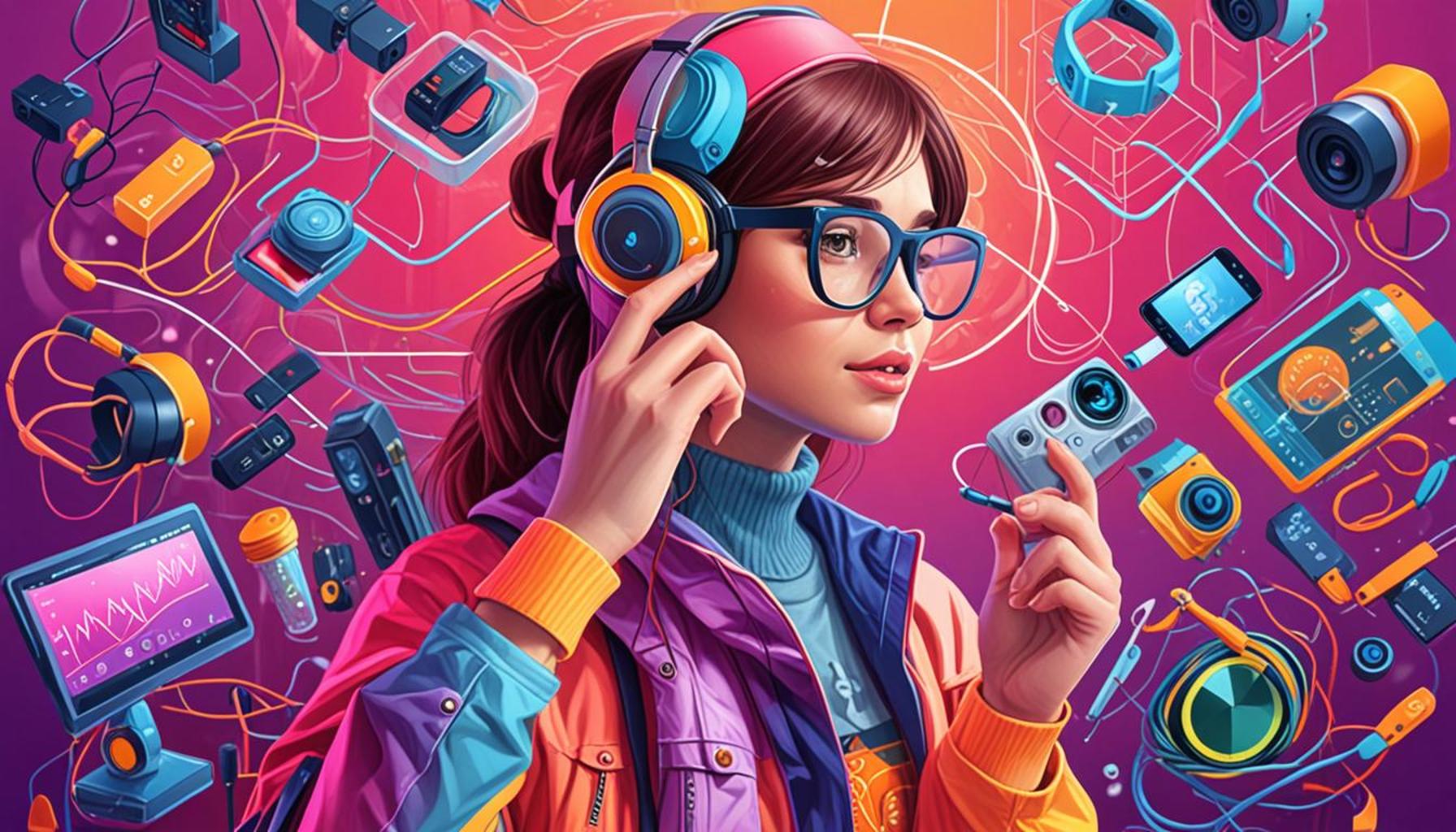
The Transformative Role of Wearable Technology in Personal Development
As technology continues to permeate every aspect of our lives, the rise of wearable technology stands out as a game-changer in personal development and self-directed learning. Devices such as smartwatches, fitness trackers, and even advanced health monitors are not just gadgets; they have evolved into comprehensive tools that empower individuals to take charge of their learning journeys. With their ability to collect and analyze data, wearables support users in a myriad of self-study initiatives.
Tracking and Enhancing Physical Skills
When it comes to enhancing physical skills, wearable technology shines brightly. For instance, athletes can utilize fitness trackers to measure their daily steps, calories burned, and heart rate, providing immediate feedback during sports or fitness training. Products like the Fitbit Charge or the Apple Watch have built-in functions that encourage users to surpass their fitness goals. Users can set personal objectives, such as running a certain distance in a month or completing a specific number of workouts per week, and the devices will track progress over time. This data not only boosts motivation but also helps in understanding what strategies work best for reaching personal fitness milestones.
Empowering Cognitive Skills
Wearable technology is also making waves in the realm of cognitive skills. For example, devices like the Muse headband provide real-time feedback on users’ concentration levels by analyzing brainwaves during meditation or focused work sessions. These insights allow learners to identify distractions and develop techniques to improve their focus and productivity. Users can take part in guided sessions that adjust to their individual needs, thus customizing their approach to cognitive training effectively.
Fostering Creative Skills
In addition to physical and cognitive development, wearables play a pivotal role in nurturing creative skills. Musicians and artists can find inspiration through various apps available on smartwatches that guide them in composing music or developing art projects. For example, apps like GarageBand allow users to create music right from their wrists, helping musicians capture spontaneous ideas on the go. Similarly, artists using tools like Wacom Bamboo can sketch and refine designs through intuitive mobile features. These options not only track progress through metrics but also foster an environment of experimentation and growth.
A Comprehensive Ecosystem
The integration of wearable devices with smartphone applications creates a rich ecosystem for users, allowing for a seamless experience of tracking achievements and setting realistic goals. Users can develop a holistic view of their learning journeys, as wearables can connect with health platforms to monitor physical, cognitive, and creative endeavors simultaneously. By recording metrics over time, individuals can reassess their strategies, pinpoint what works, and adjust accordingly to make their learning experiences more efficient and personalized.
As we navigate this ongoing digital transformation, the importance of understanding how wearable technology impacts personal growth cannot be overlooked. These devices not only enhance the learning experience but also challenge traditional notions of what it means to be a self-taught individual in the fast-paced landscape of today. With the right tools at their fingertips, learners can take their development into their own hands, cultivating a future defined by empowerment and lifelong learning.
DISCOVER MORE: Click here to learn about the benefits of accountability partners
Revolutionizing Skill Development Through Wearables
The emergence of wearable technology has significantly reshaped the landscape of self-taught skills, allowing learners to monitor their progress with a previously unfathomable level of detail and precision. These portable devices not only track performance metrics but also provide users with actionable insights that can enhance their learning experiences. As the self-directed learning movement gains momentum, the functionality of wearables proves to be instrumental in how individuals approach acquiring new abilities, whether physical, cognitive, or creative.
The Digital Coach: Wearables in Skill Acquisition
Imagine having a personal coach available at a moment’s notice. Wearable technology serves as that virtual mentor, constantly collecting data that informs users about their progress. This feature enables individuals to assess their capabilities in real time, transforming feedback into a valuable resource for skill improvement. Consider the following ways wearables assist in self-taught skill acquisition:
- Data Visualization: Wearables can generate intuitive charts and graphs that illustrate progress over time. For instance, if someone is learning to play an instrument, data about practice duration and success rates on specific pieces can be visualized to help identify strengths and areas needing more focus.
- Goal Setting: The ability to set, track, and adjust personalized goals is another powerful tool that wearables provide. Users can establish achievable benchmarks, whether it’s running a 10K or mastering a new software program, with notifications prompting them to stay on track.
- Peer Comparison: Many wearable apps include community features that allow users to share their progress with others, fostering collaborative learning. This social aspect can be particularly motivating, as users engage with peers who are pursuing related self-taught skills.
- Feedback Loop: Continuous monitoring creates a feedback loop essential for learning. By receiving regular updates on their progress, individuals can quickly pivot their strategies if they’re not meeting their goals.
Such features have made wearable devices an essential part of the modern learner’s toolkit. With options ranging from smartwatches embedded with advanced monitoring systems to fitness bands designed for athlete training, the variety available allows users to choose devices that best suit their specific learning objectives.
The Power of Integration
Complementing the myriad features of wearable devices, integration with mobile applications boosts their effectiveness. By linking wearables with dedicated educational apps, individuals can create a streamlined approach to self-learning. For example, a user studying languages might connect their smartwatch with a language-learning program, receiving real-time pronunciation feedback during speaking practice sessions. This integration allows for a more comprehensive understanding of progress, as learners analyze both physical performance and cognitive acquisition concurrently.
As we explore the potential of wearable technology in self-directed learning, it’s clear that these devices are not merely accessories; they represent a new era in skill acquisition. By empowering learners with personalized data and insights, wearables foster an environment where self-improvement is not only encouraged but easily attainable. In this digital age, it’s crucial to leverage these innovations to learn and grow beyond traditional boundaries.
The Use of Wearable Technology to Monitor Progress in Self-Taught Skills
Wearable technology is revolutionizing the way individuals approach self-directed learning. From fitness trackers that monitor physical activity to smartwatches that provide notifications and reminders, these devices offer an unprecedented opportunity to gather data on personal development. By utilizing wearables, self-taught learners can gain valuable insights into their progress, enhance their motivation, and tailor their learning experiences according to real-time feedback. Here, we explore the key advantages of integrating wearable tech into self-education.
| Advantage | Impact |
|---|---|
| Real-time Tracking | Enables learners to monitor progress continuously and adjust strategies as needed. |
| Enhanced Motivation | Data-driven insights encourage persistence through visible achievement tracking. |
By leveraging these features, users can create personalized learning experiences that align with their individual goals. Whether it’s refining a musical skill or enhancing coding abilities, wearable technology transforms self-taught endeavors into structured pathways of success. Additionally, community sharing from wearables can foster a sense of accountability among peers, encouraging collaboration and knowledge exchange. This integration of technology not only supports effective skill acquisition but also creates a thriving environment for lifelong learning.
DIVE DEEPER: Click here to discover more
Fostering Accountability and Engagement Through Wearable Tech
Wearable technology is more than just a data-gathering tool; it plays a pivotal role in fostering accountability and sustaining engagement in self-taught skills. In a world where distractions are abundant, having a device that nudges learners along their journey can mean the difference between progress and stagnation. The ability to hold oneself accountable is critical in self-directed learning, and wearables come equipped with features specifically designed for this purpose.
Creating Commitment with Reminders
Accountability in learning often hinges on self-discipline, a challenge for many individuals. Wearable devices are equipped with reminder functions that can help users stick to their goals. For example, a user learning to code might receive hourly notifications to return to their practice, while a budding chef can be reminded when it’s time to log cooking sessions or try a new recipe. These gentle nudges prevent forgetfulness and enhance adherence to personal learning schedules, promoting consistent practice — a vital element for mastering any skill.
Gamification and Motivation
Incorporating gamification elements into learning can significantly enhance motivation, and wearables are at the forefront of this revolution. Many applications that sync with wearable technology utilize game-like features where users can earn points, badges, or rewards for completing tasks or reaching milestones. This playful approach to learning can transform mundane practice sessions into exciting challenges, ensuring that the learner remains engaged.
- Progress Tracking: Most wearables offer built-in progress tracking metrics that allow users to celebrate small victories along the way. Users engaged in fitness training can track their speeds, distances, and calories burned, while musicians can log their rehearsal hours and mastery of specific techniques.
- Challenges and Competitions: Some apps linked to wearables set up challenges that pit users against friends or the wider community. Such friendly competition is not only a motivational booster, but it also encourages a sense of camaraderie that can be instrumental in sustained learning.
- Rewards and Recognition: Earning rewards based on achievements enhances the sense of accomplishment. Whether it’s a trophy for completing a specific workout or earning recognition for mastering a programming language, such rewards reinforce the learning journey.
Health and Well-Being as a Catalyst for Learning
Interestingly, the relationship between physical health and cognitive performance is increasingly being recognized. Wearables that monitor physical activity, sleep quality, and stress levels can provide insight into how overall well-being impacts self-directed learning efforts. For instance, apps that integrate with smartwatches can analyze sleep patterns and recommend improvements. Quality sleep has been shown to enhance memory retention, proving crucial for individuals tackling new skills.
Moreover, wearables that integrate mindfulness techniques, such as breathing exercises and guided meditations, can help users maintain their focus and reduce anxiety during learning sessions. By improving mental health through physical wellness, learners create a more conducive environment for acquiring new skills.
As learners embrace the dual functionalities of wearables — as a monitoring device and a catalyst for motivation — the barriers to progressing in self-taught endeavors continuously diminish. The landscape of learning is evolving into a highly personalized journey, with wearables paving the way for new possibilities in self-directed skill acquisition.
LEARN MORE: Click here to unlock new skills
Conclusion: The Future of Self-Directed Learning with Wearable Technology
As we venture deeper into the age of digital learning, the role of wearable technology in monitoring progress in self-taught skills becomes increasingly significant. With their ability to provide real-time feedback, monitor performance metrics, and offer personalized reminders, wearables empower individuals to take charge of their learning journeys. This trend is reshaping the landscape of self-directed education, creating an enriched experience that is both data-driven and highly engaging.
The advent of gamification through these devices adds an exciting layer, transforming the learning process into a more dynamic and enjoyable endeavor. By incorporating elements of competition, rewards, and social interaction, wearables foster a vibrant learning community that encourages learners to push their boundaries. Furthermore, the ability to track health and well-being through wearables has profound implications, as it highlights the interconnectedness of physical and cognitive performance in the learning process.
In conclusion, leveraging wearable technology not only enhances accountability but also nurtures motivation, making the self-taught skill acquisition more attainable and enjoyable. As the technology continues to evolve, it will likely unlock further opportunities for personalized learning experiences. For those eager to embark on their self-taught journeys, embracing these wearables could very well be the key to turning aspirations into achievements. Explore the various options available and discover how integration with this technology can help you achieve mastery in your desired skills.