Utilizing Virtual Reality for Immersive Learning Experiences: Transforming Self-Directed Skill Acquisition
The Transformative Power of Virtual Reality in Education
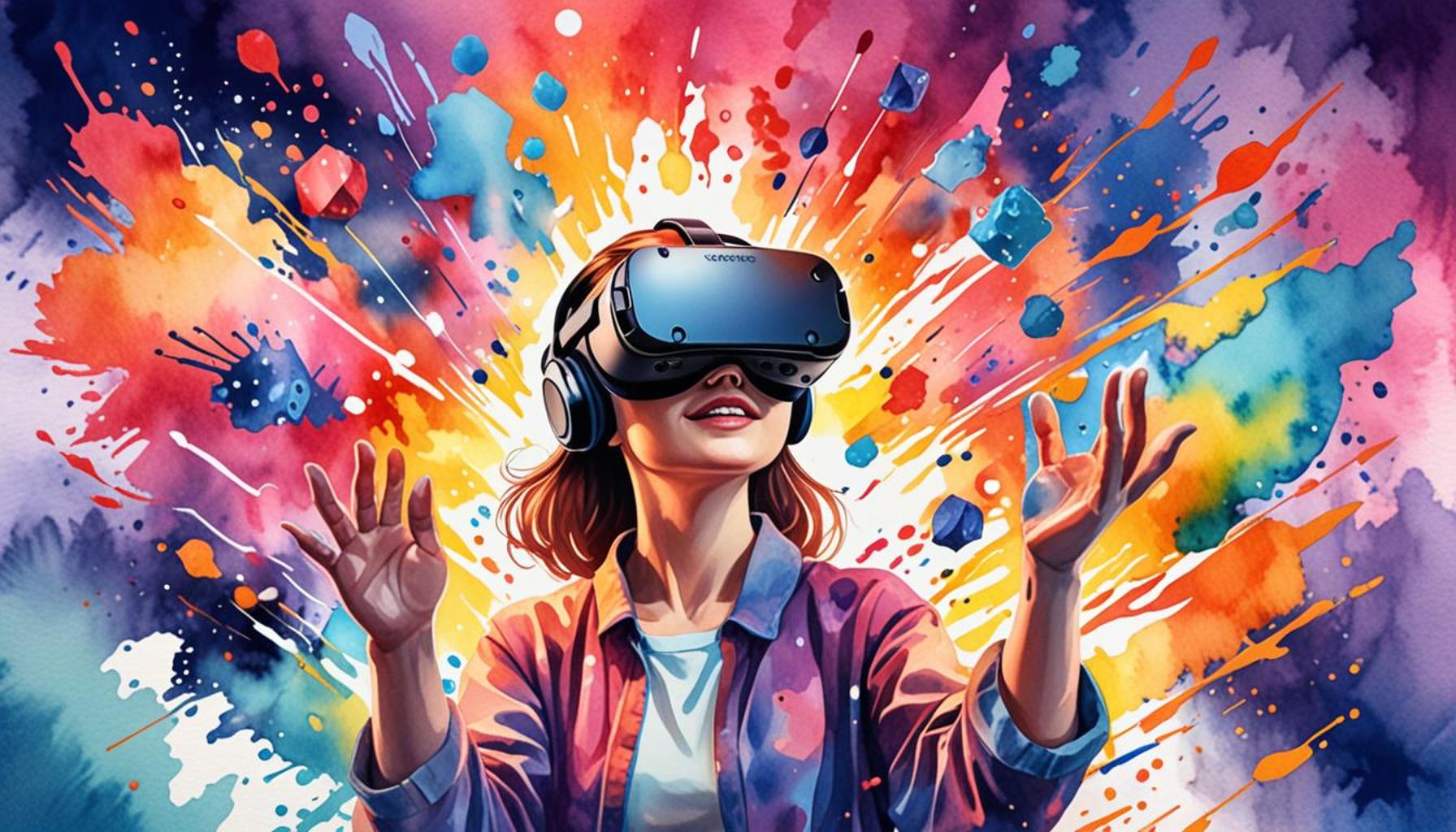
The landscape of education is rapidly evolving, driven by technological advancements. One of the most significant innovations in recent years is virtual reality (VR), which offers students a unique and immersive way to acquire new skills. By simulating real-world environments, VR transforms traditional learning into an engaging experience that caters to self-directed learners.
This technological leap not only enhances engagement but also redefines how skill acquisition is approached across various fields. For instance, the use of VR in medical training has produced compelling results. A study found that medical students who trained using VR simulations demonstrated a remarkable improvement in their ability to perform surgical procedures compared to those who trained with textbooks or videos. This showcases how realistic simulations provide a risk-free environment for trainees to practice complex procedures, allowing them to hone their skills before encountering real-life situations.
Enhancing Engagement and Retention
Another significant aspect of VR in education is its ability to capture and maintain learner engagement. Traditional educational methods often struggle with keeping students focused, but VR’s immersive nature creates an interactive space where students actively participate in their learning journeys. For example, a history class using VR can transport students to ancient Rome, allowing them to explore the ruins and experience the past firsthand. This not only makes learning enjoyable but also significantly enhances information retention; students are more likely to remember what they experienced viscerally than what they read from a textbook.
Flexibility and Accessibility
Moreover, VR education platforms offer remarkable flexibility. Students can access VR courses at their convenience, making it easier for those with busy schedules to engage with their studies. For instance, professional development programs can now include VR modules that allow employees to learn new skills at their own pace—from anywhere—be it at home, in transit, or during breaks at work. This adaptability caters to the growing need for lifelong learning opportunities in a fast-paced world.
Embracing VR technology is not merely a trend; it’s a pathway to revolutionizing education and skill acquisition. The potential of immersive learning experiences is vast. In various fields—engineering, architecture, and even soft skills like communication—VR is helping learners develop in ways that were previously unimaginable. The next frontier in education might just be a headset away, hinting at a future where learning is as dynamic and engaging as the world around us. As educational institutions and businesses continue to explore and integrate these innovations, the possibilities are more exciting than ever.
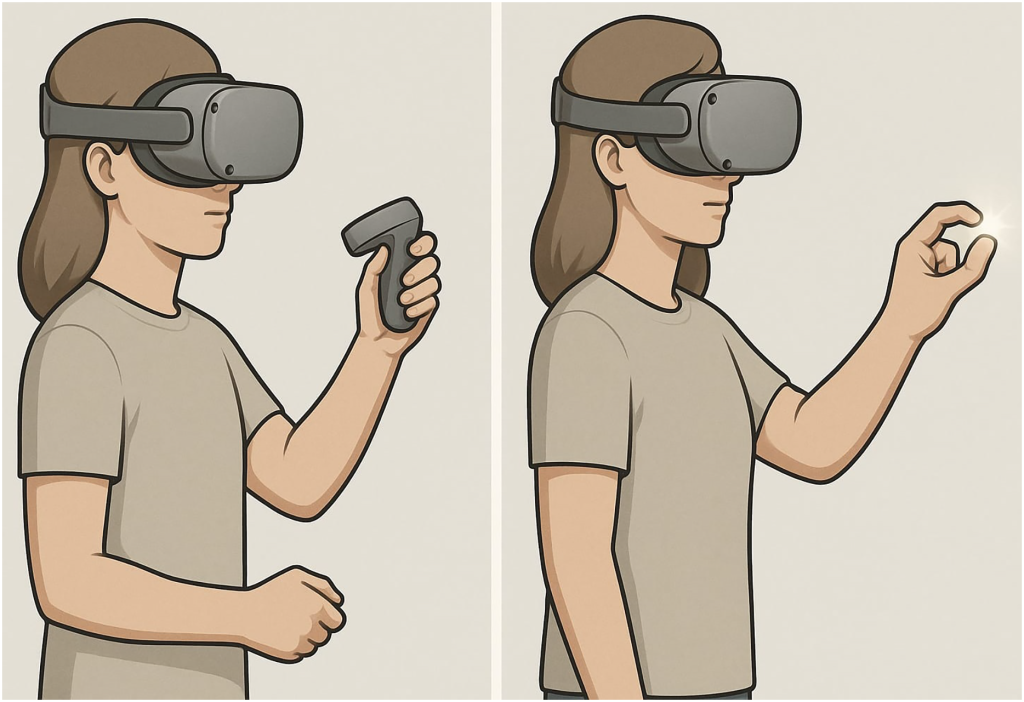
Ultimately, understanding how to effectively blend VR into self-directed learning models is essential for educators, trainers, and students alike. As we look forward, it will be critical to stay abreast of these developments and assess their impact on traditional education structures, ensuring that we can harness the full power of this technology for the benefit of all learners.
DISCOVER MORE: Click here to dive deeper
Redefining Skill Acquisition through Immersive Simulation
The application of virtual reality (VR) in educational settings is revolutionizing the way we approach skill acquisition, particularly for self-directed learners who thrive in dynamic and interactive environments. Beyond merely being a trend, VR serves as a medium that immerses learners in practical scenarios, facilitating a deeper understanding of complex subjects through experiential learning. This contrasts sharply with conventional learning methods, where information is often delivered in a one-dimensional format, limiting engagement and retention.
In sectors such as aviation, VR training programs have been shown to significantly enhance pilot performance. Flight simulators allow aspiring pilots to experience a realistic cockpit environment, where they can practice emergency procedures and learn navigation systems without the high stakes of actual flight. According to a study conducted by the National Academy of Sciences, participants who utilized flight simulators reported a 40% improvement in skills retention compared to traditional classroom training. This stark statistic underscores the effectiveness of immersive experiences.
Tailoring Learning Experiences for Individual Needs
One remarkable advantage of utilizing VR in education is its capacity to tailor learning experiences to meet individual needs. Unlike a conventional classroom setting, where one-size-fits-all learning strategies can leave many students disengaged or overwhelmed, VR offers the flexibility to adapt content and pace according to each learner’s preferences. This personalized approach can be particularly beneficial in diverse learning environments. Key attributes include:
- Adaptive Learning Paths: VR systems can provide tailored exercises based on the learner’s progress, enabling them to focus on areas that require more attention.
- Real-Time Feedback: Immersive simulations often include instant feedback on performance, allowing learners to make adjustments and improve their skills efficiently.
- Variety of Learning Styles: From visual and auditory feedback to hands-on practice, VR caters to multiple learning styles, ensuring a more inclusive educational experience.
Additionally, VR technology has democratized access to quality education. Learners in remote areas or those with limited access to specialized training can now engage in immersive courses designed by experts from around the world. This accessibility breaks down geographical barriers and opens the door to opportunities that were once reserved for a select few. For instance, companies like ClassVR and Immerse are expanding their offerings, allowing industries from healthcare to arts to leverage VR for training and development.
Importantly, while VR is positively impacting skill acquisition, its integration into self-directed learning frameworks remains a subject for ongoing exploration. For educators and trainers, understanding how to align VR experiences with curriculum goals is critical for maximizing its benefits. As educational institutions and corporate trainers embrace this technology, it is essential to evaluate how these immersive learning experiences contribute to the overall development of competencies essential for success in today’s rapidly changing workforce.
| Advantage | Description |
|---|---|
| Enhanced Engagement | Virtual reality provides a captivating environment that significantly increases learner engagement. Through interactive scenarios, learners can immerse themselves deeply, leading to better retention of information. |
| Tailored Learning Experiences | With VR technology, education can be customized to fit individual learning preferences and paces. This approach fosters self-directed skill acquisition, enabling learners to explore content relevant to their goals. |
| Practical Skill Application | VR simulations allow learners to practice real-world skills in a safe environment, thus safely honing their abilities prior to real-life application. |
| Instant Feedback and Assessment | Incorporating immediate feedback mechanisms within virtual environments allows learners to quickly understand their strengths and areas needing improvement, promoting continuous development. |
In this evolving landscape of education, utilizing virtual reality not only transforms traditional teaching methods but also fosters innovative self-directed learning opportunities. As learners engage with immersive scenarios, they craft a personal learning journey, experiencing knowledge acquisition like never before. Engaging and interactive virtual experiences break down barriers to skill acquisition, encouraging individuals to explore, experiment, and expand their capabilities in ways previous generations could only dream of. As educational institutions and organizations continue to adopt this technology, the potential for personal and professional growth becomes limitless. Embracing VR as a learning tool has made it clear that the future of education is not just transitioning to virtual spaces—it’s about creating enriching experiences that ignite passion and curiosity among learners.
LEARN MORE: Click here to deepen your understanding
Enhancing Engagement Through Interactive Scenarios
Another transformative aspect of utilizing virtual reality (VR) for immersive learning experiences is its ability to enhance engagement through interactive scenarios that mimic real-world challenges. This creates an environment where self-directed learners can experiment, explore, and fail safely, fostering a sense of autonomy and confidence that is vital for skill acquisition. For instance, medical schools have turned to VR simulations to train students in complex surgical procedures. Through platforms like Osso VR and Touch Surgery, aspiring surgeons can practice techniques repeatedly, honing their skills without the pressure that comes with real patients. Research indicates that students who used VR-led training exhibited a 30% improvement in surgical performance compared to traditional educational methods.
Moreover, the interactive nature of VR enables learners to participate in scenarios that are otherwise inaccessible. For instance, environmental science students can immerse themselves in ecosystems under threat from climate change, allowing them to visualize and understand the impact of their actions. They can observe weather patterns, interact with wildlife, and even simulate conservation efforts, creating a deeper emotional connection to the material. This situational learning fosters empathy and a genuine desire to tackle real-world environmental issues.
Bridging the Gap between Theory and Practice
VR also plays a significant role in bridging the gap between theory and practice, a common challenge in conventional learning. Traditional education often involves a lengthy theoretical framework that may leave students unprepared for practical application. In contrast, VR allows learners to experiment with theoretical concepts in a controlled and engaging manner. A pertinent example is the field of engineering, where students can engage in virtual labs to design and test structures before moving to tangible projects. Programs like SimCityEDU and Hands-On VR empower future engineers to grasp core principles such as force, pressure, and materials science through direct interaction.
This experiential learning approach not only solidifies foundational knowledge but also encourages critical thinking and problem-solving skills. Self-directed learners equipped with the opportunity to participate in real-time simulations become adept at adapting their strategies based on immediate feedback and situational variables, which is invaluable in professional environments.
Evaluating Impact and Evolving Technologies
As VR technology continues to evolve, selecting appropriate metrics to evaluate its impact on learning outcomes remains crucial. Institutions are beginning to utilize analytics tools built into virtual platforms to track learner engagement, skill improvement, and knowledge retention. Data collected can reveal which aspects of the VR experience resonate most with learners, helping educators adapt and enhance their curriculums accordingly. Recent studies show that immersive technologies can lead to a 50% increase in learner engagement levels and a corresponding rise in retention, making a strong case for their integration into self-directed learning frameworks.
Furthermore, collaborations between educational institutions and tech companies are paving the way for next-generation VR resources. Initiatives such as Stanford University’s Virtual Human Interaction Lab and various startups are pushing the boundaries of what immersive learning can achieve. These partnerships aim to develop more sophisticated, user-friendly, and accessible VR applications that address the diverse needs of learners across all skills and industries.
In an era where self-directed learning is increasingly emphasized, leveraging virtual reality for immersive learning experiences is shaping the future of skill acquisition. As technology advances, the potential for VR to redefine educational paradigms becomes clearer, opening exciting possibilities for learners of all backgrounds.
DIVE DEEPER: Click here to discover more
Conclusion: The Future of Learning with Virtual Reality
As we have explored, utilizing virtual reality (VR) for immersive learning experiences is revolutionizing the landscape of self-directed skill acquisition. By offering unparalleled engagement through realistic, interactive scenarios, VR not only bridges the gap between theoretical knowledge and practical application but also fosters an environment conducive to experimentation and innovation. The evidence, including significant improvements in performance metrics among learners, clearly indicates that VR enhances both retention and participation levels, making it a powerful tool for educators and learners alike.
Moreover, as educational institutions become increasingly aware of the diverse needs of today’s students, collaborations with technology companies promise to enhance the accessibility and sophistication of VR applications. The potential for these applications to adapt to various disciplines—from healthcare to engineering—highlights the versatility of VR as a transformative educational resource.
Looking ahead, the integration of VR into self-directed learning frameworks is poised to become a norm rather than an exception. As further advancements in VR technology occur, we can anticipate more innovative ways to engage learners and empower them to develop essential skills throughout their lives. For educators, the challenge lies in harnessing this technology thoughtfully and effectively, ensuring it enhances educational outcomes and meets the evolving demands of the workforce. In this exciting new era, the time is ripe for institutions to invest in and fully embrace virtual reality as a cornerstone of immersive learning experiences, ultimately shaping skilled professionals for the future.